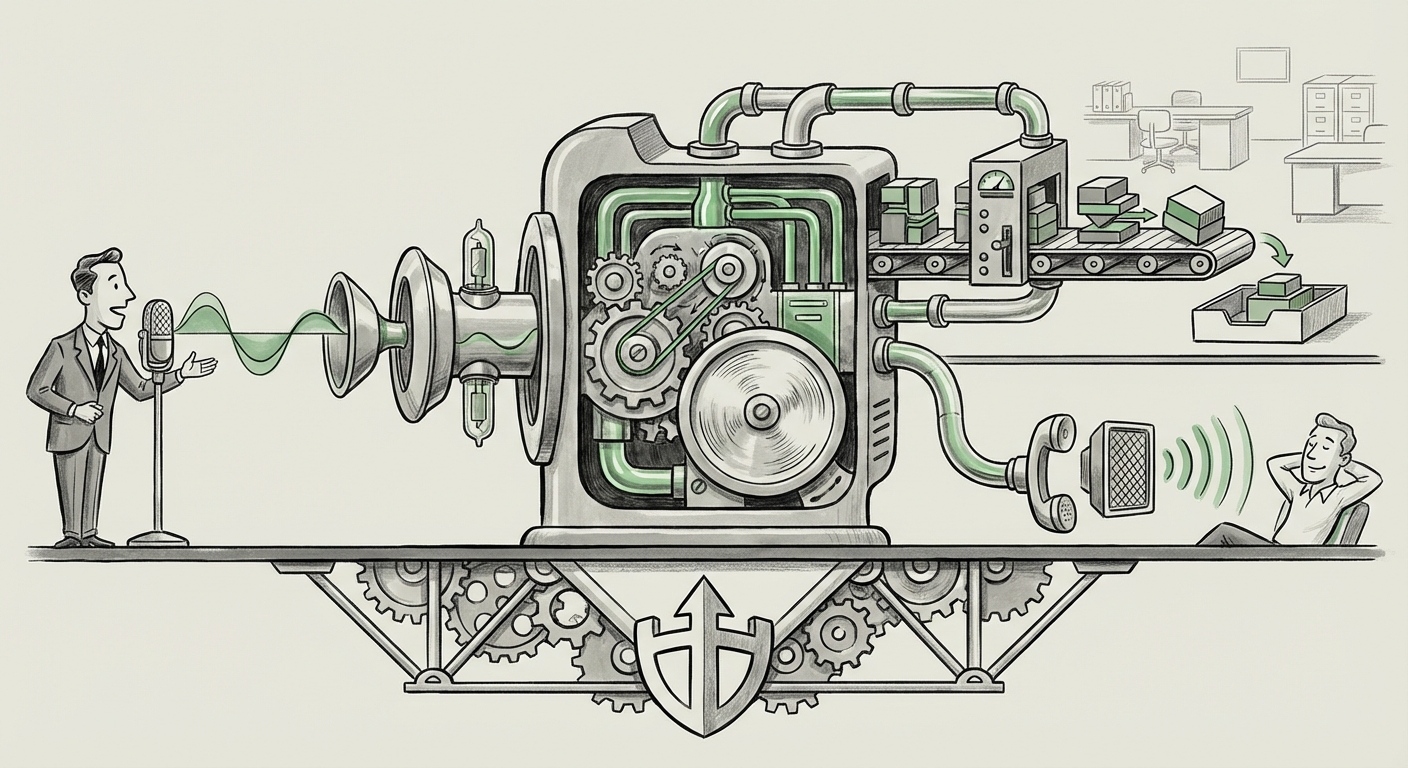
OpenAI Robots: From Infrastructure Machines to Personal Assistants for Everyone
Artificial intelligence has already changed how we write, code, and create images. But the next frontier is physical. OpenAI, the company behind ChatGPT and DALL·E, is now moving into robotics with a clear two-step plan: start with infrastructure robots that handle heavy industrial work, and then bring personal robots into every home and office. This article explores what this shift means for the future of AI and how it will be used in everyday life.
The Big Picture: OpenAI Steps Into the Physical World
Until now, most advanced AI has lived inside computer screens. It answers questions, generates text, and recognizes faces. But the real world is messy, unpredictable, and full of objects that need to be picked up, moved, and manipulated. OpenAI’s new robot initiative represents a major step beyond digital AI into physical AI.
The company starts with infrastructure robots. These are large, specialized machines designed for tasks like moving cargo, maintaining power lines, or cleaning industrial floors. Think of them as the first wave of AI that can actually change the physical environment. They are not meant to replace humans in every job, but to take over the most repetitive, dangerous, or physically demanding tasks.
But OpenAI’s ultimate goal goes much further. The stated long-term aim is “everyone having a personal robot doing anything they need.” That vision is enormous. It means a future where a robot in your home can cook dinner, fold laundry, fix a leaky pipe, or help an elderly family member get out of bed. It means a robot assistant that adapts to your specific household, learns your preferences, and handles chores you don’t want to do.
Why Start with Infrastructure Robots?
There are several smart reasons OpenAI is beginning with industrial-grade machines rather than immediately selling a “robot butler.” First, infrastructure robots solve clear, high-value problems. Factories, warehouses, and utility companies already spend billions on automation. If a robot can reliably stack pallets or inspect solar panels, the return on investment is immediate and measurable.
Second, industrial environments are more controlled than homes. Floors are flat, lighting is consistent, and tasks are repetitive. This makes it easier to train and test robots without the chaos of a kitchen counter covered in dishes or a living room with toys scattered everywhere. Starting with simpler conditions allows the AI to learn and improve safely.
Third, infrastructure robots generate massive amounts of real-world data. Every time a robot picks up a box, opens a valve, or navigates a corridor, it sends data back to the AI models. This data is gold for training the next generation of robots. The more diverse and challenging the tasks, the smarter the underlying AI becomes. This is exactly what OpenAI needs to eventually build a reliable personal robot that can handle the unpredictable nature of a home.
Finally, starting with infrastructure robots builds trust. Companies that successfully deploy industrial robots become success stories. These stories show that robots can work safely alongside humans, reduce costs, and improve productivity. That trust is essential before consumers will feel comfortable letting a robot into their own homes.
What Does “Personal Robot Doing Anything They Need” Actually Mean?
The phrase “doing anything they need” is intentionally broad, but it points to a universal assistant. Imagine asking your robot to “make dinner” and it understands not just the recipe, but also which ingredients you have, your dietary restrictions, and how to operate your stove and microwave. Then imagine it cleans up afterwards.
This kind of robot must combine several AI capabilities that, today, are still mostly separate:
- Natural language understanding: The robot needs to understand spoken commands, even when they are vague or incomplete.
- Computer vision: It must recognize objects, people, and spaces, even when the scene changes.
- Manipulation skills: It must grasp, hold, and use tools and objects that vary in shape, size, and fragility.
- Navigation and planning: It must move through your home without bumping into furniture, and plan a sequence of actions to complete a multi-step task.
- Safety and common sense: It must never harm people or pets, and it must handle unexpected situations, like a child running in front of it.
OpenAI’s existing AI models, like GPT-4 and DALL·E, already excel at language and vision. The missing pieces are physical dexterity and real-world common sense. Infrastructure robots are the perfect training ground for those missing pieces.
What This Means for the Future of AI
The shift to robotics marks a turning point in the AI industry. For years, the biggest advances have been in digital intelligence: better chatbots, more accurate image generators, and more powerful code assistants. These tools are incredibly useful, but they cannot directly change the physical world. Robotics changes that.
Here are three key trends that OpenAI’s robot plan signals:
1. AI becomes embodied. The most interesting AI research in the coming decade will be about bridging the gap between thinking and doing. An AI that only answers questions is limited. An AI that can act on its answers is transformative. OpenAI’s move is a bet that embodied AI—intelligence that can interact with the physical world—will be the next big wave.
2. Data from the real world becomes the new gold. Training large language models requires billions of words scraped from the internet. Training a general-purpose robot requires billions of physical interactions: picking up objects, opening doors, pouring liquids. Infrastructure robots will generate this data at scale. Companies that can collect high-quality physical interaction data will hold a massive advantage.
3. The line between digital and physical assistants blurs. Today you might ask Alexa to play music or Siri to set a timer. Tomorrow you might ask a robot to clean the kitchen or walk the dog. The same AI that powers your chat interface will also power the machine that tidies your home. This means your personal AI assistant will not just be a voice in a speaker; it will be a physical presence that can help you in tangible ways.
Practical Implications for Businesses
For companies across many industries, the arrival of OpenAI’s infrastructure robots is both an opportunity and a challenge.
Manufacturing and logistics will be the first to feel the impact. Warehouses that adopt these robots can operate 24/7, reduce workplace injuries, and lower labor costs. However, workers will need to learn new skills, like monitoring robot fleets and handling exceptions when robots get stuck or confused. The job of a warehouse operator will shift from lifting boxes to managing systems.
Construction, utilities, and maintenance will see robots take over inspections, repairs, and material transport. Robots that can climb stairs, navigate rough terrain, and use tools will become valuable assets on job sites. Businesses that invest early in robot integration will gain a competitive edge through higher efficiency and safety.
Retail and hospitality might seem farther from the infrastructure robot focus, but the data and AI improvements from industrial robots will eventually apply to service robots. A robot that learns to stock shelves in a warehouse can later learn to restock a store. A robot that learns to clean a factory floor can later clean a hotel lobby. The trajectory is clear: once the underlying AI is good enough, it will move into almost every commercial setting.
Small businesses should start thinking now about how they might use personal robots later. A small restaurant might hire a robot to wash dishes or prep ingredients. A local gym might use a robot to clean equipment. The cost of these robots will start high, but as with all technology, prices will drop as production scales. Being ready to adopt robots early could be a major differentiator.
Practical Implications for Society
The societal impact of affordable personal robots could be as large as the impact of smartphones or the internet.
Elderly care and disability support is one of the most promising applications. Many older adults want to live independently in their own homes, but they need help with tasks like cleaning, cooking, and dressing. A personal robot could provide that assistance without requiring a human caregiver to be present all the time. This could reduce pressure on healthcare systems and improve quality of life for millions of people.
Household work and gender equality is another area where robots could make a difference. Unpaid domestic work still falls disproportionately on women in many parts of the world. A robot that handles cleaning, laundry, and meal preparation could free up time for education, work, and leisure. This is not a substitute for social change, but it is a tool that can help.
Job displacement and reskilling remain serious concerns. The same robots that create new opportunities will also eliminate some jobs. Truck drivers, warehouse pickers, cleaners, and assembly line workers may find their roles reduced or changed. Governments, educators, and companies must invest in reskilling programs to help people move into robot-related roles like maintenance, programming, and supervision.
Privacy and security will become even more critical when robots are inside homes. A robot with cameras, microphones, and the ability to move around will collect vast amounts of personal data. Who owns that data? How is it secured? Can it be hacked? These questions need clear legal and technical answers before widespread adoption can happen. OpenAI’s reputation for responsible AI development will be tested as it moves into physical spaces.
Actionable Insights for Today
Even though personal robots are not yet at your doorstep, there are practical steps you can take now to prepare for this future.
For business leaders: Start exploring where robotics could fit into your operations. Look for repetitive, physically demanding, or dangerous tasks that are currently done by people. These are the prime candidates for early robot deployment. Even if you do not buy a robot tomorrow, understanding the possibilities will help you plan. Talk to vendors, read case studies, and consider a small pilot project.
For technology professionals: Build skills in AI, computer vision, and robotics engineering. The demand for people who can design, train, maintain, and improve physical AI systems will grow rapidly. Learning how to work with robot operating systems, simulation tools, and sensor integration will be valuable. Also, get comfortable with concepts like reinforcement learning and transfer learning, which are key to training robots.
For educators and policymakers: Update curricula to include robotics and AI literacy. Schools should teach not just coding, but also how to interact with and manage intelligent machines. Policy frameworks for robot safety, data privacy, and liability need to be developed now, before the technology outpaces the law. Engage with companies like OpenAI to understand their roadmaps and contribute to standards.
For everyone: Pay attention to the progress of infrastructure robots. They are the canary in the coal mine for personal robotics. When you see a story about a new robot deployment at a port or a factory, consider that the same technology is being refined for eventual home use. Start thinking about what tasks you would most like a robot to help with, and what boundaries you would want to set for its behavior and data collection.
Conclusion: The Road to a Robot in Every Home
OpenAI is taking a measured, strategic approach to robotics. By beginning with infrastructure robots that solve clear industrial problems, the company can develop the hardware, software, and safety protocols needed for the much harder task of building personal robots. The vision of “everyone having a personal robot doing anything they need” is still years away, but the path is being laid now.
For businesses, this means an opportunity to automate physically demanding work and gain efficiency. For society, it means both hope for better care and independence, and challenges around jobs, privacy, and equity. For the future of AI, it means intelligence that no longer just thinks, but acts. The era of embodied AI is beginning, and OpenAI is at the forefront.
The robots are coming. They will start in factories and warehouses, but they will end up in your living room. How we prepare for that transition will determine whether this technology becomes a burden or a blessing.