Perplexity's Hybrid AI System: The Smart Future of Local vs. Cloud Processing
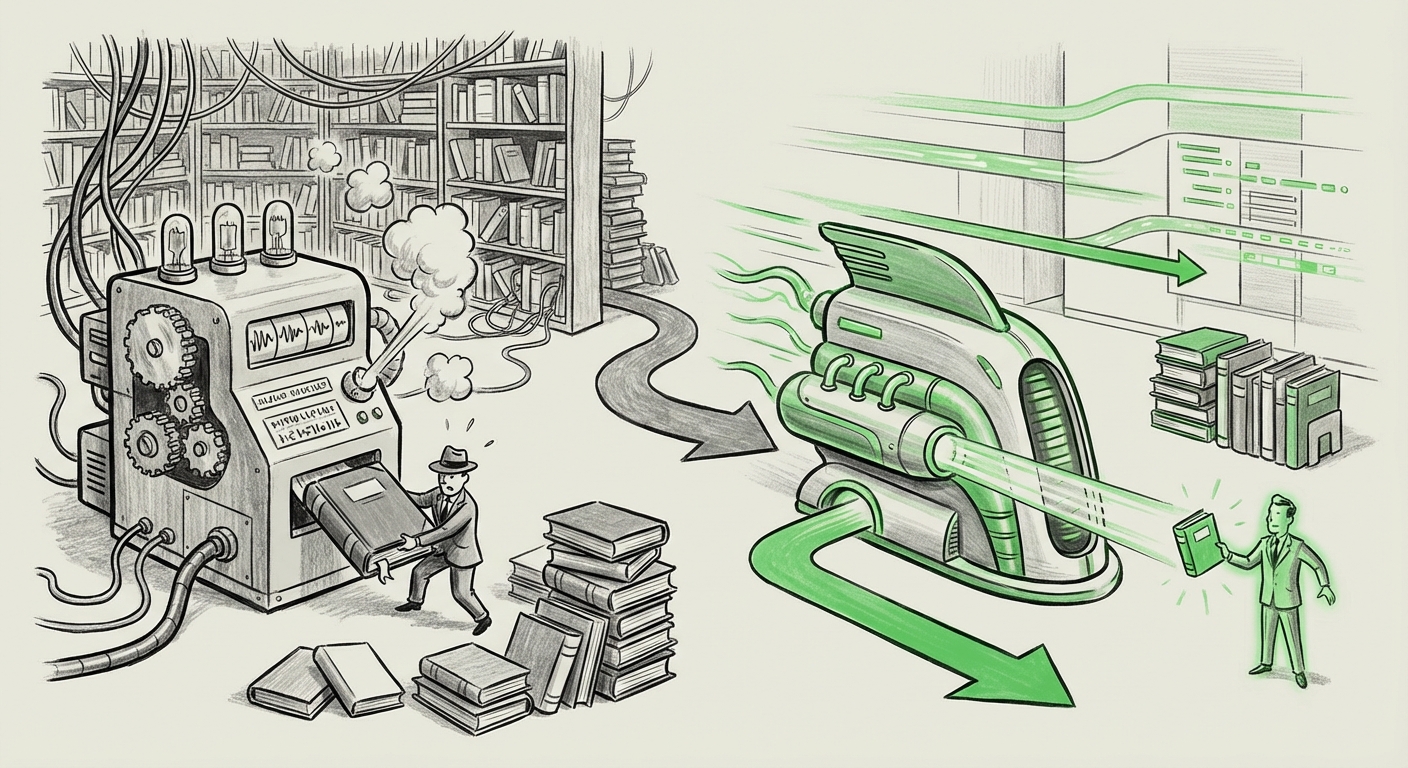
On June 3, 2026, Perplexity announced a hybrid AI system that decides what runs locally or in the cloud. This isn't just another update — it's a glimpse into how artificial intelligence will work from now on. Instead of forcing every task either onto your device or into a distant server, this system chooses the best path automatically. The result? Faster responses, lower costs, better privacy, and a smarter use of computing power.
For anyone who uses AI — whether you're a developer building apps, a business owner trying to cut cloud bills, or just someone who chats with an AI assistant daily — this change matters. Let's break down what Perplexity announced, why it's a big deal, and what it means for the future of AI.
What Perplexity Actually Announced
Perplexity, known for its AI-powered search engine, revealed a new hybrid AI system that can run some parts of a task on your local device and other parts in the cloud — all without you having to think about it. The system itself decides where each piece of work is best handled.
This is different from the older model where either everything runs locally (which limits power) or everything runs in the cloud (which costs money and requires internet). Perplexity's approach is flexible: simple, quick tasks might stay on your phone or laptop, while heavy lifting — like searching massive databases or running complex reasoning — gets sent to the cloud.
The key word here is "decides." The system makes a smart, real-time choice based on what you're asking, the capabilities of your device, network conditions, and even cost factors. It's not a static split — it adapts moment by moment.
Why This Matters: The Three Big Problems It Solves
To understand why this hybrid system is important, you need to see the problems that older AI setups face. There are three big headaches:
1. Privacy and Security
When every AI query goes to the cloud, your data — sometimes sensitive — leaves your device. For personal chats, business documents, or medical questions, that's a risk. Running more locally means less data travels over the internet, and that's a huge win for privacy. Perplexity's hybrid system can keep private tasks on your device and only send anonymized or non-sensitive parts to the cloud.
2. Speed and Latency
Cloud AI requires a round trip: your question goes up, the cloud processes it, and the answer comes back. That takes time — sometimes just a second, but that pause adds up. For tasks that need instant answers (think of a voice assistant or a real-time translator), local processing is much faster. The hybrid system uses local power for speed when it can, and only goes to the cloud when the job demands more muscle.
3. Cost and Energy
Cloud computing costs money — both for the company providing the AI and for the user if there's a subscription. Running everything in the cloud burns through compute credits and electricity. By processing routine or lightweight tasks locally, Perplexity's system saves on cloud costs and reduces overall energy consumption. That's good for your wallet and for the planet.
How the Hybrid System Actually Works
While Perplexity didn't release every technical detail, the core idea is clear: the system uses a kind of "traffic cop" that looks at each request and decides where to send it. This decision engine considers several factors:
- Task complexity: A simple yes/no question might stay local. A request to summarize a research paper might go to the cloud.
- Device capability: A high-end laptop with a good GPU can handle more locally than an older phone.
- Network quality: On fast Wi-Fi, cloud might be fine. On a slow connection, local processing becomes more attractive.
- Data sensitivity: If the task involves personal or confidential information, the system might prefer local processing.
- Cost optimization: The system can even factor in the cost of cloud compute and choose the most economical path.
This is not a simple "if-then" rule set. It's likely a trained model that has learned from millions of real queries what works best in different situations. The result is a smooth, invisible experience where the user just gets answers quickly and privately, without ever needing to know where the processing happened.
What This Means for the Future of AI
Perplexity's hybrid system isn't just a product update — it's a signal of where the entire AI industry is heading. Here are the big trends this announcement confirms:
AI Will Become More Distributed
For years, the trend was "move everything to the cloud." Now, with better hardware on phones and laptops, and with privacy concerns rising, the pendulum is swinging back. The future is not all-cloud or all-local — it's smart distribution. AI will run wherever it makes the most sense at that moment.
Privacy Will Be a Competitive Advantage
Companies that can keep user data on-device while still delivering powerful AI will win trust. Perplexity is positioning itself as a privacy-conscious option by building hybrid intelligence. Expect competitors to follow quickly.
Cost Optimization Will Drive Adoption
Businesses running AI at scale know how fast cloud bills add up. A hybrid approach that offloads routine work to local devices can cut costs dramatically. This makes advanced AI accessible to smaller companies that couldn't afford all-cloud setups.
Real-Time Applications Will Get Faster
Voice assistants, live translation, augmented reality, and autonomous systems all need split-second responses. Hybrid AI reduces latency by handling time-sensitive parts locally. This unlocks applications that were previously too slow to be practical.
Practical Implications for Businesses and Society
Let's get specific. What does this mean for you — whether you're a business owner, a developer, or just someone who uses AI?
For Businesses
Lower operational costs. By processing routine queries locally, businesses can reduce their cloud compute spend. For customer service chatbots, internal AI tools, or data analysis, this adds up to significant savings.
Better data compliance. With privacy regulations like GDPR getting stricter, keeping sensitive data on-device simplifies compliance. A hybrid system can ensure that personal information never leaves the user's machine.
Faster customer experiences. When AI responds instantly (because it's running locally), customer satisfaction goes up. Slow AI responses are a pain point; hybrid systems eliminate that friction.
For Developers
Building AI apps will become more nuanced. Instead of just calling a cloud API, developers will need to think about where each part of the work should run. Perplexity's system takes some of that thinking out of your hands, but understanding the hybrid architecture will be essential. Expect tools and frameworks to emerge that make hybrid development easier.
For Society
Digital equity matters. Not everyone has a high-end device or fast internet. A hybrid system that adapts to the user's hardware means AI can work better on older phones and in areas with poor connectivity. This could help close the digital divide.
Energy consumption. AI is energy-hungry, especially when running in massive cloud data centers. Shifting simpler tasks to local devices — which are often more energy-efficient for small jobs — can reduce the overall carbon footprint of AI.
Trust and control. When AI processing happens on your device, you feel more in control. You're not just sending your questions into a black box. This trust is crucial for widespread AI adoption.
Actionable Insights: What You Should Do Now
Perplexity's announcement is a wake-up call. Here's how to prepare for the hybrid AI future:
- Evaluate your current AI usage: Are you running everything in the cloud? Could some tasks be handled locally? Even simple changes can save money and improve speed.
- Watch for developer tools: As hybrid AI becomes more common, expect APIs and SDKs that help you build apps that automatically choose between local and cloud processing.
- Prioritize privacy: If you handle sensitive data, hybrid AI offers a way to deliver powerful features without exposing that data. Start planning how you could use on-device processing.
- Test Perplexity's system: If you're a Perplexity user, try the hybrid system and see how it feels. Faster responses and better privacy are immediate benefits.
- Consider device upgrades: Hybrid AI works best when devices have capable processors. If you're buying new hardware, consider ones with good AI acceleration (like neural processing units).
The Big Picture: Where AI Is Heading
Perplexity's hybrid system is part of a larger shift. We're moving from a world where AI is either fully cloud-based or fully local to one where intelligence is fluid and adaptive. The system itself decides where the work gets done, based on what's best for the user at that moment.
This is similar to how the internet evolved. Early websites were simple and everything ran on servers. Then came "progressive web apps" that cached data locally. Then came edge computing. Now AI is following the same path — toward a hybrid, distributed model that combines the best of both worlds.
The companies that embrace this hybrid philosophy will offer faster, cheaper, and more private AI. The ones that stay locked into a pure cloud model may find themselves at a disadvantage — especially as users become more privacy-aware and as device hardware continues to improve.
Conclusion: A Smarter Way to Run AI
Perplexity's announcement of a hybrid AI system that decides what runs locally or in the cloud is more than a feature — it's a new philosophy for AI architecture. By letting the system itself choose the best processing path, Perplexity is solving the core trade-offs that have plagued AI since the beginning: speed vs. power, privacy vs. capability, cost vs. quality.
For users, this means AI that's faster, more private, and more affordable. For businesses, it means lower costs and better compliance. For society, it means AI that works on more devices and uses less energy.
The hybrid approach is not just a nice idea — it's the logical next step for artificial intelligence. And with Perplexity leading the way, expect every major AI provider to follow. The era of one-size-fits-all cloud AI is ending. The era of smart, adaptive, hybrid AI is just beginning.