Who Really Controls the AI Stack? The Battle for the Layers and What It Means for the Future
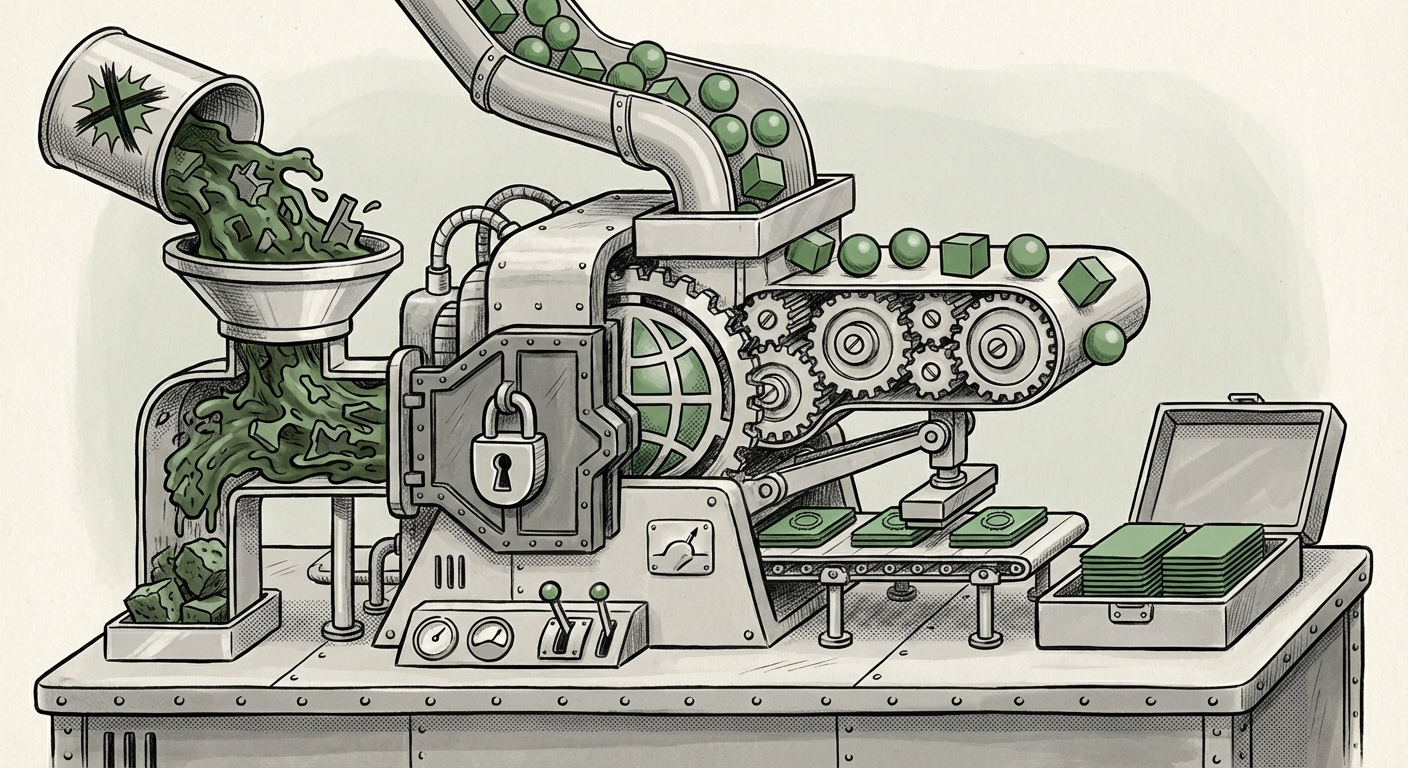
The artificial intelligence industry is often described as a layer cake. At the bottom sits the hardware—chips and cloud infrastructure. In the middle sits the platform layer—the large models and APIs that developers call upon. At the top sits the application layer—the user‑facing products like chatbots, coding assistants, and enterprise tools. Each layer is a battleground where powerful players fight for control. But as The Sequence recently argued in its opinion piece “The Cake Is a Battlefield”, the real question isn’t who wins a single layer—it’s who can seize the entire stack.
Understanding that fight is essential for anyone building a business around AI, investing in the space, or simply trying to make sense of where the technology is headed. Let’s break down the dynamics at each level and explore what they mean for the future of AI and how it will actually be used.
The Three Layers of the AI Cake
1. The Infrastructure Layer: Chips and Clouds
This is the foundation. Without powerful GPUs and TPUs, no modern AI model can be trained or deployed. The infrastructure layer includes hardware manufacturers (like Nvidia), cloud providers (Amazon Web Services, Microsoft Azure, Google Cloud), and data center operators. Control here means control over capacity and cost. If you own the most efficient chips, you decide who can afford to train frontier models. If you own the cloud, you decide how easily a startup can spin up a cluster.
The battle in this layer is becoming more intense. Traditional players are trying to lock in customers with proprietary hardware and software stacks, while newcomers aim to offer cheaper, open‑alternatives. The result is a fragmented landscape where the cost of compute can swing dramatically depending on which provider you choose and whether you commit to a long‑term contract.
2. The Platform Layer: Models and APIs
This is the layer most people associate with “AI.” Companies like OpenAI, Anthropic, Google DeepMind, and Meta build large language models (LLMs) and offer them via subscription or API. The platform layer is where the intelligence lives. Whoever controls the best model can set the terms for everyone else who wants to build applications on top of it.
The competition here is fierce. Some platform players keep their models closed, charging per token or per seat. Others open‑source their models to gain adoption and then sell complementary services. The strategic question is whether the value will concentrate in the model itself or in the ecosystem around it (like fine‑tuning tools, evaluation suites, and data pipelines). If models become commodities, the power shifts upward. If models remain unique and powerful, the platform layer becomes the most profitable and controlling part of the cake.
3. The Application Layer: User‑Facing Products
This is where end users actually interact with AI. Think of ChatGPT, GitHub Copilot, Midjourney, Notion AI, and thousands of vertical‑specific tools. Application builders rely on models from the platform layer but they own the user experience, the data, and the brand. The winner in this layer is the company that solves a real problem better than anyone else—and that often means integration rather than raw model quality.
Application companies face a dilemma: if they become too dependent on one model provider, they risk being cut off or out‑competed by that provider launching a competing app. That’s why many are building multi‑model strategies or even fine‑tuning open models to gain more control.
The Big Shift: Vertical Integration
The most consequential trend in today’s AI industry is the push toward vertical integration. Companies that once focused on one layer are expanding into others. For example, cloud providers are now building their own foundation models. Model companies are launching their own consumer apps. Hardware companies are developing software stacks that make it easier to run models on their chips. This blurs the lines between layers and creates powerful “moats” that are hard for newcomers to cross.
The Sequence opinion highlights that this “cake battlefield” is not a static picture. Each player is trying to capture value at multiple points. Amazon wants to own the cloud, the model, and the enterprise applications. Microsoft is doing the same with its Azure platform and Copilot suite. Google has its own stack from TPU hardware to Gemini models to its popular workplace tools. Even Nvidia is moving upward with its CUDA ecosystem and turnkey AI software—essentially trying to control the platform layer from the bottom.
Vertical integration can create efficiency—a fully integrated stack can deliver lower latency, tighter security, and better user experiences. But it also raises serious concerns about monopoly power and lock‑in. If one company controls the chips, the model, and the app, it can dictate terms to everyone else. Competitors may find themselves unable to innovate without permission.
What This Means for the Future of AI
Businesses Will Face Hard Strategic Choices
Companies that want to use AI need to decide how much of the stack they want to own. Building your own model from scratch is expensive and requires rare talent. Relying entirely on a single platform provider makes you vulnerable to price hikes or abrupt policy changes. The smartest approach may be to invest in the middle layer—fine‑tuning open models and building proprietary data pipelines—while keeping an eye on which layer is becoming commoditized.
For most businesses, the application layer is where they can differentiate. That means focusing on unique data, user experience, and domain expertise rather than trying to compete on raw model performance. The companies that will thrive are those that build strong relationships with multiple model providers and maintain the flexibility to switch as the landscape shifts.
Societal Implications: Power Concentration
The battle for the AI stack is not just a business story—it has huge implications for society. If control of the stack concentrates in a handful of giant tech companies, they will hold immense power over how AI is developed, who can access it, and what values it embodies. This could widen the gap between the “AI‑rich” and “AI‑poor” countries and communities, and create single points of failure for critical infrastructure.
Regulators are starting to take notice. The European Union’s AI Act, the U.S. executive orders, and various antitrust actions are all aimed at preventing the worst outcomes. However, regulation is slow, and the technology moves fast. The outcome of the cake battlefield will shape not only the AI market but also the balance of power in the digital economy for decades.
Innovation May Slow—or Accelerate
Vertical integration can lead to faster, more polished products because the layers are tightly coordinated. But it can also stifle innovation by locking out smaller players who don’t have access to the full stack. Open‑source models like Llama and Mistral offer an alternative path—they allow anyone to build applications without asking for permission. The future of AI may be determined by whether open models can keep up with closed ones in quality and capability.
If open models continue to improve, the platform layer could become more competitive, which would benefit application builders. If closed models remain far ahead, the platform layer will become the most valuable and controlling part of the cake—and the companies that own those models will effectively own the AI industry.
Actionable Insights
- Diversify your AI suppliers. Don’t bet the farm on a single model or cloud provider. Design your system to be cloud‑agnostic and model‑agnostic wherever possible.
- Invest in your own data and fine‑tuning. That’s where defensible value lives, because your data is unique to your business.
- Watch for vertical moves. If your cloud provider starts releasing a competing product in your space, you need a backup plan.
- Stay informed about open‑source advances. They could suddenly tilt the balance of power, making the stack more accessible.
- Engage with policymakers. The future shape of the AI stack will be partly determined by regulation. Make your voice heard about what kind of competition and openness you need.
Conclusion: The Cake Is Not Yet Baked
The metaphor of the cake as a battlefield captures the intensity and fluidity of the AI industry today. No company has yet achieved full vertical dominance, and cracks appear constantly. A new hardware startup might break Nvidia’s grip. An open‑source model might match GPT‑level quality. An application company might become so popular that it can demand better terms from model providers.
What is clear is that the choices made now—by CEOs, engineers, investors, and regulators—will determine who controls the AI stack of tomorrow. The cake is far from settled. And for those paying attention, there are still plenty of opportunities to claim a slice.