OpenAI Says "Entirely Automating Everything Is Not the Future We Want" – What This Means for AI
On June 9, 2026, in a statement that has caught the attention of technologists, business leaders, and policymakers alike, OpenAI declared that "entirely automating everything is not the future we want." This is not just a throwaway line. It is a significant pivot in the narrative around artificial intelligence and its role in society.
For years, the dominant vision of AI has been one of total automation: machines taking over all human tasks, from driving trucks to writing code to managing entire companies. That vision, pushed by many in Silicon Valley, has sparked both excitement and fear. Now, OpenAI – one of the most important AI labs in the world – is publicly stepping away from that idea.
In this article, we unpack what this statement really means. We explore why OpenAI is making this claim, what it signals about the future of AI technology, and what businesses and society should do in response.
The Statement That Changed the Conversation
When an organization like OpenAI says "entirely automating everything is not the future we want," it is worth paying attention. OpenAI is the company behind some of the most powerful AI systems in existence. If anyone had the ability to push toward full automation, it would be them. But they are choosing not to.
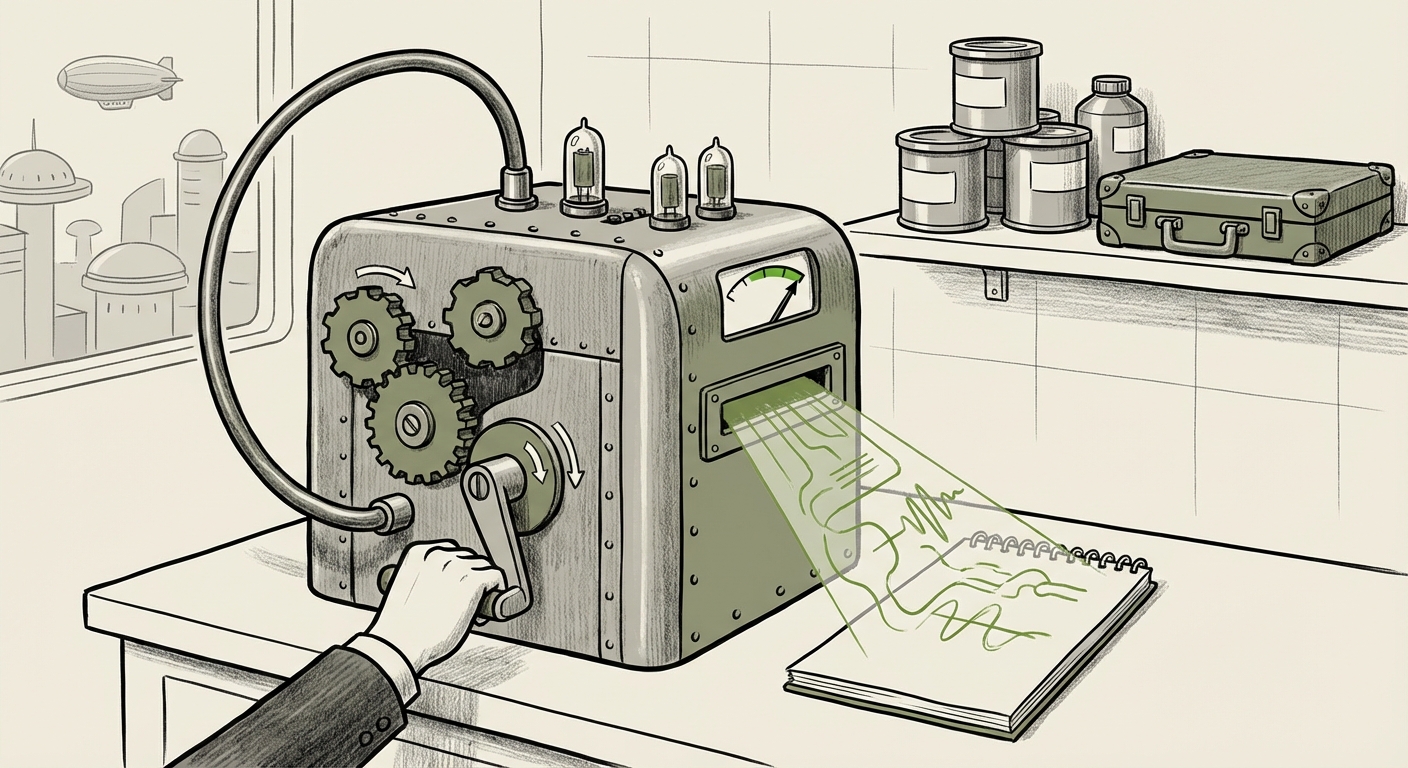
The statement suggests a fundamental rethink of what AI is for. Instead of building tools that replace humans entirely, OpenAI appears to be advocating for a future where AI works alongside people – augmenting human abilities rather than eliminating them.
This is a major course correction from the "AI will take all our jobs" narrative that has dominated headlines for years.
Why OpenAI Is Saying This Now
There are several likely reasons why OpenAI is making this statement at this particular moment.
A Growing Awareness of the Downsides of Total Automation
Total automation sounds efficient on paper. But in practice, it creates massive problems: mass unemployment, loss of human skills, and a society that becomes brittle and dependent on complex systems that can fail in unexpected ways. OpenAI seems to be acknowledging these risks.
Regulatory and Public Pressure
Governments around the world are beginning to regulate AI more strictly. By publicly rejecting the idea of total automation, OpenAI positions itself as a responsible actor. This could help shape future regulations in a way that is more favorable to the company's long-term goals.
A Shift in AI Research Priorities
OpenAI's research has always been about building safe and beneficial artificial general intelligence (AGI). Saying that total automation is not the goal clarifies what "beneficial" means. It means AI that helps people, not AI that replaces them.
What This Means for the Future of AI
This statement has deep implications for where AI technology is heading. Let's look at the key trends.
From Automation to Augmentation
The biggest shift is likely to be from automation (machines doing things instead of humans) to augmentation (machines helping humans do things better). This is already happening in fields like medicine, where AI helps doctors diagnose diseases but does not replace them. In law, AI helps lawyers review documents but does not argue cases alone. In software development, AI helps coders write and debug code but does not build entire applications from scratch without human input.
OpenAI's statement suggests this trend will accelerate. The goal is not to build an AI that runs a company on its own, but an AI that helps humans run companies better.
Focus on Human-Centered AI Design
If total automation is off the table, then AI systems need to be designed with humans in the loop. That means better interfaces, more transparency, and tools that give people control over what the AI does. It also means prioritizing explainability – making sure people understand why an AI made a particular decision.
This will likely lead to new kinds of AI products that are explicitly designed to support human judgment rather than replace it.
New Business Models Emerge
The "automation everything" model was based on the idea of replacing expensive human labor with cheap machine labor. That model leads to a race to the bottom on cost and a concentration of wealth in the hands of those who own the machines.
An "augmentation" model is different. It creates value by making human workers more productive and capable. This can lead to higher wages, new kinds of jobs, and a more distributed distribution of economic benefits. Companies that embrace this model may find they have more sustainable long-term growth.
Practical Implications for Businesses
For business leaders, OpenAI's statement is a signal that the direction of AI is changing. Here is what you should consider.
Rethink Your Automation Strategy
If your company has been planning to use AI to replace large numbers of employees, it is time to reconsider. The most successful AI adoptions in the coming years will be those that augment your workforce, not eliminate it. Look for ways AI can make your employees faster, better, and happier. That is where the real return on investment will be.
Invest in Human-AI Collaboration Tools
Build or buy tools that enable seamless collaboration between humans and AI. This could mean smart assistants that help managers make decisions, AI co-pilots for creative work, or systems that take care of repetitive tasks so humans can focus on higher-value activities. The goal is to create a workflow where humans and AI work together as a team.
Focus on Training and Reskilling
If AI is not going to replace everyone, then people need to learn how to work with AI. Invest in training programs that teach employees how to use AI tools effectively. This is not just about technical skills. It is also about judgment, creativity, and emotional intelligence – the things humans do best.
Build Trust Through Transparency
OpenAI's statement reflects a desire for a future where AI is trusted. Trust comes from transparency. Make sure your AI systems are explainable and accountable. Be clear about what the AI can and cannot do. Avoid black-box systems that make decisions without explanation. Your customers and employees will thank you.
Implications for Society
Beyond business, this statement has implications for how we as a society think about technology and progress.
A More Balanced Vision of Progress
For decades, technological progress has been measured by how much human labor we can eliminate. OpenAI is suggesting a different metric: how much we can enhance human potential. This could lead to a more humane and sustainable form of progress, one that values human dignity and creativity alongside efficiency.
Reducing Inequality
The fear of AI-driven mass unemployment has been a source of deep anxiety for many people. By rejecting total automation, OpenAI is helping to reduce that fear. If AI is used to augment human work rather than replace it, the economic benefits can be shared more broadly. This could help reduce the inequality that many experts have warned about.
Strengthening Democracy
AI systems that are designed to augment human decision-making can actually strengthen democratic processes. Imagine AI tools that help citizens understand complex policy issues, that help journalists fact-check in real time, or that help governments make better decisions based on data. That is a very different future from one where AI makes all the decisions for us.
Actionable Insights for AI Developers and Leaders
If you are building AI products or leading an AI team, here is what you can do right now to align with this new vision.
- Design for augmentation, not replacement. Ask yourself: does this tool make a human better at their job? If the answer is no, rethink the design.
- Put humans in the loop. Always give people the ability to override AI decisions. Build feedback mechanisms that let users improve the system over time.
- Prioritize safety and ethics. OpenAI's statement is a reminder that the goal is beneficial AI. That means investing in safety research, bias detection, and ethical guidelines.
- Communicate clearly about what AI can and cannot do. Overpromising leads to disappointment and mistrust. Be honest about the limitations of your systems.
- Measure success differently. Instead of measuring how many tasks the AI can do alone, measure how much better people perform when using your AI tool.
The Bigger Picture: A Turning Point in AI History
It is easy to dismiss a single statement as just PR. But when the leading AI lab in the world publicly rejects the idea of total automation, it is a sign that the conversation is shifting. We are entering a new phase of AI development – one that is more thoughtful, more human-centered, and more aligned with the long-term interests of society.
OpenAI's statement is a reality check. It says that the future of AI is not about building machines that make humans obsolete. It is about building machines that make humans more capable. That is a future worth working toward.
For businesses, the message is clear: do not race to automate everything. Instead, invest in ways AI can make your people better. For society, it is a reminder that we can choose the kind of future we want. Technology is not destiny. We get to decide how it is used.
What Comes Next
In the months and years ahead, we can expect to see more AI companies following OpenAI's lead. Expect more products that emphasize collaboration over replacement. Expect more research focused on human-AI interaction. And expect more public conversation about the kind of future we actually want.
OpenAI has drawn a line in the sand. The question now is whether the rest of the industry will cross it with them.