OpenAI's IPO Dilemma: What a "Complicated Set of Tradeoffs" Means for the Future of AI
In a world where artificial intelligence is moving faster than ever, the question of how to fund and govern the companies that build the most powerful AI systems has never been more critical. Recently, OpenAI – the organization behind ChatGPT, GPT-4, and many other groundbreaking models – made headlines when it described going public as "a complicated set of tradeoffs" and expressed uncertainty about the timing. This statement, reported by the-decoder.com on June 9, 2026, is not just a corporate update; it's a window into the fundamental tensions that will shape the future of AI development, deployment, and accessibility.
In this article, we'll break down what OpenAI's hesitation means, explore the tradeoffs that any AI company faces when considering an initial public offering (IPO), and – most importantly – explain how these decisions will affect the way AI is built, used, and regulated for years to come. Whether you're a business leader, a developer, or simply someone who uses AI tools in daily life, the outcome of this "complicated" calculation will touch you.
The Heart of the Matter: Why Going Public Is So Complicated for AI
When a company goes public, it sells shares to the general public through a stock exchange. That gives it access to a huge pool of capital – money it can use to invest in research, hire talent, and expand operations. But it also brings new obligations: quarterly earnings reports, pressure from shareholders to maximize profits, and a short-term focus that can clash with long-term mission-driven goals.
For a standard tech company, the tradeoffs are well-known. For an AI company like OpenAI, which has a stated mission to ensure that artificial general intelligence (AGI) benefits all of humanity, the tradeoffs are amplified. An IPO could force OpenAI to prioritize shareholder returns over safety research, or to rush products to market before they are fully tested. On the other hand, staying private means relying on a smaller set of investors (like Microsoft) and potentially limiting the scale of its impact.
OpenAI's own words – "a complicated set of tradeoffs" – perfectly capture this dilemma. The company is unsure about the timing, suggesting that the landscape of AI regulation, market maturity, and internal readiness are all moving targets.
What This Means for the Future of AI
1. The Speed of Innovation Could Be Affected
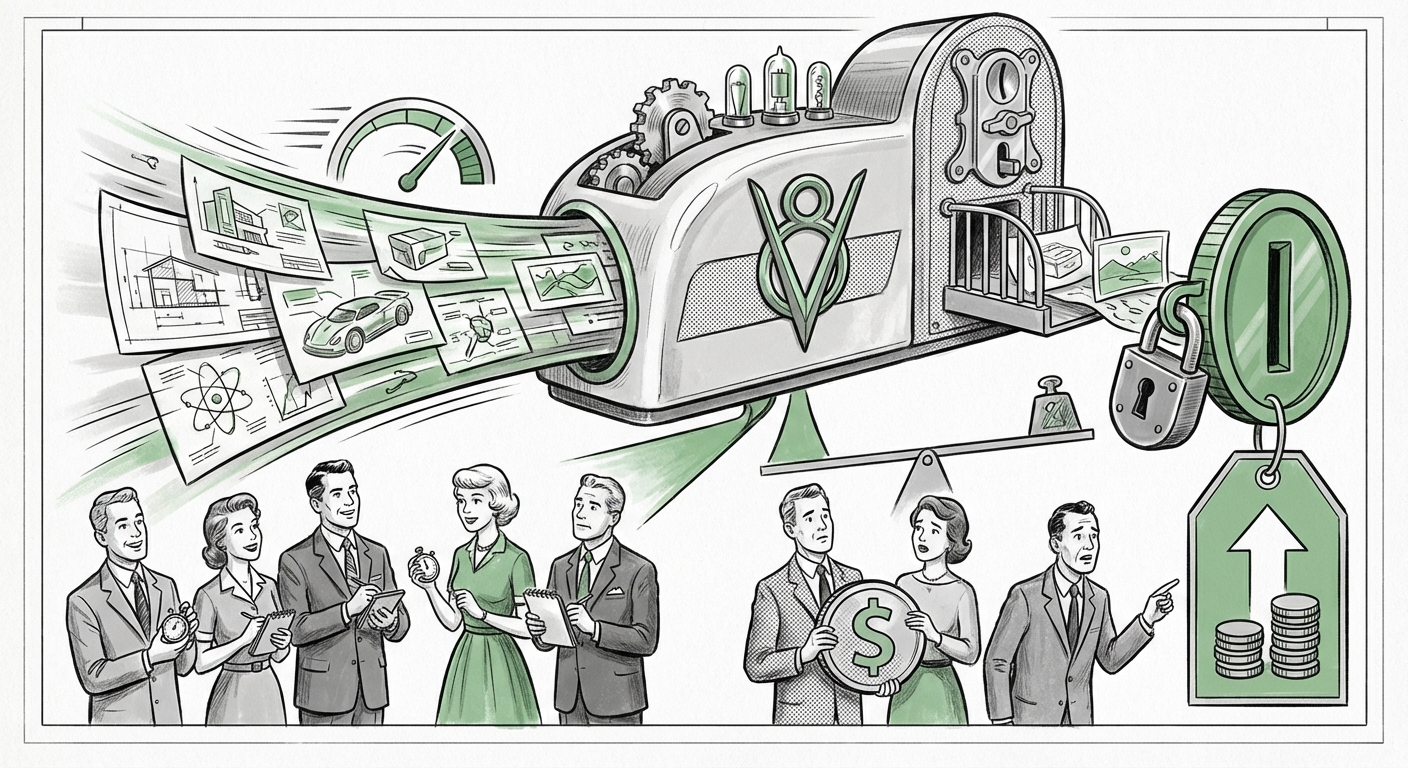
If OpenAI goes public, it might accelerate product releases to satisfy Wall Street. That could mean faster improvements to ChatGPT, better GPT models, and more commercial partnerships. But it could also mean less time for safety testing. The pressure to report strong quarterly numbers might push the company to deploy features that are not yet fully aligned with human values.
If OpenAI stays private, it can continue its deliberate pace of research and safety work. The company has already shown a willingness to pause releases (like when it delayed GPT-5 for additional safety evaluations). A private structure gives it room to prioritize safety without immediate market punishment. The future of AI could be safer but slower if OpenAI and similar companies resist the IPO route.
2. The AI Industry's Governance Model Is at Stake
OpenAI is unique because it started as a non-profit and later created a "capped-profit" structure. This hybrid model – where investors can earn a limited return, but the board ultimately serves the mission – was designed to attract capital without losing sight of the mission. An IPO would almost certainly end that experiment. Public shareholders have no cap on returns; they demand maximum profit. The tradeoff is between a mission-aligned governance model (private) and a profit-maximizing model (public).
If OpenAI chooses an IPO, it signals that even a mission-driven AI company cannot escape the logic of capital markets. That would encourage other AI startups to go public early, potentially flooding the market with products that prioritize hype over reliability. If OpenAI stays private, it gives other companies a blueprint for mission-first governance – and may push regulators to create new structures for "public benefit" AI companies.
3. Regulation and Public Trust Hinge on Transparency
Public companies must disclose financials, risks, and sometimes even strategic plans. That transparency can help regulators and the public understand what AI companies are doing. Right now, OpenAI's inner workings are relatively opaque. An IPO would force it to reveal more, which could build trust – or expose uncomfortable truths about its business model, data sourcing, or safety measures.
However, transparency also comes with risks. If OpenAI reveals that its models have certain failure rates, that could spark a panic or lead to overly restrictive regulations. The tradeoff is between informed public oversight (good for democracy) and potential destabilization (bad for innovation). The timing of an IPO matters: too early could invite a regulatory backlash; too late could let other less transparent players dominate.
Practical Implications for Businesses and Society
For Businesses That Rely on OpenAI's Technology
If you are a company that uses OpenAI's APIs or integrates ChatGPT into your products, the IPO timeline affects your roadmap. A public OpenAI might raise prices to please investors, or create new tiers of service. It might also be more conservative in deprecating old models, since changes could affect revenue. On the flip side, a public OpenAI could invest more in enterprise features, making the platform more robust for business use.
The uncertainty around the IPO means you should stay flexible. Avoid locking your entire infrastructure into a single AI provider. Have fallback options – like open-source models or alternatives from Anthropic, Google, or Meta. The future of AI will likely be multi-provider, and OpenAI's tradeoff calculations should remind you to diversify.
For Society and Everyday Users
AI affects everyone, even if you don't write code. The way OpenAI balances profit and mission will influence how AI tools are priced, how safe they are, and how much power they concentrate. If OpenAI goes public and becomes hypergrowth-oriented, we might see more aggressive data collection, more ads in AI interfaces, or subscription hikes. If it remains private, it might limit access to cutting-edge models to reduce risk – meaning fewer free tools for the public.
Society also needs to think about the message: if the leading AI lab says going public is "complicated" and uncertain, it signals that the current market structures are not well-suited for AI. That should push governments to create new kinds of legal entities – like "public benefit corporations" with enforceable mission guards – that allow AI companies to access public capital without losing their ethical compass.
Actionable Insights for Leaders and Policymakers
- For AI founders and CEOs: Study OpenAI's hybrid model and decide if you can sustain it without IPO pressure. Consider alternatives like direct listings or SPACs that allow more control, but be aware that all public markets eventually demand growth.
- For investors: Recognize that AI companies may have inherently longer time horizons for safety and research. Demand governance structures that protect the mission, not just short-term returns. The tradeoffs OpenAI describes are real – factor them into your valuation.
- For regulators: Use this moment to create a new corporate form specifically for AI companies. For example, a "benefit corporation" with a legal duty to consider safety and societal impact alongside profit. That would make the tradeoff less stark.
- For developers and users: Watch for signals from OpenAI. If they announce concrete IPO plans, expect rapid feature releases but also more bugs and controversial updates. If they stay private, expect a steadier but slower pace. Adjust your adoption strategy accordingly.
Conclusion: The Tradeoffs Are Everyone's Business
OpenAI's statement that going public is "a complicated set of tradeoffs" and that the timing is uncertain is not just corporate caution. It reflects a fundamental truth: the financial infrastructure that powers most technology companies was not designed for organizations that aim to build artificial general intelligence for the benefit of all humanity. The tradeoffs are real, and they affect the speed, safety, and equity of AI development.
As the AI industry matures, the decision OpenAI makes will set a precedent. If it goes public, we will see a new era of hyper-commercial AI. If it stays private, it may inspire a wave of mission-first AI labs. Either way, the conversation about tradeoffs is exactly what we need. It forces us to ask hard questions: Do we want AI to maximize profit or human welfare? Can a public company truly prioritize safety? And what kind of innovation do we really want?
The answers are not simple – but asking the questions is the first step to building an AI future that works for everyone.