Adobe AI Agents Are Coming to Photoshop and Premiere: Inside the Next Era of Creative Cloud
In a move that signals a major shift in how creative professionals will work, Adobe has begun adding AI agents to its flagship Creative Cloud applications, including Photoshop, Premiere Pro, and other core tools. Announced on June 18, 2026, this integration marks a turning point in the evolution of generative AI from simple assistive features toward truly autonomous, goal-oriented assistants embedded directly into professional creative workflows.
Instead of simply generating an image or suggesting an edit, these new AI agents can understand complex, multi-step creative tasks, execute them with minimal user guidance, and even adapt their approach based on the context of a project. The addition of agents — rather than just tools — represents a fundamental rethinking of what it means to collaborate with AI in a creative environment.
This article explores what Adobe's AI agents are, why they matter for designers and video editors, what they signal about the future of creative software, and how businesses and independent creators can prepare for the coming shift.
From AI Features to AI Agents: A Critical Shift
Adobe has been integrating generative AI into its products for several years. Earlier features like Generative Fill in Photoshop or Text to Video in Premiere were powerful, but they required the user to initiate and direct every step. The user chose the area to fill, typed the prompt, and evaluated the result. The AI was a tool — a smart brush or a clever filter.
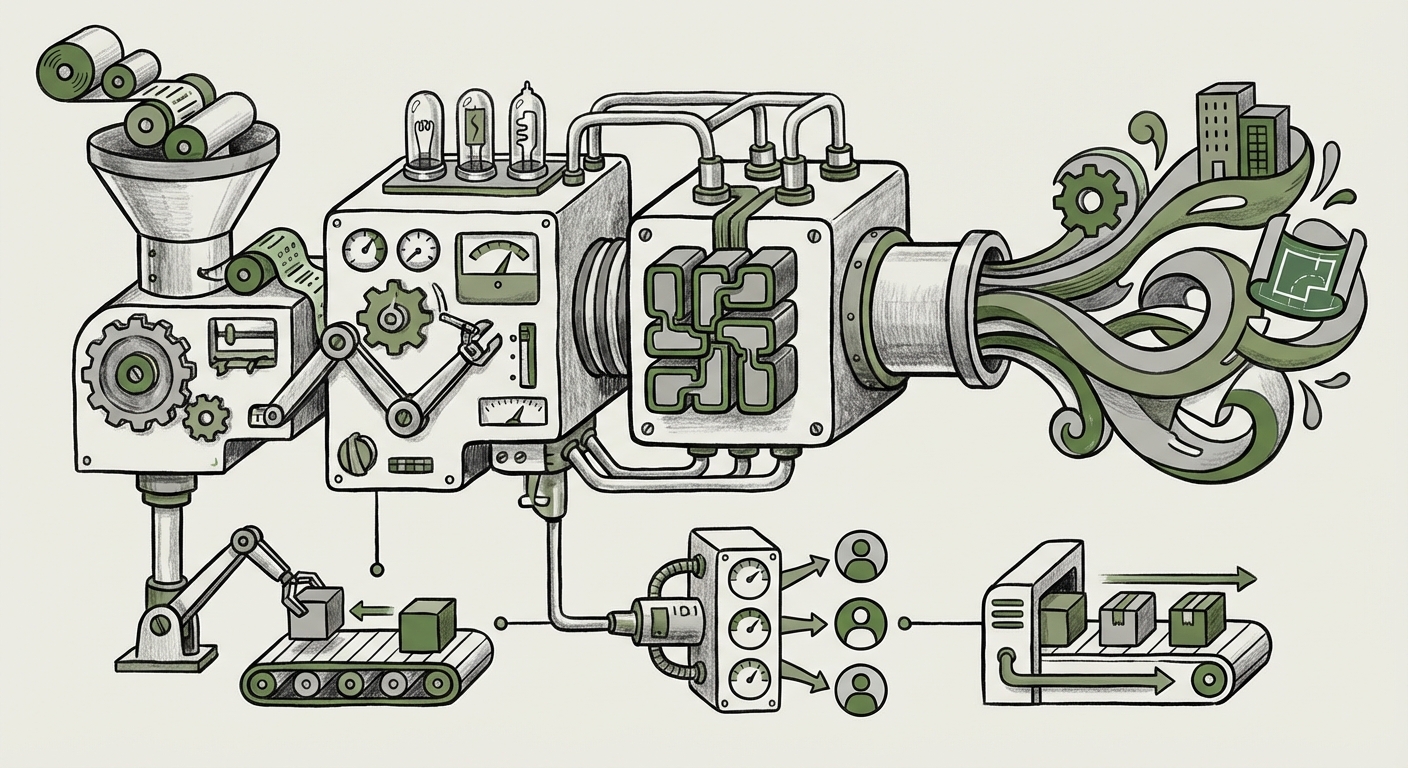
AI agents are fundamentally different. Where a tool waits for a command, an agent can take the initiative. It can analyze a project, identify what needs to be done, propose a plan, and execute it across multiple steps without constant human input. In Photoshop, that might mean an agent that looks at a batch of product photos, recognizes that they all need the same background removal color correction, and applies those edits while the designer focuses on higher-level creative decisions.
In Premiere Pro, an AI agent could analyze hours of raw footage, identify the best takes based on framing lighting and performance, assemble a rough cut, and even suggest music and transitions that match the mood of the project. The editor still has final control — but the agent handles the drudgery.
This shift from tool to agent has profound implications for how creative work gets done, who can do it, and what it costs.
What Adobe's AI Agents Can Do Across Creative Cloud
According to the announcement, Adobe is rolling out AI agents across a range of Creative Cloud apps. While specific capabilities will likely vary by application and evolve over time, the core concept is consistent: these agents are designed to understand the user's intent, break down complex tasks, and work autonomously or semi-autonomously to complete them.
In Photoshop
Photoshop's new AI agents are expected to handle multi-step editing workflows that previously required manual actions or multiple separate tools. Instead of selecting an object, inverting the selection, applying a mask, adjusting brightness, and then running a generative fill — the agent can understand a request like "isolate the subject, remove the background, and add a soft studio light effect" and execute the entire sequence.
These agents can also learn from the designer's style. Over time, they begin to predict the kind of edits a user typically applies to portrait shots versus product shots, and they can offer to automate those patterns. The result is a Photoshop that feels less like a complex instrument and more like a collaborative partner.
In Premiere Pro
For video editors, the AI agents in Premiere Pro offer similar leaps. Video editing is notoriously time-intensive, with much of the work spent on logging footage, making rough cuts, and syncing audio. AI agents can ingest media, transcribe dialogue, identify key moments (such as reactions, close-ups, or action sequences), and assemble a first draft that the editor can then refine.
More advanced agents might handle color grading across an entire project based on a reference clip, or generate captions and graphics that match the video's style automatically. For social media content creators who need to produce multiple versions of the same video for different platforms, an agent could handle the resizing, reformatting, and re-editing automatically.
Across Other Creative Cloud Apps
Adobe's plans extend beyond Photoshop and Premiere. The company is expected to bring AI agents to Illustrator, InDesign, After Effects, and Lightroom as well. In Illustrator, agents could automate the creation of complex vector assets from rough sketches. In InDesign, they could handle layout adjustments for different document formats. In After Effects, they could generate motion graphics templates based on a brief description.
The connective thread is that Adobe is building an ecosystem where AI agents can work across apps, not just within them. An agent could start a task in Photoshop, pass assets to After Effects for animation, and then move the result into Premiere Pro for final assembly — all based on a single instruction from the user.
What This Means for the Future of Creative Work
The introduction of AI agents into professional creative tools raises big questions about the nature of creativity, the role of the artist, and the skills that will be valuable in the coming years.
Creativity Becomes More About Direction Than Execution
When AI agents can handle the technical execution of creative tasks, the human role shifts from craftsperson to director. The value of a designer or video editor becomes less about their mastery of specific software menus or keyboard shortcuts and more about their ability to articulate a creative vision, to judge quality, and to guide the agent toward a desired outcome.
This is a double-edged sword. On one hand, it lowers the barrier to entry — someone with great creative ideas but limited technical skill can now produce professional-quality work by directing an agent. On the other hand, it could commoditize certain technical skills that took years to develop, potentially disrupting careers built on those competencies.
Speed and Scale of Production Will Increase Dramatically
With AI agents handling the repetitive and time-consuming parts of creative work, the speed at which content can be produced will increase significantly. A graphic designer who once spent three days producing a set of social media assets might now complete the same work in a few hours — or use that saved time to produce many more variations, test different approaches, or focus on more strategic work.
For businesses, this means faster turnaround times, lower production costs, and the ability to create more personalized content at scale. A marketing team could generate dozens of localized versions of an ad campaign in a fraction of the time it used to take.
New Roles Will Emerge
Just as the rise of digital photography created new roles like digital retoucher and colorist, the rise of AI agents will create new roles. We will likely see the emergence of AI creative directors — professionals who specialize in training, directing, and overseeing AI agents in creative workflows. There may also be new roles focused on quality assurance, prompt engineering, and agent performance optimization.
For individual creators, the ability to work with AI agents effectively will become a key differentiator. The best designers will not be those who resist automation, but those who learn to combine their creative judgment with the speed and scale that AI agents enable.
Implications for Businesses and Organizations
The arrival of AI agents in Creative Cloud is not just a story for individual artists. It has significant implications for companies of all sizes that rely on creative production.
Reduced Production Costs and Faster Time-to-Market
For businesses that produce marketing materials, product content, or media assets, AI agents can dramatically reduce the time and cost of production. An e-commerce company that needs to process thousands of product photos can use Photoshop agents to handle background removal, color correction, and resizing automatically. A media company that produces daily video content can use Premiere agents to assemble rough cuts and generate social media clips in minutes.
This cost reduction does not necessarily mean fewer jobs — it may mean that creative teams can take on more work, produce higher-quality output, or experiment with formats and approaches that were previously too expensive or time-consuming.
Consistency and Quality Control at Scale
AI agents can be trained to apply consistent branding, color palettes, and stylistic rules across all creative output. This is especially valuable for large organizations that need to maintain a coherent brand identity across thousands of assets produced by different teams or agencies. An agent can ensure that every image, video, and document follows the company's visual guidelines without requiring manual review of each asset.
New Training and Skill Development Needs
Businesses will need to invest in training their creative teams to work effectively with AI agents. This is not just about learning new software features — it is about developing a new mindset. Teams will need to learn how to delegate tasks to agents, how to review and refine agent output, and how to maintain creative control while leveraging automation.
Organizations that invest early in building these skills will have a competitive advantage. Those that ignore the shift risk falling behind as their competitors produce more content, faster, at lower cost, with higher consistency.
What This Signals About the Future of AI
Adobe's move to integrate AI agents into Creative Cloud is part of a broader trend in the AI industry. Across many domains, we are moving from models that respond to prompts toward autonomous agents that can pursue goals, make decisions, and take action over extended periods.
In the creative space, this shift is especially significant because it touches on an area that many assumed would be resistant to automation: artistic expression. If AI agents can now handle significant portions of the creative production process, it suggests that few knowledge work domains will remain untouched by automation.
At the same time, the Adobe announcement reinforces the idea that AI is not replacing human creativity but augmenting it. The agents are designed to work alongside humans, not to replace them. The human sets the direction, makes the judgments, and provides the creative spark. The agent handles the labor.
This human-plus-AI model is likely to become the dominant paradigm across many industries, from software development to legal work to medicine. Adobe is showing what that partnership looks like in the creative domain.
Practical Steps for Creators and Businesses
If you are a creative professional, a business leader, or someone who relies on creative content, here are some actionable steps you can take to prepare for the age of AI agents.
- Start experimenting now: If you have access to Creative Cloud, begin exploring AI agents as soon as they become available. The sooner you understand what they can and cannot do, the better positioned you will be to use them effectively.
- Focus on higher-level skills: Invest in developing your creative vision, your ability to give clear direction, your taste, and your understanding of what makes effective content. These are the skills that will become more valuable, not less.
- Document and systematize your workflows: AI agents work best when they have clear, repeatable patterns to follow. If you can document your creative processes, you will be able to teach those processes to agents and automate them.
- Build quality review processes: Automation requires oversight. Establish checkpoints and review steps to ensure that agent output meets your standards. Treat agents as junior collaborators whose work always needs a senior review.
- Stay informed: The pace of change in AI is rapid. The capabilities of agents today will look primitive compared to what arrives in 2027. Keep learning and stay flexible.
Conclusion
Adobe's addition of AI agents to Photoshop, Premiere, and other Creative Cloud apps represents a genuine turning point in the history of creative software. By moving beyond simple generative features toward autonomous, goal-driven agents, Adobe is redefining the relationship between human creativity and machine assistance.
For creative professionals, the message is clear: the tools are changing, the workflows are changing, and the skills that matter are changing. The designers and editors who thrive in this new environment will be those who embrace the partnership with AI agents, who focus on direction over execution, and who continue to invest in the uniquely human qualities — taste, judgment, empathy, and vision — that no agent can replicate.
For businesses, the opportunity is enormous: faster production, lower costs, greater consistency, and the ability to scale creative output in ways that were previously impossible. The organizations that move early to integrate AI agents into their creative workflows will gain a significant edge over those that hesitate.
The future of creative work is not about humans versus AI. It is about humans with AI. Adobe's AI agents are the latest — and most powerful — demonstration of that future taking shape.