ChatGPT Keeps Creeping Toward Becoming Your AI Personal Assistant with New Scheduled Task Controls
In the fast-evolving world of artificial intelligence, the line between a simple chatbot and a full-fledged personal assistant is getting thinner every day. The latest step in that journey comes from ChatGPT, which has quietly but powerfully added new scheduled task controls that push it further into the territory of a proactive, always-ready AI companion. This is not just another incremental update — it is a signal that the era of the AI personal assistant is closer than many realize.
As reported by The Decoder on June 20, 2026, ChatGPT's scheduled task controls allow users to set up actions that the AI will perform automatically at specified times or intervals. This moves ChatGPT from a reactive tool — one that only responds when you ask it something — to a proactive system that can act on your behalf, on a schedule you define. For anyone who has ever wished their AI could just handle the routine stuff, this is a big deal.
Let's unpack what this development really means, why it matters for the future of AI, and how businesses and individuals can start thinking about this shift today.
The Core Development: Scheduled Task Controls
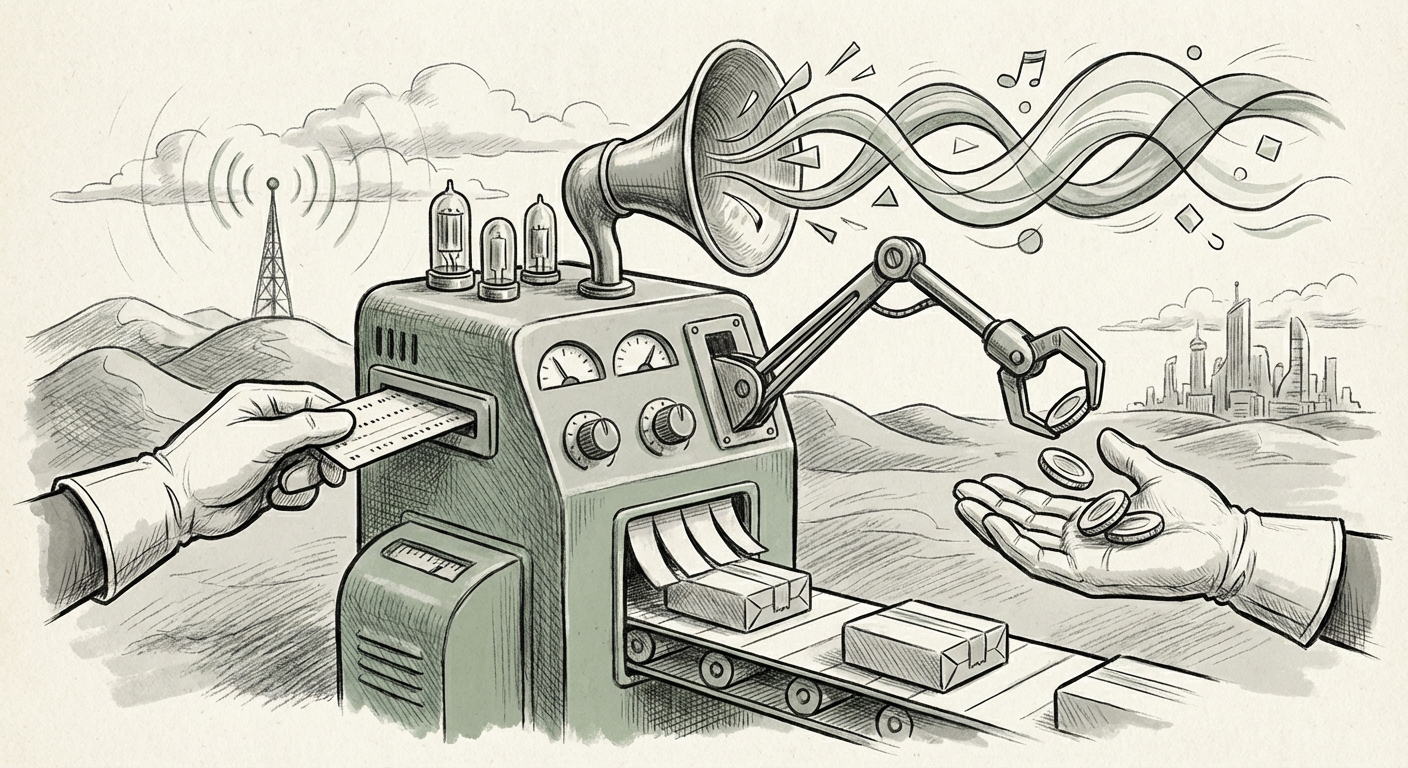
At its simplest, the new scheduled task controls let you tell ChatGPT to do something at a specific time or on a recurring basis. Think of it like setting a reminder on your phone, but instead of just pinging you, the AI actually performs a task. That could mean generating a daily summary of news, checking the weather every morning, sending a weekly report, or even interacting with other tools and services you use.
This is a fundamental leap forward. Until now, most AI assistants — including ChatGPT — have been reactive. You type a prompt, the AI responds. You ask a question, it answers. You give a command, it executes. But the initiative always comes from you. With scheduled task controls, the AI can take the initiative. It can wake up at 7 AM, compile the information you need, and deliver it to you without you having to lift a finger.
This changes the relationship between humans and AI from commander-and-tool to something closer to manager-and-assistant. You're no longer the one pulling the lever every time. Instead, you set the parameters and let the AI handle the repetition.
Why This Is a Bigger Deal Than It Sounds
On the surface, scheduled tasks might sound like a small feature. After all, we already have calendar apps, reminder systems, and automation tools like IFTTT or Zapier. But the difference here is intelligence.
When ChatGPT performs a scheduled task, it is not just executing a fixed script. It is using its language understanding and reasoning capabilities to adapt, summarize, filter, and present information in a way that makes sense for you. That is a level of sophistication that traditional automation tools cannot match.
For example, consider a scheduled task that asks ChatGPT to "summarize the top three tech news stories every weekday at 8 AM." The AI doesn't just fetch headlines. It reads articles, understands what is important, and writes a custom summary tailored to your interests (if you've told it what you care about). That is a genuinely intelligent assistant at work.
This is also a sign that ChatGPT is moving toward persistent memory and continuous operation. Scheduled tasks imply that the AI is running in the background, keeping track of time, and acting without direct human input. That requires a level of reliability and trust that AI systems are only now beginning to earn.
What This Means for the Future of AI
The introduction of scheduled task controls is not an isolated feature update. It is part of a broader trend in which AI is transitioning from a conversational novelty to a practical, always-on utility. Here are the key implications for the future of AI.
1. AI Becomes Proactive, Not Just Reactive
The single biggest shift is from reactive to proactive AI. For years, critics have pointed out that even the smartest chatbots are essentially fancy search boxes. They wait for you to ask. Scheduled task controls break that mold. They turn ChatGPT into something that can anticipate needs, follow routines, and act autonomously within boundaries you define. This is a foundational step toward the kind of AI personal assistants that science fiction has promised for decades.
2. Trust and Reliability Become Critical
When an AI acts on a schedule without your supervision, trust becomes everything. If ChatGPT messes up a one-off question, it's annoying. If it messes up a scheduled task that you rely on every day, that erodes trust fast. This means that as scheduled task controls become more common, the underlying AI models will need to become more consistent, more predictable, and more transparent about what they are doing and why. We are entering an era where AI reliability is not a nice-to-have, but a necessity.
3. The Rise of AI-Driven Routines
Humans are creatures of habit. We check email in the morning, skim the news at lunch, review our to-do list before bed. Scheduled task controls let AI weave itself into those routines naturally. Over time, this could lead to a world where your AI assistant manages your information flow, handles routine research, and even takes over small decision-making tasks. The AI becomes a rhythm partner in your day, not just a tool you occasionally consult.
4. Multi-Step and Multi-Tool Orchestration
Scheduled tasks are likely just the beginning. Once an AI can act on a schedule, the next logical step is for it to act on triggers — "when this happens, do that." That opens the door to full automation workflows where ChatGPT coordinates with other apps, databases, and services. Imagine a scheduled task that checks your calendar, drafts emails, updates a CRM, and sends you a summary. That is the direction this is heading.
Practical Implications for Businesses
For businesses, the arrival of scheduled task controls in ChatGPT is not just a curiosity — it is a potential productivity multiplier. Here are some of the most practical ways this could be used in a business context.
Automated Reporting and Summaries
Instead of a manager manually compiling weekly team updates, ChatGPT could be scheduled to gather data from project management tools, summarize progress, highlight blockers, and email a report every Friday at 4 PM. This saves time and ensures consistency.
Customer Follow-Ups and Engagement
Scheduled tasks could be used to send automated, personalized follow-up messages to customers after a purchase, after a support ticket is closed, or at regular intervals. Because ChatGPT understands context and can generate natural language, these messages would feel far less robotic than typical automated emails.
Competitor and Market Monitoring
Businesses could schedule ChatGPT to scan news sources, industry blogs, or social media for mentions of competitors, new regulations, or emerging trends. The AI could then produce a daily or weekly briefing tailored to the business's specific market. This turns ChatGPT into a low-cost competitive intelligence tool.
Personalized Onboarding and Training
New employees often need to absorb a lot of information in their first few weeks. ChatGPT could be scheduled to deliver bite-sized daily learning modules, answer questions about company policy, or check in on progress. This creates a personalized onboarding experience without overwhelming human resources staff.
Meeting Preparation
Imagine a scheduled task that runs 30 minutes before every meeting to pull up the agenda, recent project updates, and relevant documents, then summarizes them in a one-page briefing. For busy professionals, this alone could save hours each week.
Implications for Society and Daily Life
Beyond business, scheduled task controls have real implications for how people manage their personal lives, stay informed, and handle the relentless flood of information that defines modern life.
Information Diet Management
Many people feel overwhelmed by the constant stream of news, social media, and notifications. With scheduled tasks, you could ask ChatGPT to curate a single, daily digest of the things that matter most to you. Instead of doomscrolling all day, you get one thoughtful briefing. This could fundamentally change how people consume information — from real-time firehose to curated summary.
Health and Wellness Routines
While ChatGPT is not a medical device, it can support wellness routines. Scheduled tasks could remind you to drink water, suggest a short meditation script, log your mood, or generate a quick exercise plan. Combined with smart home devices or wearable data, this could become a gentle, always-present wellness coach.
Learning and Skill Building
Want to learn a new language or skill? You could schedule ChatGPT to quiz you daily, provide practice exercises, or recommend resources. The AI adapts to your progress and keeps you accountable — like a personal tutor that never gets tired.
Elderly and Accessibility Support
For elderly individuals or those with disabilities, scheduled task controls could be a lifeline. ChatGPT could remind them to take medication, check in on their well-being at set times, read aloud the day's news, or help them stay connected with family. The proactive nature of scheduled tasks means the AI reaches out — the user doesn't have to remember to engage it.
Actionable Insights for Adopting This Technology
So, what should you do right now? Whether you're an individual user or a business leader, here are some actionable steps to start taking advantage of scheduled task controls in ChatGPT.
Start Small and Build Trust
Don't try to automate everything at once. Pick one routine task — like a daily news summary or a weekly to-do list review — and set it up as a scheduled task. Use it for a week. See how it feels. Does it save time? Is the output reliable? Use that experience to decide what to automate next.
Think in Terms of Routines, Not Chores
The most powerful use of scheduled tasks is not one-off chores but recurring routines. Look at your day and identify patterns: morning prep, midday check-ins, evening reviews. Each of those is a candidate for a scheduled AI task. The AI becomes part of your rhythm, not just an errand runner.
Combine with Other Tools
While ChatGPT's scheduled task controls are powerful on their own, they become even more valuable when connected to other tools. If you use a CRM, an email client, or a project management platform, look for ways to have ChatGPT's scheduled outputs feed into those systems. The goal is to create a seamless workflow where the AI handles the intelligence and the other tools handle the execution.
Set Clear Boundaries and Review Often
Proactive AI is powerful, but it also requires oversight. Schedule a weekly review of what your ChatGPT tasks are doing. Are they still relevant? Are they producing good results? Do you need to adjust the prompts or timing? Treat your AI assistant like a human employee — give it clear instructions and check in regularly.
Consider Privacy and Data Security
Because scheduled tasks run without direct supervision, they may involve ChatGPT processing sensitive information. Make sure you understand the privacy implications. Avoid scheduling tasks that involve confidential data unless you are certain the environment is secure. This is especially important for businesses handling customer data or proprietary information.
The Big Picture: AI Personal Assistants Are Here
The addition of scheduled task controls is not a flashy breakthrough, but it is a deeply meaningful one. It represents a shift from AI as a tool you use to AI as a partner you delegate to. That may sound like a small distinction, but it changes everything about how we relate to intelligent machines.
When you can set an AI to work on a schedule, you are essentially giving it a piece of your agency. You are saying, "Here is a task that matters to me. I trust you to handle it on my behalf, at the right time, in the right way." That is a huge step forward in human-AI collaboration.
For businesses, this means rethinking how work gets done. Instead of hiring more people to handle repetitive information tasks, you can hire ChatGPT to do them — and it works 24/7, never complains, and gets faster with every update. For individuals, it means reclaiming time and attention that gets eaten by routine chores.
Of course, there are risks. The more we delegate to AI, the more we need to ensure it is aligned with our values, our goals, and our privacy. The scheduled task controls are a powerful feature, but they also demand responsibility. Users must be thoughtful about what they automate, how they verify the AI's work, and what happens when something goes wrong.
But the direction is clear. ChatGPT is creeping — steadily, deliberately — toward becoming the AI personal assistant that many have dreamed of. The scheduled task controls are just the latest step in that journey. And if this trend continues, the question will not be whether you have an AI personal assistant, but how you choose to work with it.
The future of AI is not just about smarter models. It is about models that show up — on time, every time, ready to help. And with scheduled task controls, ChatGPT is showing up.