AWS Says AI Agents Lack Business Context and Security – Two New Services Aim to Fix That
Artificial intelligence agents are on the rise. They can answer questions, automate tasks, and even make decisions. But according to AWS, many of these agents are missing two critical ingredients: business context and security. On June 21, 2026, AWS launched two new services designed to patch these gaps. This move signals a major shift in how enterprises will deploy AI agents in the real world.
Let's break down what this means for the future of AI, how businesses can prepare, and why context and security are now front and center in the conversation about intelligent agents.
The Problem: AI Agents Without Business Context Are Blind
AI agents today are powerful. They can process language, retrieve information, and even interact with other software. But they often operate in a vacuum. Without a deep understanding of a company's specific goals, policies, data, and workflows, an AI agent is like a brilliant employee who knows everything about nothing that matters.
AWS has identified a fundamental gap: business context. An AI agent might know how to write a perfect email, but does it know which customers are high priority? Does it understand the company's pricing strategy? Does it know the difference between a routine support ticket and a legal escalation? Without this context, agents make mistakes that range from embarrassing to costly.
Consider a customer service agent. Without business context, it might offer a discount that violates company policy. Without security, it might expose sensitive customer data. These are not hypothetical risks. They are real problems that have slowed enterprise adoption of AI agents.
AWS's diagnosis is clear: the current generation of AI agents lacks the grounding needed to operate safely and effectively inside a real business. And the solution is not to make the agents smarter. It is to give them the right context and the right guardrails.
The Security Blind Spot – Why AI Agents Need Boundaries
The second gap AWS calls out is security. This is not just about preventing hackers from stealing data. It is about ensuring that AI agents themselves do not become a security risk. An agent that can access internal databases, send emails, or trigger workflows is a powerful tool. But it is also a powerful weapon if misused.
Security for AI agents means several things:
- Access control: The agent should only be able to see and do what it needs to for its job.
- Auditability: Every action the agent takes should be logged and traceable.
- Policy enforcement: The agent should follow the same rules as human employees.
- Data protection: The agent should not leak sensitive information.
AWS's stance is that these security features cannot be an afterthought. They must be built into the platform from the start. By launching two dedicated services, AWS is making a bet that enterprises will demand this level of control before they trust AI agents with critical business tasks.
What Are the Two New Services? (What We Know from the Announcement)
According to the announcement from AWS, the company has launched two services specifically designed to address these gaps. While the full technical details are still emerging, the core message is clear: one service focuses on business context and the other on security.
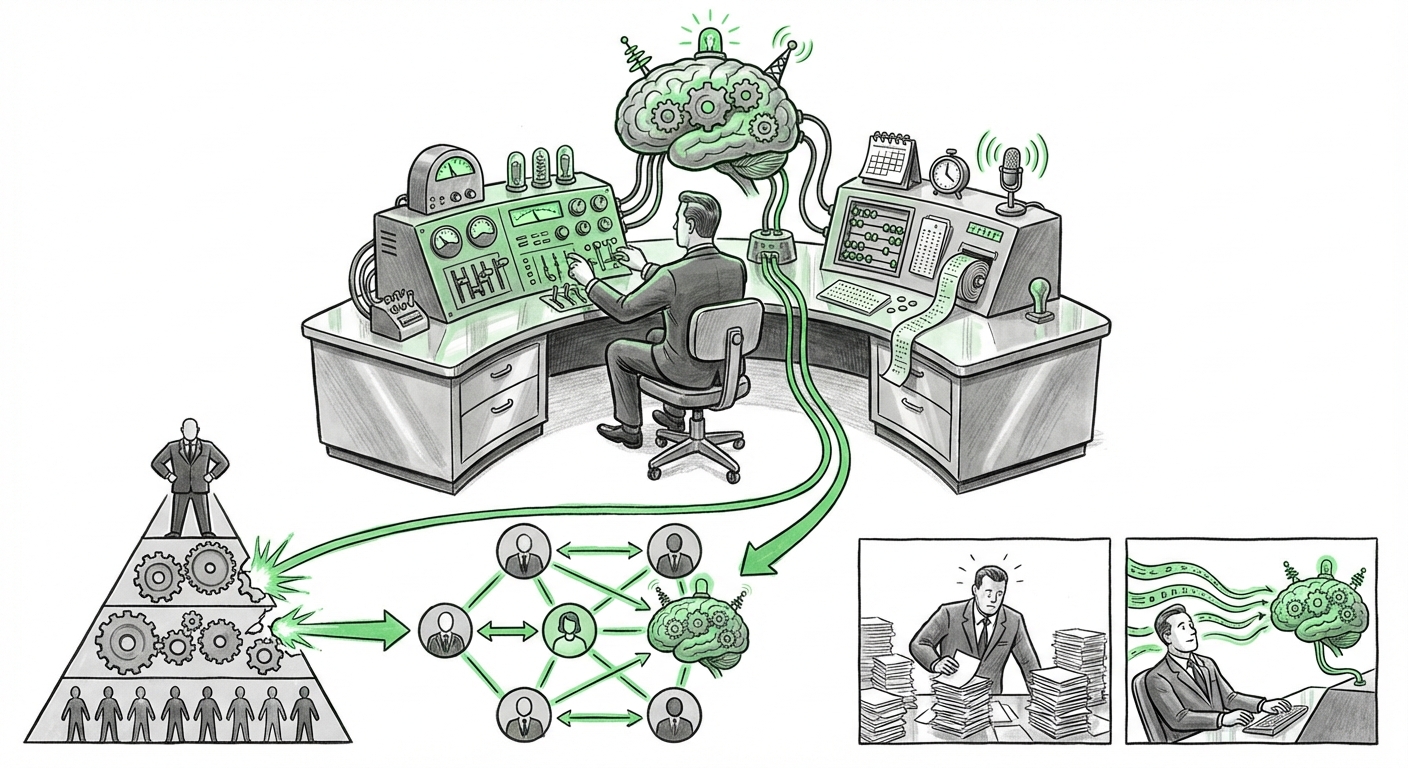
The first service is intended to give AI agents a rich understanding of the business environment they operate in. This means connecting the agent to company data sources, policies, and workflows so that it can make informed decisions. Think of it as giving the agent a "company brain" that it can consult whenever it needs to understand what is appropriate or relevant.
The second service is about security and governance. It sets boundaries around what an agent can do, who can use it, and how its actions are monitored and controlled. This is the safety net that makes enterprise adoption possible.
Together, these two services represent a new layer of infrastructure for AI agents. They are not just about making agents smarter. They are about making them safer and more useful in a real business context.
Why This Matters for the Future of AI
AWS's move is more than just a product launch. It is a statement about the direction of the entire AI industry. The market is moving from general-purpose chatbots to specialized, task-oriented agents. And as that happens, the requirements change.
In the early days of AI, the focus was on raw capability: how many parameters does the model have? How fast can it generate text? How accurate are its answers? Those questions are still important, but they are no longer the only questions. Now, enterprises are asking: Can I trust this agent? Does it understand my business? Is it secure?
AWS is betting that the companies that win in the AI agent space will be the ones that solve these trust and context problems. And by launching these services, AWS is positioning itself as the platform that makes enterprise-grade AI agents possible.
This also signals a shift in responsibility. Earlier, AI providers focused on building better models. Now, they need to build better systems around those models. The model is just the engine. The context layer, the security layer, and the integration layer are what make the engine useful in a real business.
Practical Implications for Businesses
For business leaders and technology teams, this development has several practical implications:
1. Context Is the New Competitive Advantage
Companies that have clean, organized, and accessible data will be able to give their AI agents richer context. That means they will get better results. Investing in data infrastructure and knowledge management is no longer just a best practice. It is a prerequisite for effective AI agents.
2. Security Cannot Be an Afterthought
The era of experimenting with AI agents in a sandbox is ending. As agents move into production, they need enterprise-grade security. This includes role-based access, encryption, audit trails, and policy enforcement. Businesses should start evaluating their security posture for AI agents now.
3. Governance Will Become a Core AI Function
Just as companies have governance for data and software, they will need governance for AI agents. Who is allowed to deploy an agent? What data can it access? How are its decisions reviewed? These questions will become central to enterprise AI strategy.
4. Platform Choices Matter More Than Ever
As AWS, Microsoft, Google, and others build out their AI agent platforms, the choice of platform will have long-term consequences. The platform that offers the best context and security layer will attract the most enterprise customers. Businesses should evaluate platforms not just on model quality, but on the surrounding infrastructure.
What This Means for Society
The implications go beyond individual businesses. As AI agents become more common in the workplace, society will need to grapple with new questions about accountability, transparency, and fairness.
An AI agent that understands business context might make decisions that affect employees, customers, and communities. If something goes wrong, who is responsible? The developer? The company? The platform provider?
AWS's focus on security and context is a step in the right direction, but it is not a complete solution. Governance frameworks, regulations, and ethical guidelines will also need to evolve. The technology is moving fast, and the rules are still being written.
On the positive side, better context and security could unlock significant benefits. AI agents that are grounded in business reality can reduce errors, improve efficiency, and free up humans to focus on more creative and strategic work. The key is to build systems that are both powerful and trustworthy.
Actionable Insights for Technology Leaders
If you are leading AI adoption in your organization, here are some steps you can take right now based on this development:
- Audit your data readiness: Is your business data organized, documented, and accessible? If not, start a data hygiene project. Rich context starts with clean data.
- Define agent boundaries: Before deploying any AI agent, clearly define what it can and cannot do. What data can it access? What actions can it take? Who approves its decisions?
- Evaluate security infrastructure: Look at your existing security tools and processes. Do they cover AI agents? If not, consider dedicated AI security solutions.
- Start small and iterate: Use the new AWS services (or similar offerings from other providers) to build a pilot agent in a controlled environment. Learn from the experience before scaling.
- Plan for governance: Establish a governance framework for AI agents that includes oversight, review, and accountability. This is not just a technical challenge. It is an organizational one.
The Road Ahead
AWS's announcement on June 21, 2026 is a clear signal that the AI industry is maturing. We are moving beyond the excitement of what AI can do and into the hard work of making it work safely and effectively in real businesses. The two new services are a direct response to the two biggest barriers to enterprise AI agent adoption: lack of business context and lack of security.
For businesses, this is both a warning and an opportunity. The warning is that deploying AI agents without context and security is risky. The opportunity is that the platforms and tools to do it right are now becoming available. The companies that invest in this infrastructure will be the ones that lead in the age of intelligent agents.
The future of AI is not just about smarter models. It is about smarter systems. And smarter systems start with context and security.