Security Vulnerability Reports Have Exploded Since AI Models Started Hunting for Bugs
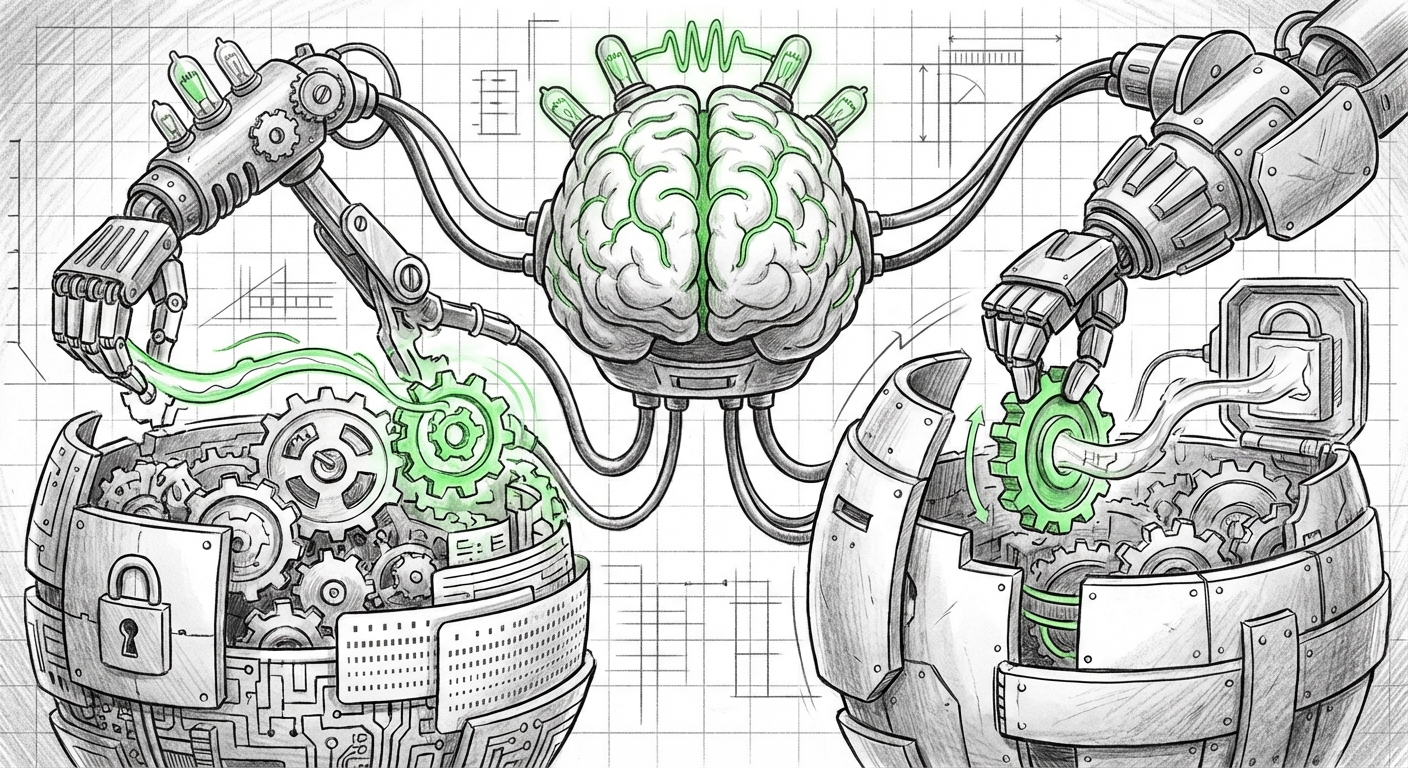
For years, cybersecurity teams have struggled to keep up with the endless stream of new software vulnerabilities. Human researchers, bug bounty hunters, and automated scanners worked around the clock, but the number of critical flaws discovered each year grew at a steady, predictable pace. That predictable pace is now a thing of the past. Since AI models began actively hunting for security bugs, the volume of vulnerability reports has exploded — and the change is reshaping the entire cybersecurity landscape.
This shift is not just about faster scanning. It represents a fundamental change in how software flaws are discovered, reported, and patched. AI-powered bug hunting tools can now analyze code, trace execution paths, and identify potential weaknesses at a scale and speed that human teams simply cannot match. The result is a tidal wave of vulnerability reports that is overwhelming traditional triage systems — and forcing organizations to rethink how they approach security from the ground up.
The Scale of the Explosion
The data is striking. Since AI models were first deployed to systematically hunt for bugs, the number of security vulnerability reports submitted to major databases and bug bounty platforms has surged dramatically. The growth is not incremental — it is exponential. In the past, the number of reported vulnerabilities might increase by 10 or 20 percent year over year. Now, in some categories, reports have more than doubled or tripled within a single quarter.
AI models are capable of analyzing entire codebases in minutes, flagging suspicious patterns, and even generating proof-of-concept exploits to demonstrate the severity of a flaw. Where a human researcher might take days or weeks to find a single meaningful vulnerability, an AI can surface dozens — sometimes hundreds — of potential issues in the same timeframe. This speed and thoroughness have sent the total number of reported vulnerabilities into territory that would have seemed impossible just a few years ago.
The implications are profound. With so many more bugs being found, the backlog of unpatched vulnerabilities is growing faster than ever. Organizations that once prided themselves on patching critical flaws within 24 hours are now struggling to keep up with the sheer volume of incoming reports. The firehose of findings, while valuable, is also creating a new kind of crisis: triage overload.
How AI Models Hunt for Bugs
To understand why this explosion is happening, it helps to look at how AI models actually find vulnerabilities. Traditional automated scanners rely on predefined rules and signatures. They look for known patterns — things like SQL injection strings, buffer overflow patterns, or hardcoded credentials. These tools are effective at finding known types of bugs, but they struggle with novel or complex flaws that do not fit a simple template.
AI models, particularly large language models and specialized machine learning systems, take a very different approach. They are trained on vast datasets of code, including examples of both secure and vulnerable software. Through this training, they learn to recognize subtle patterns that indicate a potential security issue — even if that issue has never been seen before.
- Static analysis: AI can scan source code line by line, looking for logic errors, race conditions, improper input validation, and other common root causes of vulnerabilities.
- Dynamic analysis: Some AI models can simulate running the software and observe its behavior under various inputs, looking for crashes, memory corruption, or unexpected outputs.
- Fuzzing acceleration: AI-guided fuzzing tools can intelligently generate test inputs that are more likely to trigger bugs, making the fuzzing process far more effective than random input generation.
- Exploit generation: Advanced models can go a step further and create working proof-of-concept exploits, proving that a vulnerability is real and helping developers understand its impact.
The combination of these capabilities means that AI bug hunters can find vulnerabilities that human reviewers would likely miss, and they can do it at an unprecedented scale. The result is a flood of high-quality, actionable vulnerability reports — more than the industry has ever seen before.
What This Means for the Future of AI and How It Will Be Used
The explosion of AI-driven vulnerability discovery is not a temporary spike. It is the beginning of a new era in cybersecurity — one where AI is not just a tool for defenders, but also a relentless hunter of weaknesses. This has major implications for how AI will be used going forward, in both defensive and offensive contexts.
Security Will Become AI-First
Organizations that have not yet adopted AI-powered security tools will soon find themselves at a severe disadvantage. The volume of vulnerabilities being discovered by AI is so high that manual triage is no longer sufficient. Companies will need to deploy their own AI systems to help sort, prioritize, and patch incoming reports. Security operations centers will become increasingly automated, with AI handling the initial analysis and only escalating the most complex or critical issues to human experts.
This shift will make cybersecurity teams more efficient, but it will also require new skills. Security professionals will need to understand how AI models work, how to interpret their findings, and how to validate their results. The role of the human security analyst will evolve from a hands-on bug hunter to a supervisor and decision-maker who oversees AI-powered systems.
Bug Bounty Programs Will Transform
Bug bounty programs, which reward independent researchers for finding and reporting vulnerabilities, are already feeling the impact. As AI models generate an enormous volume of reports, bounty platforms are being forced to update their rules and processes. Some are now requiring that researchers disclose whether AI was used in their discovery, and many are adjusting reward structures to account for the fact that AI can find bugs at scale.
In the future, bug bounty programs may shift away from paying for simple vulnerability discovery and instead focus on rewarding high-value, creative findings that require human intuition. AI will handle the low-hanging fruit, freeing human researchers to tackle the harder, more nuanced problems. This could actually make bug bounty programs more valuable — but only if they adapt quickly enough to avoid being overwhelmed.
Offensive AI Is an Emerging Threat
The same AI models that help security teams find bugs can also be used by attackers to discover vulnerabilities in target systems. This is the double-edged sword of AI-driven security research. The tools and techniques that defenders use to find flaws in their own software can just as easily be turned against other organizations to find exploitable weaknesses.
As AI bug-hunting capabilities become more accessible, the barrier to entry for sophisticated cyberattacks will drop. Attackers will no longer need deep technical expertise to discover zero-day vulnerabilities — they can simply point an AI model at a target and wait for the results. This will force organizations to adopt a much more proactive security posture, constantly scanning their own systems for weaknesses before attackers can find them.
Practical Implications for Businesses and Society
The explosion of AI-discovered vulnerabilities is not just a technical challenge — it has real-world consequences for businesses, governments, and everyday users of technology. Here are the most important implications to understand.
The Patching Bottleneck
With more vulnerabilities being discovered than ever before, the biggest bottleneck is no longer detection — it is remediation. Organizations simply do not have enough developer hours to patch every reported flaw. This means that prioritization becomes critical. Not all vulnerabilities are created equal; some pose immediate, severe risks, while others may be theoretical or require unlikely conditions to exploit.
AI can help here too. Risk-scoring models can evaluate each vulnerability based on factors like exploitability, potential impact, and the value of the affected asset. This allows security teams to focus their limited resources on the issues that matter most. However, even with AI-assisted prioritization, many organizations will need to increase their development capacity just to keep pace with the flow of new findings.
Regulatory and Compliance Pressure
As vulnerability reports grow in volume, regulators are taking notice. Already, there are discussions about requiring organizations to disclose vulnerabilities discovered by AI within certain timeframes. New compliance frameworks may emerge that mandate the use of AI-powered security scanning as a standard part of software development. Companies that fail to adopt these tools could face legal liability if a breach occurs that might have been prevented by AI-driven discovery.
This will be especially challenging for small and medium-sized businesses that lack the resources to deploy cutting-edge AI security systems. The gap between well-funded enterprises and smaller organizations could widen, creating a two-tier security landscape where only the largest players can afford to stay ahead of the vulnerability flood.
The Ethics of AI Bug Hunting
AI models that hunt for bugs also raise important ethical questions. Should an AI be allowed to search for vulnerabilities in any software, or only in software that the operator owns or has permission to test? What happens when an AI finds a vulnerability in critical infrastructure — should it be reported immediately, or should there be a responsible disclosure process? And who is liable if an AI-generated exploit causes harm?
These questions do not have easy answers, but they will need to be addressed as AI bug hunting becomes more widespread. The security community is already working on guidelines and best practices, but the pace of technological change is outstripping the development of norms and regulations.
Actionable Insights for Organizations
For leaders who want to prepare their organizations for this new reality, here are several concrete steps to consider right now.
- Adopt AI-powered security scanning tools. If your organization has not yet integrated AI into its vulnerability discovery process, now is the time. Both commercial and open-source options are available, and they can dramatically improve your ability to find and fix bugs before attackers do.
- Invest in automated triage systems. The volume of reports will only increase. Manual triage is no longer viable. Deploy AI-based prioritization tools that can sort, rank, and route vulnerability reports automatically, so your human team can focus on the most critical issues.
- Train your security and development teams. Help your staff understand how AI bug-hunting tools work, what they are good at, and where they fall short. This knowledge will be essential for interpreting results and making sound decisions about which vulnerabilities to address first.
- Update your bug bounty program. If you run a bug bounty program, revise your rules to account for AI-assisted discovery. Consider creating separate tracks for AI-discovered and human-discovered vulnerabilities, and adjust your reward structure accordingly.
- Prepare for faster patching cycles. With more vulnerabilities coming in, you will need to streamline your patching process. Consider adopting continuous delivery practices that allow you to push security fixes rapidly, without waiting for scheduled release cycles.
- Engage with the security community. The norms and best practices around AI bug hunting are still evolving. Participate in industry discussions, contribute to standards development, and share your experiences to help shape a responsible approach.
The Road Ahead
The explosion of security vulnerability reports driven by AI models is one of the most significant developments in cybersecurity in a decade. It represents both a tremendous opportunity and a serious challenge. On the one hand, AI is helping us find and fix bugs faster than ever before, making software safer for everyone. On the other hand, the sheer volume of findings is straining the capacity of security teams and creating new risks around triage, prioritization, and disclosure.
The future of AI in cybersecurity is not just about finding more bugs — it is about building smarter systems that can manage the entire lifecycle of vulnerability discovery and remediation. AI models will become an integral part of the software development process, scanning code as it is written and flagging issues in real time. They will work alongside human developers and security analysts, augmenting their capabilities and freeing them to focus on higher-level tasks.
But this future also requires vigilance. The same technology that helps defenders can be used by attackers. The tools and techniques that are making software safer today could be turned against us tomorrow. This means that the race to secure AI-driven vulnerability discovery is not just about speed — it is about responsibility, ethics, and building systems that can be trusted.
The flood of vulnerability reports is not going to stop. If anything, it will accelerate as AI models become more powerful and more widely deployed. Organizations that embrace this change and adapt their processes will be better positioned to protect themselves and their customers. Those that ignore it will find themselves overwhelmed, struggling to keep up with a tide of vulnerabilities that shows no sign of receding.
The era of AI-powered bug hunting is here. The question is not whether your organization will be affected — it is whether you will be ready.