OpenAI Abandons Standalone Browser: What the Death of Atlas Means for the Future of AI-Powered Web Browsing
A little over eight months ago, OpenAI launched a standalone web browser called Atlas, promising a new way to browse the internet with AI baked in. Now, that experiment is over. Atlas is being shut down, and all its functionality is being folded directly into ChatGPT. This move sends a clear message about the direction of AI products: the future is not about separate tools – it's about one intelligent assistant that does everything.
For businesses, developers, and everyday internet users, this decision is more than a product shuffle. It signals a fundamental shift in how we will interact with the web. Instead of opening a browser, typing a URL, and then clicking a button to ask an AI for help, the AI becomes the browser. The line between "search engine," "browser," and "assistant" is blurring beyond recognition.
Let's break down what happened, why it matters for the future of AI, and what you should do about it.
What Was Atlas, and Why Did OpenAI Kill It?
Atlas was OpenAI’s attempt at a standalone internet browser – think Chrome or Edge, but with ChatGPT deeply integrated. It was launched in late 2025 as a way to let users browse the web with an always-available AI sidekick that could summarize pages, compare prices, answer questions, and even fill out forms.
At first, the idea seemed smart. People spend huge chunks of time in their browser. Why not make the browser itself smarter? But eight months later, OpenAI pulled the plug. The official reason: the features were better served inside ChatGPT itself. Instead of maintaining two separate products, the company plans to "fold everything into ChatGPT."
This isn't a failure – it’s a strategic pivot. Building and maintaining a full-fledged browser is brutal. Google has spent years fine-tuning Chrome’s security, speed, and compatibility. Microsoft spent billions on Edge. OpenAI realized that competing in the browser wars is not its core strength. Its strength is the AI brain. So they are putting that brain everywhere, including inside the existing browsers we already use.
The Big Trend: Consolidation into Super-Apps
The death of Atlas is part of a much bigger trend in AI: the rise of the super-app. Instead of having ten different AI tools for ten different tasks – one for writing, one for coding, one for browsing, one for images – companies are pulling everything together into a single platform.
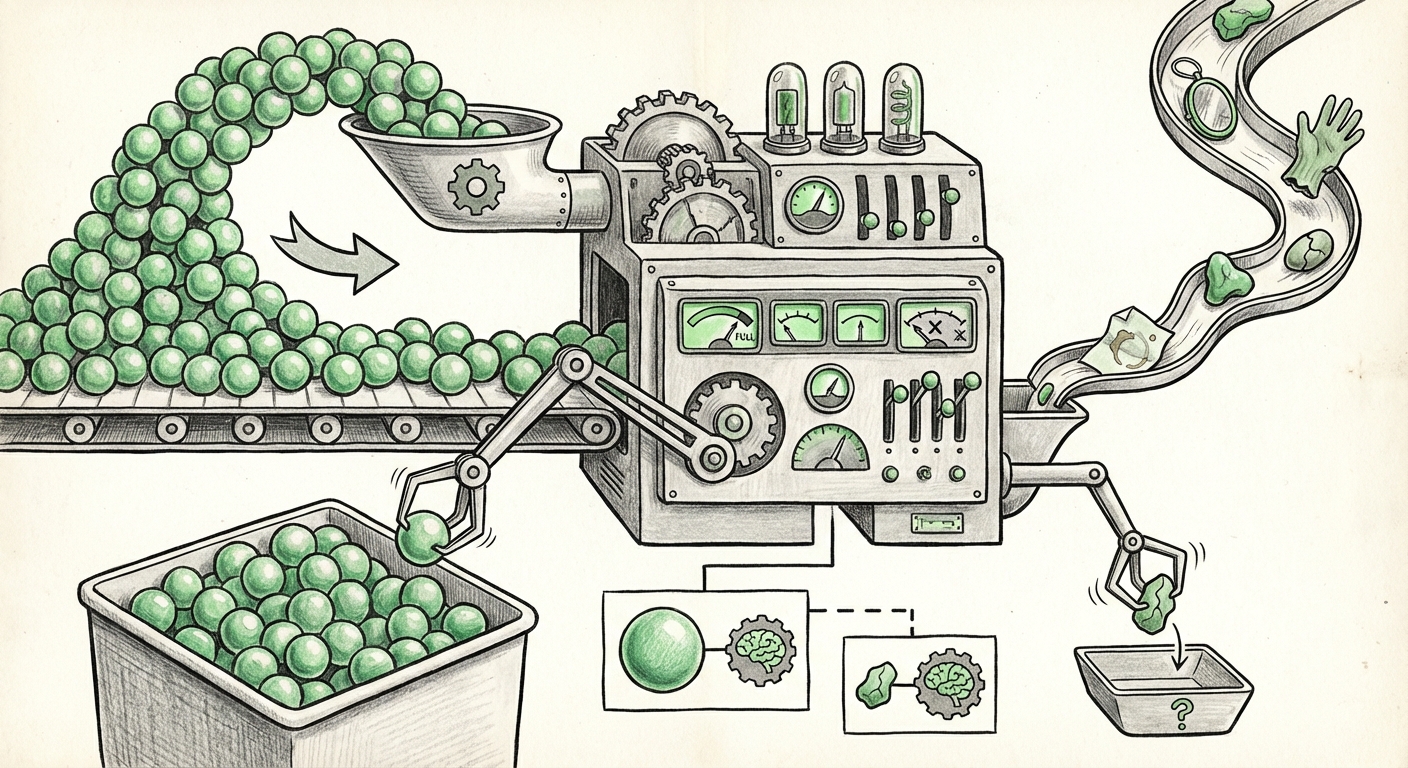
ChatGPT already handles text, images, voice, code, and data analysis. Now it will also be your default web browsing assistant. You won't need a separate "AI browser." You’ll just tell ChatGPT to go find something on the web, and it will do it – opening pages, extracting content, and presenting you with a clean answer.
This is exactly what OpenAI's competitors are doing. Google has Bard (now Gemini) built into Chrome. Microsoft has Copilot inside Edge. Amazon is building Alexa into everything. The difference is that OpenAI is now doubling down on one portal: ChatGPT.
For users: This means learning one interface for almost everything. The future of software is fewer apps, not more. You will talk to one AI, and it will orchestrate the rest.
For businesses: It means you must optimize your websites and services for AI interaction, not just human clicks. If ChatGPT becomes the main way people browse, your site needs to be understandable by ChatGPT’s crawler. Structured data, clear content, and API access will matter more than flashy design.
What This Means for the Future of Web Browsing
Web browsing as we know it is about to change drastically. Here are the key implications:
1. The Browser Becomes Invisible
When you ask ChatGPT to "find me the best laptop under $1,000 and compare the top five," the AI will open multiple websites, scrape their data, and return a nicely formatted table. You never see the browser tabs. You never click on a link. The traditional experience of "browsing" – opening tabs, clicking, scrolling – disappears.
This is already happening with tools like OpenAI’s web search feature in ChatGPT, but Atlas was meant to be the full browser experience. Now that Atlas is gone, the browsing functionality will be even deeper inside ChatGPT. Expect future versions to handle multi-step tasks like booking a flight, tracking a package, or monitoring prices – all without you leaving the chat.
2. The End of "Browsing" for Many Tasks
For a huge percentage of web activity – research, shopping, news, travel planning – the AI will do the work for you. People will shift from "I'll look it up" to "I'll ask ChatGPT." This is already happening with younger users. Atlas being killed accelerates it.
For businesses, this means you need to think about how your information appears in AI-generated answers. If ChatGPT summarizes your product page or pulls a quote, is it accurate? Is your brand represented fairly? Companies that ignore "AI readability" will lose visibility.
3. Data and Privacy Concerns Intensify
When one AI platform handles your browsing, search, email, writing, and more, it accumulates an enormous amount of personal data. The integration of Atlas features into ChatGPT means OpenAI will have even deeper access to what you look at and do online. For many users, the trade-off of convenience for privacy will be worth it – but regulators will take notice.
We can expect debates about antitrust, data sovereignty, and algorithmic bias to become louder as these super-apps grow. OpenAI's decision to consolidate may spark a new wave of regulation around "AI-as-browser" functionality.
Practical Implications for Businesses and Society
This isn’t just a tech story – it’s a business and society story. Here’s what different groups need to know:
For Small Businesses and E-commerce
- Optimize for AI extraction. If ChatGPT is your new front door, make sure your product data, prices, and reviews are machine-readable.
- Embrace AI-generated answers. Instead of fighting them, provide clear summaries and structured data that makes it easy for ChatGPT to present your business accurately.
- Consider AI-driven customer service. Since the browser is becoming an AI, you'll need an AI on your side to handle queries that come from within ChatGPT.
For Developers and Tech Companies
- Build for the ChatGPT ecosystem. OpenAI is creating a walled garden that developers can plug into. Expect a surge in plugins and integrations within ChatGPT rather than standalone browser extensions.
- Watch for API changes. The features that were in Atlas (web scraping, forms, navigation) will now be exposed via ChatGPT's API. Update your applications to leverage these capabilities.
- Rethink user interfaces. If the AI is the UI, traditional web design may give way to "conversational" and "agent-based" interfaces.
For Educators and Lifelong Learners
Future web literacy will include knowing how to ask the right questions to an AI, not just how to navigate a browser. The death of Atlas highlights that we’re moving from an era of “search and click” to “ask and receive.” Teaching students to critically evaluate AI-generated answers will be essential.
Lessons from the Atlas Experiment
The rise and fall of Atlas in just eight months teaches us several things about the AI industry:
- Speed of iteration is everything. OpenAI is willing to kill a product that isn’t the best path forward – even if they spent months building it. This agility will define winners in AI.
- The AI layer is more important than the interface layer. Atlas proved that users don't necessarily want a new browser – they want a smarter assistant that works inside their existing browser. OpenAI is betting big on that insight.
- Ecosystem lock-in is accelerating. By folding browsing into ChatGPT, OpenAI makes it harder for users to leave. Their data, their habits, their tools – all in one place. This is powerful for retention but risky for competition.
Actionable Insights You Can Use Right Now
Whether you’re a business owner, a developer, or just a curious user, here are concrete steps to prepare for the post-browser future:
- Start using ChatGPT’s web search feature today. Learn how to ask it to research, compare, and summarize. Get comfortable with the idea of the AI doing your browsing.
- Check your website’s machine readability. Use tools like Google’s Rich Results Test or OpenAI’s structured data guidelines to ensure your content is easily parsed by AI.
- Explore ChatGPT plugins that replace browser extensions you currently use. The future of "add-ons" is inside the AI, not inside the browser toolbar.
- Monitor the regulatory landscape. AI consolidation will attract antitrust attention. Stay informed so your business can adapt to new rules about data use and platform dominance.
- Teach your team. In meetings, encourage using AI for research tasks. The faster your organization adopts "ask, don't browse," the more efficient you'll be.
Conclusion: The Browser Is Dead, Long Live the AI
With Atlas gone, OpenAI has made its priorities crystal clear. The company is not interested in being a browser vendor; it’s interested in being the brain behind your digital life. The web browsing features that were in Atlas will now be threads in a much larger fabric – an AI that can converse, research, create, and act on your behalf.
For everyone who follows AI, this signals a massive shift in how we will use technology. Instead of juggling a dozen windows and tabs, you'll have a conversation. Instead of clicking through menus, you'll describe what you want. The web itself becomes a resource for the AI, rather than a direct interface for humans.
This is both exciting and unsettling. It promises incredible convenience – but also raises questions about control, privacy, and dependency on a single platform. The challenge ahead is to harness the power of AI-powered browsing while keeping the web open, competitive, and human-friendly.
The death of Atlas is not an ending. It’s the next step in a transformation that is still only beginning. The real story isn't that a browser shut down – it's that the idea of "browsing" itself is being redefined by AI.