The End of Chatbots? GPT-5.6, Grok 4.5, and Muse Spark 1.1 Usher in the Post-Chatbot Stack
For the past two years, the AI world has been obsessed with chatbots. From ChatGPT to Bard, the dominant interface was a text box where you typed a question and got an answer. That era is now ending. In a single week, three major releases – GPT‑5.6, Grok 4.5, and Muse Spark 1.1 – have shown us that the future of AI is not a better chatbot, but something far more powerful: a full, integrated Post‑Chatbot Stack.
This shift is not just about new model versions. It’s about how we use AI. Instead of asking a chatbot to write an email, the AI now works behind the scenes – orchestrating workflows, controlling software, generating content on the fly, and acting like a intelligent agent. The chatbot window becomes just one small piece of a much larger puzzle. Let’s break down what each of these new models means, and why together they signal a turning point.
What Is the Post‑Chatbot Stack?
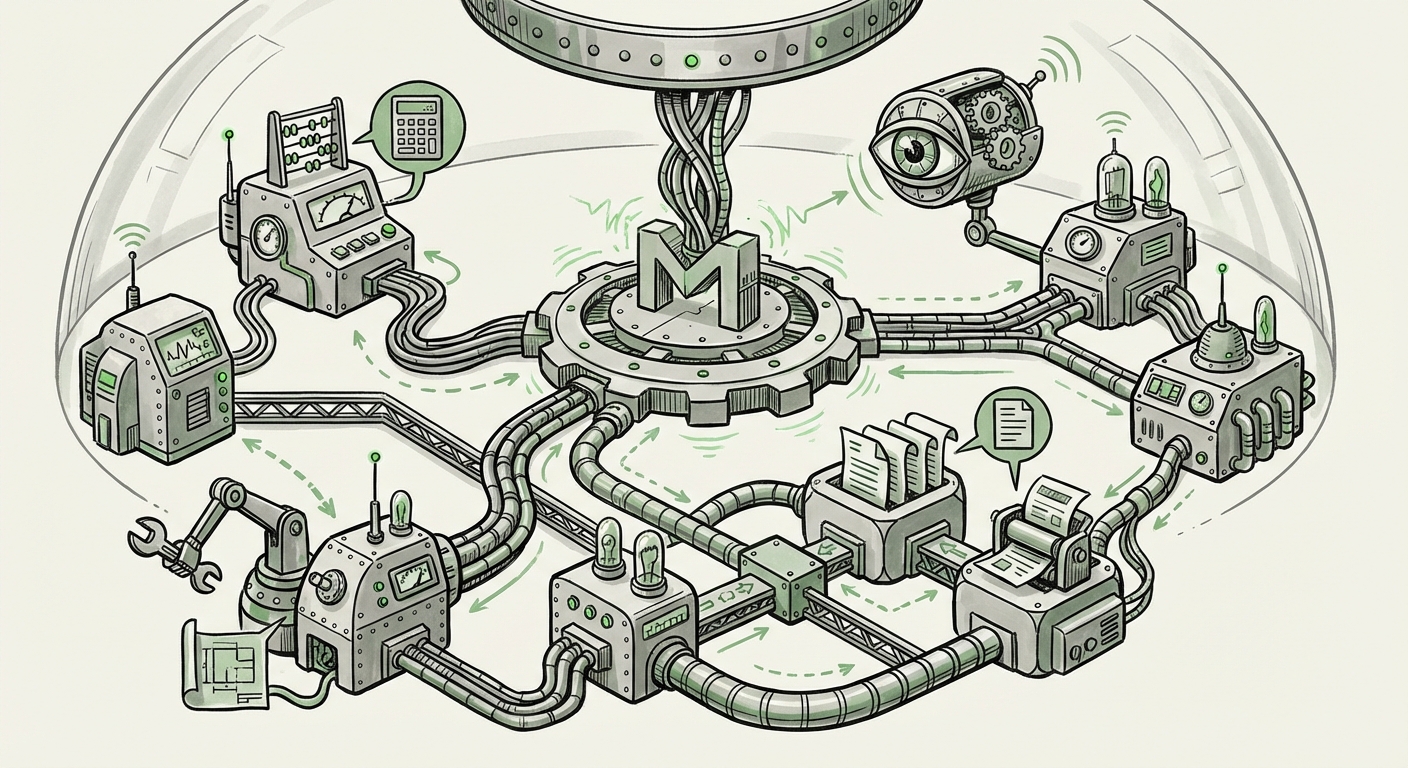
The term “Post‑Chatbot Stack” describes a new architecture for AI applications. Instead of a single large language model that does everything inside a chat interface, the stack is a layered system:
- Core model (like GPT‑5.6) – the reasoning engine.
- Specialised models (like Grok 4.5 for real‑time data, or Muse Spark 1.1 for creative output).
- Orchestration layer – decides which model to call, when, and how to combine results.
- Tool‑use and API access – the AI can take actions: read databases, send emails, control robots.
- Memory and state – the system remembers context across sessions and tasks.
This stack is designed not for conversation, but for action. A user might never see a chatbot; instead, the AI operates through the apps they already use – a CRM that auto‑generates follow‑ups, a design tool that produces multiple variations, a code editor that debugs in real time. The chat window is optional.
GPT‑5.6: The Reasoning Engine That Powers Everything
GPT‑5.6 arrives as the latest generation of OpenAI’s flagship model. While the version number suggests a refinement of GPT‑5, the real story is how it fits into the Post‑Chatbot Stack. This model is built for structured reasoning and multi‑step task execution. It can break down a complex request – like “plan a three‑city marketing campaign with budget constraints” – into sub‑tasks, hand each off to the right tool, and reassemble the result.
What makes GPT‑5.6 exceptional is its context window and tool‑use ability. It can hold an entire conversation, plus documents, codebases, and real‑time data, all while deciding when to call external APIs. Businesses are already using it as the brain of their customer service systems – not to chat with customers directly, but to triage tickets, draft responses, and escalate to humans only when needed.
The key takeaway: GPT‑5.6 is not a chatbot upgrade. It’s a backend AI that powers smarter automation. For companies, this means you don’t need to redesign your user interface around a chat box. You embed this model into your existing workflows.
Practical implications for businesses
- Rethink your AI strategy: start with the task, not the interface. Ask “what work can AI do?” instead of “should we add a chatbot?”
- Invest in APIs and integrations. The value of GPT‑5.6 multiplies when it can connect to your databases, CRMs, and communication tools.
- Pay attention to safety: a model that can take actions (like sending emails or updating records) needs strict guardrails. Audit its decisions regularly.
Grok 4.5: Real‑Time, Edgy, and Unfiltered
Grok 4.5, developed by xAI, takes a different approach. It is trained on a continuous stream of current events and social media, giving it real‑time awareness that few other models can match. The model’s personality is described as witty, irreverent, and willing to answer “spicy” questions that other AI might shy away from.
In the Post‑Chatbot Stack, Grok 4.5 serves as the front‑line, real‑time interface for users who want up‑to‑the‑minute analysis, news summaries, or even debates. But it also works behind the scenes as a data‑gathering agent – monitoring trends, summarising breaking news, and feeding insights into other systems.
For example, a trading desk could use Grok 4.5 to scan thousands of news articles and social media posts in real time, then send distilled signals to a GPT‑5.6‑powered risk engine. The two models never chat with each other; they just pass data and instructions.
The rise of Grok 4.5 highlights a growing trend: specialisation. One model does not need to do everything. By having a dedicated real‑time model, the stack becomes more efficient and accurate. Businesses that deal with fast‑changing information – finance, journalism, social media management – should consider deploying Grok 4.5 as a live feed processor.
What this means for society
- Real‑time AI can shape public opinion faster than ever. Misinformation could spread even more quickly if unchecked. Regulation and digital literacy become critical.
- The “unfiltered” nature of Grok 4.5 raises questions about safe boundaries. How much edginess is acceptable? Each company building with Grok will need to set its own filters.
- Individuals will gain powerful personal assistants that know what’s happening right now – from stock prices to sports scores – without any delay.
Muse Spark 1.1: Creativity and Generation at Scale
Muse Spark 1.1 rounds out the trio with a focus on creative generation. It is designed to produce high‑quality images, music, video scripts, and even product designs from a few prompts. While earlier versions existed, Muse Spark 1.1 introduces features like consistent character generation and multi‑modal composition – you can ask it to generate a video that includes a specific product, with a certain style of music, and a voice‑over of a given tone.
In the Post‑Chatbot Stack, Muse Spark is the content factory. It can be called by an orchestrator to produce marketing assets, social media posts, educational videos, or prototypes. Because it is part of a stack, it can work iteratively: GPT‑5.6 might analyse user feedback and tell Muse Spark to adjust a design, all without a human in the loop.
This is a game‑changer for creative industries. Imagine a game studio where the AI writes dialogue (GPT‑5.6), generates characters and landscapes (Muse Spark), and controls non‑player characters (Grok 4.5 for real‑time reactions). The stack creates a virtual production team inside a single company.
Actionable insights
- Start experimenting with multi‑modal generation today. Don’t wait for the perfect model – use Muse Spark 1.1 to prototype ad campaigns, website visuals, or product packaging.
- Combine models: use GPT‑5.6 to write copy, then Muse Spark to turn that copy into a storyboard or infographic.
- Beware of copyright and originality. AI‑generated content may still raise legal questions. Always have a human review final outputs, especially for commercial use.
The Big Picture: Why the Post‑Chatbot Stack Matters
The simultaneous release of GPT‑5.6, Grok 4.5, and Muse Spark 1.1 is not a coincidence. It marks the industry’s collective move away from the single‑chatbot paradigm. Here’s why this shift matters for everyone:
- For businesses: You can now build AI systems that do things, not just talk. Automate complex workflows, reduce human error, and scale personalisation. The barrier to entry is lower than ever because you can assemble a stack from off‑the‑shelf models.
- For developers: Learn to work with multiple models. The skill of the future is orchestration – knowing how to route tasks to the right AI, handle failures, and chain results. Frameworks like LangChain are already evolving to manage these stacks.
- For society: We will interact with AI more often without realising it. AI will be embedded in apps, websites, and devices. This brings convenience but also risks: loss of jobs in content creation, increased surveillance, and ethical dilemmas about AI‑driven decisions.
- For the environment: Running multiple, large models consumes a lot of energy. The post‑chatbot stack could increase energy use further unless optimised. Choose providers that use renewable energy and efficient hardware.
How to Prepare for the Post‑Chatbot World
Whether you are a CTO, a marketer, or a curious user, here are steps you can take today:
- Audit your current AI use. If you are only using chatbots, you are missing out. Identify repetitive tasks that could be automated end‑to‑end.
- Experiment with model combination. Try pairing GPT‑5.6 with a creative model like Muse Spark. Let one model generate a plan, the other execute it.
- Prioritise data pipelines. The post‑chatbot stack thrives on fresh, structured data. Clean up your databases and set up APIs so your AI can access them.
- Invest in safety and guardrails. When AI can take actions, mistakes can be costly. Implement human‑in‑the‑loop systems for high‑stakes tasks.
- Train your team. Skills like prompt engineering are still valuable, but now you also need systems thinking. Encourage your team to learn about orchestration, multi‑modal AI, and tool‑use patterns.
Conclusion: This Week Was a Tipping Point
The arrival of GPT‑5.6, Grok 4.5, and Muse Spark 1.1 in the same week is a clear signal: the chatbot era is over. The future is not a single conversational AI, but a rich stack of specialised models working together. For businesses, this means unprecedented automation and creativity. For society, it means adapting to an AI that is no longer a passive assistant but an active participant in our daily lives.
The post‑chatbot stack will change how we work, create, and communicate. The winning strategies will be those that embrace this new architecture – not by building a better chatbot, but by integrating AI directly into every corner of operations. The tools are here. The only question is whether you are ready to use them.