After a Massive Data Breach, xAI Open-Sources Grok-Build — What It Means for the Future of AI
The AI world rarely sleeps, but some stories shake the industry awake in a way that demands attention. The decision by xAI to open-source "Grok-Build" on GitHub — coming on the heels of a massive data breach — is one of those moments. It is a move that blends crisis, transparency, and strategic brinkmanship. For anyone watching the trajectory of artificial intelligence, this is a signal that the rules of the game are shifting faster than most predicted.
This article breaks down what happened, why it matters, and what the ripple effects will be for businesses, developers, and the broader society that relies on AI systems every day.
The Event: A Breach and a Bold Pivot
Let us start with the facts straight from the source. A massive data breach hit xAI — the kind of event that typically forces companies into damage control mode. In the past, the standard playbook involved law firms, crisis PR, and a slow, guarded rollout of information. This time, xAI chose a very different path.
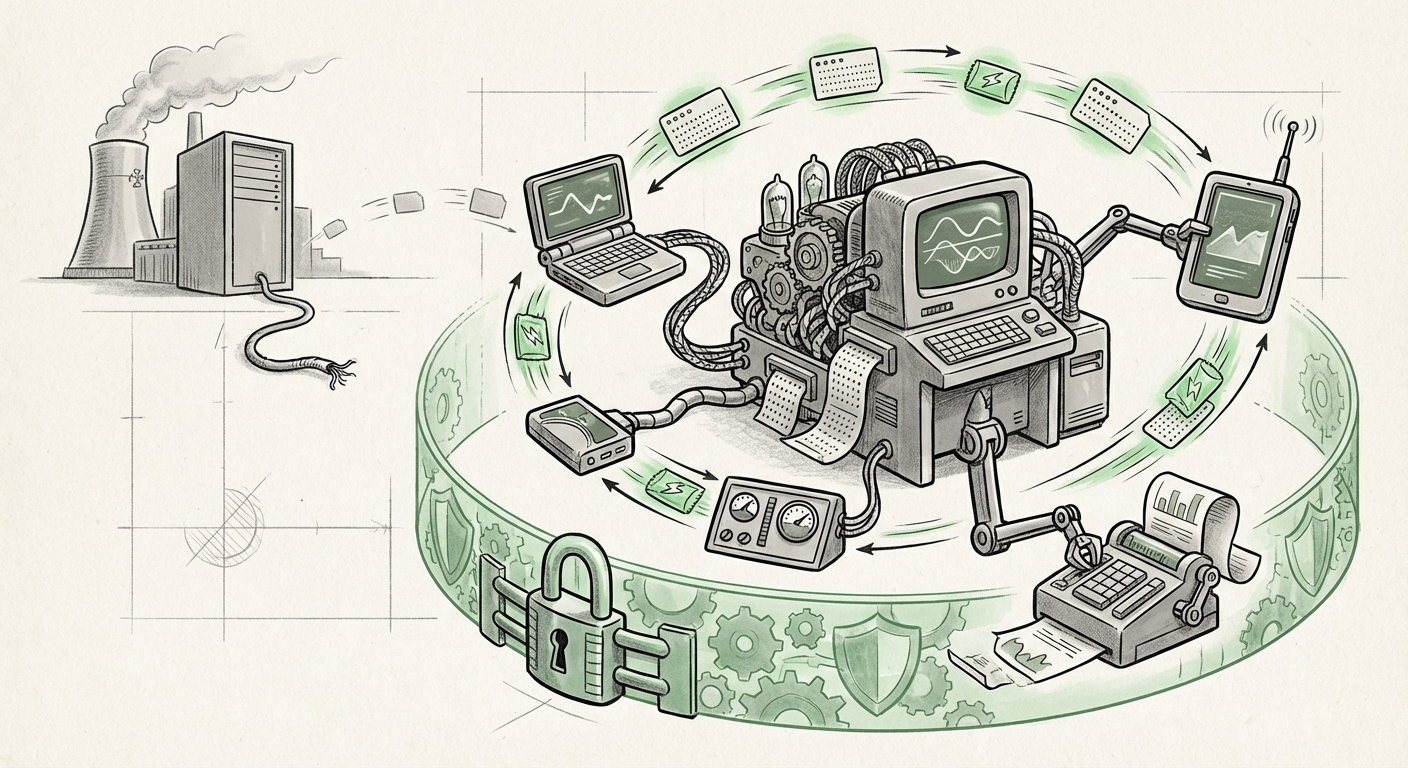
Instead of retreating behind legal walls, the company open-sourced Grok-Build on GitHub. Grok-Build is not just another piece of AI infrastructure; it is the internal toolchain used to train, test, and deploy the Grok language model family. Laying the code out in public view, after a breach, is almost unheard of. It is a high-stakes gambit that forces every player in the AI ecosystem to reconsider their assumptions about security, transparency, and competitive advantage.
By putting the code on a public repository, xAI effectively said, "We are not hiding what we lost — we are giving it away." This is a radical departure from the typical response to a breach, and it carries deep implications for how AI companies will handle similar crises in the future.
Why Open-Source After a Breach? Reading the Strategic Logic
At first glance, open-sourcing a proprietary toolchain after a security incident feels counterintuitive. If the fear is that attackers already have parts of your code, why make the rest of it freely available? The answer lies in a nuanced understanding of trust, control, and the nature of open-source security.
Turning a Weakness into a Strength
When a breach occurs, the attacker gains asymmetric knowledge — they know what they took, but the company may not know the full extent of the exposure. By open-sourcing Grok-Build, xAI eliminates that asymmetry. Everyone — competitors, researchers, security experts, and the broader community — gets the same copy of the code. There is no longer a secret that only the attacker holds. The playing field is leveled.
This is a powerful psychological and practical move. It takes the weapon of stolen code and turns it into a public good. It also forces any malicious actor who thought they had an exclusive advantage to realize their edge has evaporated.
Earning Trust Through Radical Transparency
Trust is the hardest currency to rebuild after a breach. The public, developers, and enterprise customers want to know what was taken, what risks remain, and whether the system is safe. Open-sourcing the code provides a direct answer: "Here is everything. Audit it yourself." This level of transparency is rare in corporate AI, and it sends a strong signal that the company is not trying to obscure the damage.
For the broader AI industry, this raises the bar. In the future, companies that suffer breaches may face pressure to follow a similar playbook — or risk being seen as less trustworthy than those that do.
Accelerating Community Audits and Fixes
One of the key advantages of open-source software is that thousands of eyes can inspect the code. After a breach, this becomes a lifeline. Security researchers, ethical hackers, and the developer community can actively look for backdoors, vulnerabilities, or lingering threats that the internal team might have missed. In effect, xAI turned the entire GitHub community into its incident response team.
This is a blueprint that other AI companies will likely study closely. The traditional approach of locking down systems after a breach has its limits. Opening the code could, paradoxically, be the fastest path to a secure and verified system.
What Grok-Build Being Open Means for the Future of AI Development
The decision to open-source Grok-Build is not just about one company's crisis management. It has lasting implications for how AI models are developed, shared, and governed. Here are the key trends to watch.
Infrastructure Is the New Battleground
For years, the AI race focused on model weights and architectures. Companies kept their training pipelines and toolchains as closely guarded secrets. By open-sourcing Grok-Build, xAI is betting that the real value lies not in the build system itself, but in the data, the fine-tuning process, and the deployment expertise. This could trigger a wave of similar open-source releases from other AI labs, effectively commoditizing the lower layers of the AI stack.
For developers, this is excellent news. It means easier access to production-grade training infrastructure without having to rebuild from scratch. For businesses, it lowers the barrier to entry for building custom AI models, which could accelerate innovation across every industry.
Security by Transparency Becomes a Standard
The old security model — "hide it and hope it's safe" — is increasingly untenable in AI. Models are too complex, dependencies too vast, and attack surfaces too broad. The xAI response demonstrates that radical transparency can be a security strategy, not just a vulnerability. In the future, we may see a new norm: AI companies that open-source their core infrastructure as a proof of their security posture.
Businesses that rely on third-party AI systems will start demanding this kind of transparency. If a vendor's code is not open for audit, questions about security and trust will become unavoidable.
Community Governance and the End of AI Black Boxes
Grok-Build on GitHub is now a community asset. Anyone can fork it, submit pull requests, report bugs, or propose improvements. This shifts governance from a single company to a distributed ecosystem. Over time, this could lead to a more decentralized AI development process — one where no single entity controls the tools that shape the technology.
This is both exciting and challenging. Community-driven development can be messy, but it also tends to produce more robust and adaptable systems. For society, it means that AI infrastructure becomes more like a public utility and less like a proprietary secret.
Business Implications: What Leaders Need to Know
This event is not just a tech story — it is a business story. For executives, product leaders, and strategy teams, the implications are concrete and actionable.
Rethinking IP Strategy in the Age of AI
The decision to open-source after a breach challenges the assumption that intellectual property must be kept secret to retain value. xAI is signaling that sometimes, giving away the code is the best way to protect the business. Leaders should revisit their own IP strategies and ask: Is our AI infrastructure truly a competitive advantage, or is it a liability that would be safer as an open asset?
This is particularly relevant for companies building internal AI tools. If those tools are not a differentiator, open-sourcing them could attract community contributions and reduce maintenance costs.
Preparing for a New Standard in Incident Response
The cybersecurity playbook for AI companies is about to be rewritten. If open-sourcing after a breach becomes a trend, every organization needs to have a plan for how they would handle such a move. That means keeping code modular, well-documented, and ready for public release at any time. It also means having a communications strategy that frames transparency as strength, not weakness.
For businesses that buy AI services, this sets a new expectation: If your vendor suffers a breach, you may want them to open-source the affected components for independent verification. This could become a contractual requirement.
Opportunities for Developers and Startups
The release of Grok-Build on GitHub opens up significant opportunities. Developers can study how a production-grade AI training pipeline works, build on top of it, and create new tools that integrate with it. Startups can use it as a foundation for their own AI offerings without needing to invest months in infrastructure development.
This democratization of AI tooling is likely to spur a wave of innovation in areas like model optimization, data pipeline management, and deployment automation. The companies that move fast to leverage these open resources will have a head start.
Societal Implications: Trust, Security, and the Open Future
Beyond boardrooms and code repositories, this story touches on deeper questions about how society interacts with AI.
Rebuilding Public Trust Through Openness
Public trust in AI companies is fragile. High-profile failures, biased models, and security lapses have eroded confidence. A move like open-sourcing after a breach has the potential to rebuild some of that trust, but only if it is genuine. The community will quickly notice if the open-sourced code is incomplete, outdated, or strategically sanitized.
If this move is seen as authentic, it could set a precedent for how AI companies can earn public trust through radical openness rather than marketing campaigns.
The Risk of Weaponized Open-Source
It would be naive to ignore the risks. Open-sourcing a training toolchain means that malicious actors also gain access to the code. They could look for vulnerabilities, or use the toolchain to train harmful models. The same transparency that enables community audits also enables bad actors.
This tension — open versus safe — is one of the defining challenges of modern AI. The xAI decision forces a public conversation about where the line should be drawn, and whether the benefits of openness outweigh the risks in a high-stakes environment.
A Template for Future AI Governance
Governments and regulators are struggling to keep pace with AI development. The open-source release of Grok-Build provides a case study that could inform future policy. How should regulators treat open-source AI infrastructure? Should disclosure be mandatory after a breach? What level of openness is required for consumer protection?
This event will be studied in policy circles for years to come. It is a real-world test of the idea that sunlight is the best disinfectant — even when the sunlight reveals a messy, compromised system.
Actionable Insights: What You Can Do Now
Whether you are a developer, a business leader, or a policy professional, there are practical steps you can take in light of this development.
- Audit your own AI dependencies. If your organization uses any AI infrastructure that is closed-source, start a conversation with your vendors about their transparency policies. Ask how they would handle a breach.
- Explore the open-sourced Grok-Build code. For developers, this is a learning opportunity. Clone the repository, study the architecture, and consider contributing. Familiarity with this toolchain could become a valuable skill.
- Review your incident response plan. Assume that a breach is not a matter of if, but when. Build scenarios that include open-sourcing code as a potential response strategy. Understand the legal, technical, and communication implications in advance.
- Join the community conversation. The future of AI governance will be shaped by those who participate. Engage in forums, submit issues, and help shape the norms that will define how open-source AI infrastructure is maintained and secured.
- Educate your team on security-through-transparency. Break the reflex of hiding code by default. Help your team understand that in many cases, openness can be a stronger security posture than secrecy.
Conclusion: A Hard Lesson That Could Change Everything
The massive data breach that hit xAI was unquestionably a crisis. But the response — open-sourcing Grok-Build on GitHub — may turn that crisis into a turning point for the entire AI industry. It challenges long-held assumptions about secrecy, security, and community. It offers a template for turning vulnerability into trust. And it forces every leader, developer, and policymaker to ask a fundamental question: In an age where data can escape at any moment, is the safest play to lock everything down, or to let everyone in?
The answer is not simple, and it will vary by context. But the xAI move makes one thing clear: the era of the AI black box is ending. Whether by design or by disaster, the code is coming out into the light. The question now is whether the rest of the industry will follow — and whether we, as a community, are ready to handle the transparency we have been asking for.