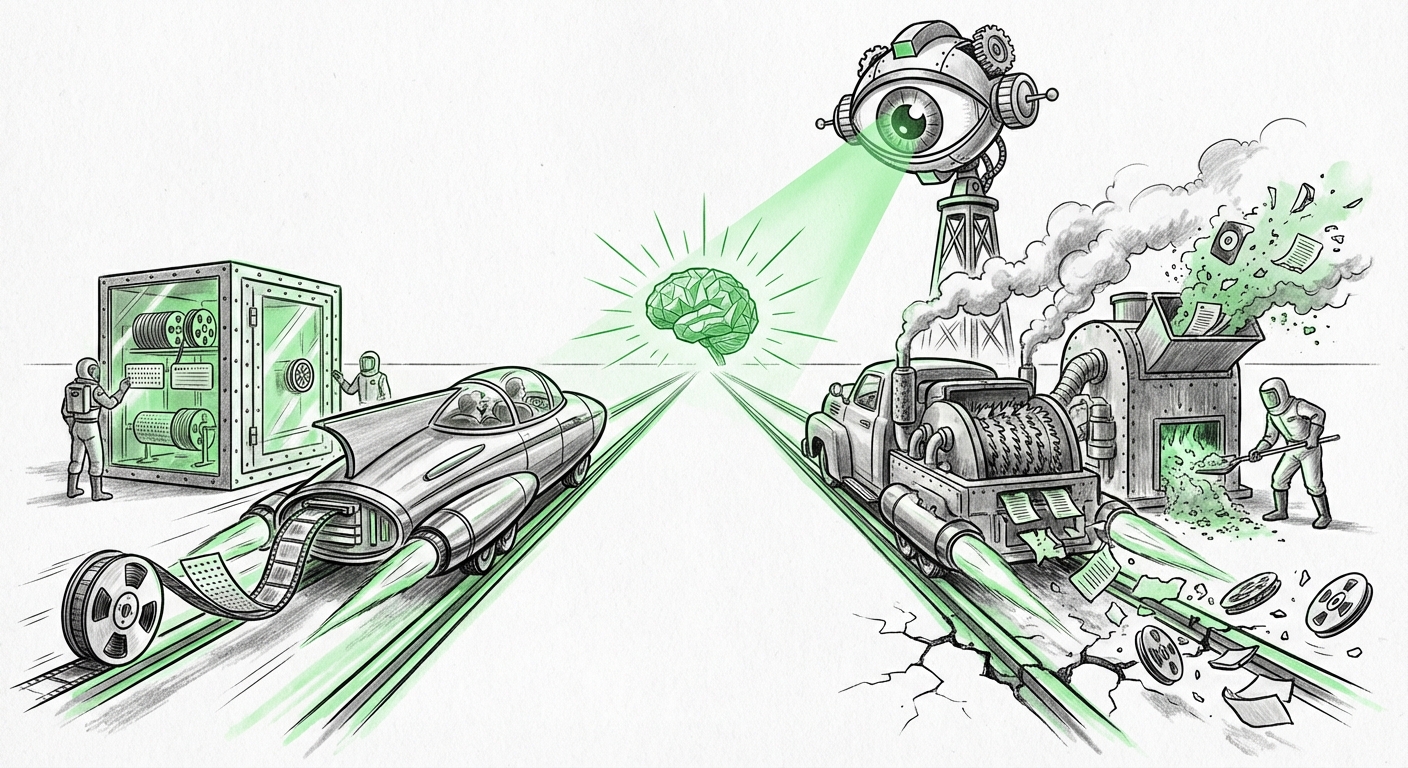
Meta’s AI Compute Sell-Off: What the Anthropic Deal Means for the Future of AI
In a move that signals a major shift in the AI infrastructure landscape, Meta—under Mark Zuckerberg’s leadership—is preparing to sell off its excess AI computing capacity, and the first big customer is shaping up to be Anthropic. This isn’t just another business deal. It’s a sign of how the AI industry is evolving from a land grab for chips to a more mature market where compute becomes a traded commodity.
For years, the narrative has been that AI runs on scarcity. GPUs from NVIDIA, TPUs from Google, and other accelerators have been in short supply, driving up costs and giving a handful of tech giants an almost insurmountable advantage. Now, Meta’s massive investment in AI data centers is creating a surplus, and the company sees an opportunity to turn that surplus into a revenue stream. Anthropic, the AI safety startup behind the Claude family of models, is reportedly in talks to become the first major customer. This article unpacks what this development means for the future of AI, how it changes the playing field for businesses, and what actionable takeaways we can draw from it.
The Backstory: From Scarcity to Surplus
Meta has been on a building spree. Over the past few years, the company poured tens of billions of dollars into AI infrastructure, constructing data centers packed with powerful GPUs and custom silicon. The goal was to train and run cutting-edge models for its own products—Facebook, Instagram, WhatsApp, and the metaverse. But as with any massive procurement, there’s a gap between peak demand and steady-state usage. Even with internal needs, Meta now finds itself with idle compute cycles.
Rather than let those expensive chips sit unused, Zuckerberg is exploring a plan to sell that excess capacity to external customers. This is a departure from the traditional model where cloud providers like AWS, Microsoft Azure, and Google Cloud are the gatekeepers of AI compute. Meta is essentially creating a new marketplace for raw computing power, bypassing the middleman. And Anthropic, a company that needs enormous compute for training and inference but doesn’t own its own fleet of chips, is the perfect first customer.
What This Means for the Future of AI
1. Democratization of Compute Gets a Boost
The biggest takeaway is that access to AI compute may become more competitive. Until now, startups and even mid-sized enterprises have faced long waitlists and sky-high prices for GPU instances. If Meta—and potentially other social media or tech companies with excess capacity—starts selling compute directly, the pricing pressure could bring down costs. This is especially important for AI labs like Anthropic, which rely on compute for both training massive models and running them for users. Lower costs mean more money can go into research, safety, and product development.
2. A New Business Model for AI Infrastructure
Meta’s move could be the start of a “compute brokering” trend. Instead of building their own clouds, many companies are sitting on underutilized hardware. If they can sell that capacity, it turns a fixed cost into a variable revenue stream. We might see a secondary market for AI compute emerge, where companies trade cycles like electricity on a grid. This would break the monopoly of the big three cloud providers and give innovators more options.
3. Competitive Shifts Among AI Labs
Anthropic gains a significant advantage by securing compute from Meta. The startup can now train and serve models at scale without waiting for cloud resources or building its own data centers. This levels the playing field with OpenAI, which has strong ties to Microsoft’s Azure, and Google DeepMind, which uses its own internal infrastructure. If Meta’s compute becomes widely available, we could see a wave of new AI startups that don’t need to raise hundreds of millions just for compute—they can lease it from Meta and others.
4. The Rise of “Wholesale AI Compute”
Just as the energy market has wholesale suppliers, the AI compute market is moving in that direction. Meta is becoming a wholesaler of GPU cycles. This could lead to new intermediaries—brokers that aggregate excess capacity from multiple sources and sell it to developers. The result would be more resilient, cheaper, and more accessible AI computing for everyone.
Practical Implications for Businesses and Society
For Startups and Small Businesses:
If you’re building an AI-powered product, pay attention. The deal between Meta and Anthropic suggests that soon you might be able to buy compute directly from companies that have spare capacity, rather than only from traditional cloud providers. This could mean lower prices, more flexible contracts, and less dependency on a single vendor. Startups should start exploring alternative compute sources and keep an eye on Meta’s announcements.
For Large Enterprises:
Big companies that over-provisioned AI hardware for internal projects have a new lever: they can monetize their unused capacity. This turns your data center from a cost center into a profit center. However, it also introduces security and governance challenges—you don’t want sensitive customer AI workloads side by side with your own models. Enterprises will need to build secure multi-tenant environments to safely sell excess compute.
For Society:
More compute availability at lower prices can accelerate AI research, including work on safety, alignment, and beneficial applications. But there’s a flip side: if compute becomes cheap and abundant, it might also enable faster development of risky capabilities, from deepfakes to autonomous weapons. Policymakers need to think about how to balance access with responsible use. The Meta-Anthropic deal also raises questions about data privacy—will the compute hardware be physically separated from Meta’s core services? How will Meta ensure that Anthropic’s models don’t accidentally train on Meta’s data? These are governance issues the industry must address.
Actionable Insights for AI Leaders
- Diversify Your Compute Sources: Don’t lock yourself into a single cloud provider. Watch for new offerings from companies like Meta that sell excess capacity. Negotiate early to lock in favorable rates.
- Evaluate Your Own Infrastructure: If your organization has spare GPU cycles, explore selling them through private marketplaces or partnerships. This can offset your AI infrastructure investments.
- Plan for Price Volatility: As compute becomes more commoditized, prices may fluctuate based on supply and demand. Build financial models that can handle variable costs.
- Prioritize Security and Isolation: If you buy compute from a third-party like Meta, ensure that your workloads are isolated from others. Use virtual private clouds, encryption, and strict access controls.
- Watch for Regulatory Developments: The ease of buying compute could invite new regulations around “compute as a service.” Stay informed about potential rules on AI model training transparency and safety.
What’s Next?
The Meta-Anthropic deal is likely just the beginning. We expect other tech giants with massive AI infrastructure—like Apple, X (formerly Twitter), or even AI-native companies like Cohere—to start exploring similar sales of excess capacity. This will create a vibrant secondary market for AI compute, fundamentally changing the economics of AI development.
For users, this means more powerful AI models will be built faster, and the cost of using AI will drop. For businesses, it means the barriers to entry are lowering. For society, it means we need to have a serious conversation about how to ensure this powerful technology is used for good. The future of AI is not just about smarter algorithms—it’s about who gets to run them and at what cost. Zuckerberg’s plan to sell excess compute is a step toward a world where AI is as ubiquitous and affordable as electricity.