Samsung's Billion-Euro Bet on Europe's Hottest AI Startup: What It Means for the Future of Artificial Intelligence
In a move that is sending shockwaves through the global technology landscape, Samsung is reportedly deepening its artificial intelligence empire with a potential billion-euro stake in Europe's most exciting AI startup. This isn't just another investment round. It is a powerful signal that the future of AI will be shaped by deep-pocketed global giants racing to secure the best talent, the most advanced algorithms, and the most promising innovations emerging from outside the traditional Silicon Valley bubble.
For anyone watching the AI space closely, this development raises a critical question: What does a massive investment from a South Korean electronics titan into a European AI darling mean for how we will all use AI in the years ahead? The answer is as much about geopolitics, hardware, and everyday applications as it is about the technology itself.
The Big Picture: Why Samsung Is Betting Big on European AI
Samsung is already a household name. You probably know them for smartphones, TVs, memory chips, and home appliances. But behind the scenes, Samsung has been quietly building one of the world's most formidable technology and semiconductor empires. AI is the engine that makes their devices smarter, their chips more efficient, and their factories more productive. Investing a billion euros in a leading European AI startup is not a side bet—it is a core strategy.
Europe has emerged as a surprising but powerful hub for cutting-edge AI research and development. The continent has produced world-class talent, especially in areas like deep learning, computer vision, natural language processing, and ethical AI. Stricter privacy regulations have forced European startups to innovate in ways that respect user data while still delivering powerful AI. That combination—technical brilliance plus a commitment to responsible innovation—makes European AI startups incredibly attractive to global players like Samsung.
By placing a billion-euro stake in this unnamed European startup, Samsung is doing several things at once. It is gaining access to proprietary technology and research. It is locking in a partnership that can feed AI capabilities directly into its product lines—from the next Galaxy phone to smart home devices, medical imaging equipment, and industrial robots. And it is sending a clear message to rivals like Apple, Google, and Microsoft that Samsung intends to be a leader, not a follower, in the AI era.
What This Means for the Future of AI: Five Key Trends
Let's break down the most important implications of this mega-investment for where AI is headed and how it will touch our lives.
1. AI Is Becoming a Global, Multi-Polar Race
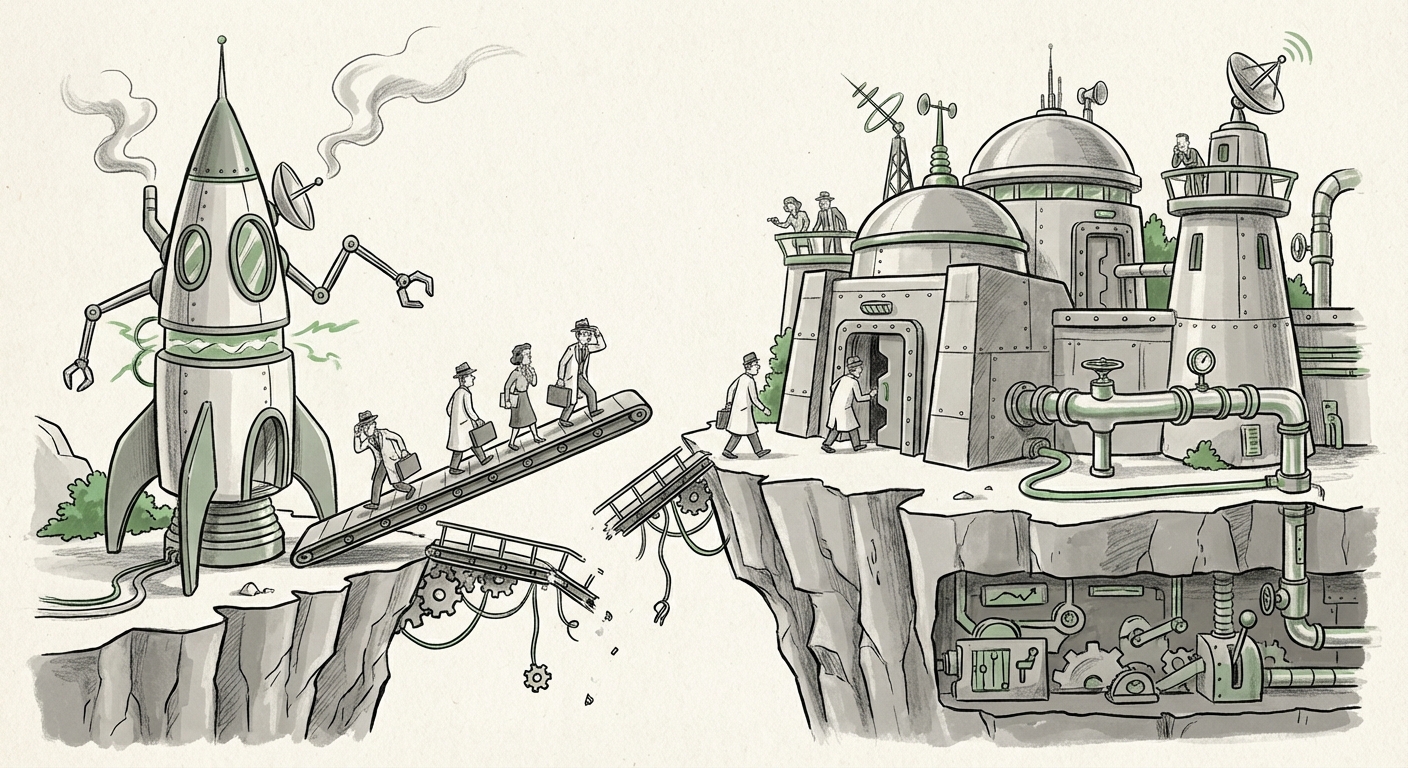
For years, the narrative around AI has been dominated by the United States and China. Silicon Valley giants and Chinese tech companies have grabbed the headlines. Europe, despite its strong research base, was often seen as a regulation-heavy environment that struggles to commercialize innovation at scale. This investment turns that old story on its head. A major Asian conglomerate is placing a nine-figure bet on European ingenuity. It proves that the best AI ideas can come from anywhere, and that capital will flow to wherever the talent and ideas are—regardless of geographic boundaries. The future of AI will be more distributed, with innovation hubs in Seoul, Berlin, Paris, London, and beyond all competing and collaborating.
2. On-Device AI Will Get a Massive Boost
Samsung's core strength is hardware—especially semiconductors and mobile devices. A billion-euro AI investment is almost certainly aimed at bringing more powerful AI capabilities directly onto devices, rather than relying solely on the cloud. This is called on-device AI, and it is one of the biggest trends in the industry. When AI runs on your phone or refrigerator instead of a distant server, it is faster, more private, and works even without an internet connection. Expect future Samsung products to feature AI that understands your voice, predicts your needs, and processes images and video locally. The European startup's technology could be the secret sauce that makes that leap possible.
3. Specialized, Vertical AI Will Matter More Than General Models
While the world has been fascinated by large language models and general-purpose AI chatbots, the most valuable commercial applications often come from specialized AI. A startup that can solve a specific problem really well—say, optimizing energy use in factories, diagnosing diseases from medical scans, or making cars safer—can be worth billions. Samsung's investment suggests they are looking for deep, vertical expertise rather than another general-purpose model. The future of AI will favor startups and companies that master a particular domain, rather than trying to do everything.
4. Privacy and Ethical AI Are Becoming Competitive Advantages
European startups have grown up under the shadow of GDPR and other strict data protection laws. That has forced them to build AI that respects user privacy by design. Samsung, which sells products in every market around the world, knows that privacy is increasingly a selling point. By investing in a European startup, Samsung is likely buying into a culture of responsible AI that can help them avoid regulatory headaches and win customer trust. The message is clear: the future of AI will not just be about what AI can do, but how it does it. Ethical frameworks and privacy-preserving techniques will be major differentiators.
5. The Lines Between Hardware and Software Are Blurring
Samsung is a hardware giant, but hardware alone is no longer enough. The most successful tech companies of the next decade will be those that tightly integrate hardware, software, and AI into seamless experiences. This investment shows that Samsung understands that owning the AI layer is essential to staying relevant. You cannot just make screens and chips anymore. You have to build intelligence into everything. The European startup's algorithms could end up inside millions of devices—from phones and watches to washing machines and industrial robots. The future of AI is not separate from hardware; it is embedded in it.
What This Means for Businesses and Society
The ripple effects of a billion-euro AI investment go far beyond Samsung's balance sheet. Here is how businesses and everyday people will feel the impact.
For Businesses: A Wake-Up Call to Invest in AI Partnerships
If the world's largest electronics company believes in European AI enough to commit a billion euros, then every business—big or small—should be asking itself how it can tap into the AI ecosystem. Partnerships, strategic investments, and acquisitions will become the norm. Companies that wait on the sidelines risk being left behind. The lesson is that AI expertise is not something you can always build internally from scratch. Sometimes the smartest move is to invest in the best minds and technologies, wherever they are located.
For Society: More Useful, Less Creepy AI
One of the most promising aspects of this story is the emphasis on European-style AI, which tends to prioritize transparency, fairness, and user control. As global giants like Samsung adopt these values, the AI we interact with daily could become more trustworthy. Instead of feeling like AI is spying on you or making decisions without explanation, you may find that it genuinely helps you manage your health, save energy, drive more safely, or work more creatively. This investment could accelerate the shift toward AI that is both powerful and respectful.
For the Workforce: New Skills and New Roles
Massive AI investments create demand for people who can build, deploy, and manage intelligent systems. But they also change the skills that workers need. The future will belong to those who can collaborate with AI—using it as a tool to amplify their own abilities. Samsung's move will likely create thousands of jobs, both in Europe and at Samsung's global operations, for AI engineers, data scientists, ethicists, and product managers. It also means that workers in traditional roles will need to become comfortable working alongside AI-driven tools.
Actionable Insights: What You Should Do Right Now
This story is not just for industry insiders to analyze. It offers concrete lessons for anyone who wants to prepare for the AI-shaped future.
- Pay attention to European AI. If you are looking for the next big innovation in AI, do not limit your search to Silicon Valley or Shenzhen. Europe is producing world-class startups, and this investment proves that global capital is taking notice. Follow European research labs, attend European AI conferences, and consider partnerships with European firms.
- Think about on-device AI. Whether you are a developer, a product manager, or a business owner, start exploring how AI can run locally on devices. Privacy is becoming a top concern for consumers, and on-device AI is a powerful way to address it. Apple and Samsung are both moving in this direction—your products should too.
- Prioritize ethics and privacy. The market is sending a loud signal that responsible AI is not just a nice-to-have; it is a competitive advantage. If your organization uses AI, invest in fairness, transparency, and data protection. It will pay off in trust and loyalty.
- Build or join an AI ecosystem. No single company can do everything alone. Samsung's billion-euro stake is a bet on ecosystem thinking. Whether through partnerships, open-source contributions, or strategic investments, find ways to connect with the broader AI community. The future of AI will be built by networks, not silos.
- Develop AI literacy at every level. From the C-suite to frontline employees, everyone needs a basic understanding of what AI can and cannot do. Invest in training, workshops, and experimentation. The companies that understand AI best will be the ones that benefit most.
Looking Ahead: The New Rules of AI Competition
This billion-euro investment marks a turning point. We are entering a phase where AI competition is no longer confined to a few big tech companies in a few countries. It is becoming a truly global, multi-dimensional contest. Samsung's move shows that the companies that win will be those that combine hardware strength, software intelligence, global reach, and local talent from wherever it emerges.
For the rest of us, the implications are clear. The AI tools and services we use in our daily lives will become more powerful, more personal, and more private. They will work seamlessly across devices and environments. They will be built with European-style values of transparency and fairness. And they will be powered by investments that span continents and industries.
The future of AI is not being written in one place. It is being written in laboratories in Paris, boardrooms in Seoul, and design studios around the world. And with a billion-euro stake in Europe's hottest AI startup, Samsung just placed a very big bet on what that future will look like.
The only question that remains is whether the rest of the world is ready to take notice and act. Because if there is one thing this story teaches us, it is that the AI revolution is accelerating, and the window for getting on board is closing fast. Whether you are a tech giant or a small business, the time to invest in AI—strategically, thoughtfully, and boldly—is now.