AI Video Just Got Its Voice: ByteDance’s Seedance 2.5 Creates 30-Second Clips with Built-In Audio
For the last few years, AI video felt like watching television with the mute button stuck on. You could see almost anything you could type, but the silence reminded you it was all synthetic. That era may be ending. ByteDance has unveiled Seedance 2.5, an AI video model that generates 30-second video clips with built-in audio. It is not just a small upgrade. It is a signal that the future of AI media is no longer about pictures alone, but about complete, rich, multisensory scenes created from a single prompt. This is the kind of leap that changes how businesses think, how creators work, and how everyday people consume digital content.
In this article, we will unpack what Seedance 2.5’s arrival means, why built-in audio is such a big deal, and how this trend will shape the next chapter of artificial intelligence. Whether you run a marketing team, teach a class, or just love creating videos, this shift will touch you sooner than you think.
A New Kind of AI Video
AI video generation has moved fast. A few years ago, getting a few seconds of fuzzy, surreal footage was a miracle. Not long after, models could produce longer, sharper clips, but almost always without sound. Creators were forced to add music, voiceovers, and sound effects in separate steps using separate tools. It worked, but it broke the magic of one-click creation. It also limited what could be made by people without editing skills.
Seedance 2.5 changes the core promise of AI video. The model doesn’t just make moving pictures; it makes a whole audiovisual scene in a single generation. Those 30 seconds can include ambient noise, speech, music, and other sounds that belong naturally to the visuals. You type a description, and the AI returns a short film clip with sound already baked in. This is not about patching audio on afterward. The sound is born with the image, as part of the same creative process.
That detail matters more than it might seem. The hardest part of making something feel real is the synchronisation between what we see and what we hear. When audio and video come from separate pipelines, small mismatches appear: footsteps that miss the beat, doors that close a fraction too late, rain that sounds like static. Seedance 2.5’s built-in audio is designed to avoid those cracks. The result is a much more believable clip, and believability is everything in media.
Why 30 Seconds Is the Sweet Spot
Thirty seconds might not sound like a lot, but think about how we actually consume video today. Short-form platforms have trained us to expect quick, punchy content. A 30-second clip is long enough to tell a micro-story: a character opens a door, storms roll in, a song starts, a product shines. It is short enough to generate quickly and with high quality. For businesses and creators, 30 seconds is often all you need for a social media ad, an explainer, a trailer, or a teaser.
More importantly, the length helps the AI stay consistent. The longer a video generation runs, the harder it is to keep characters, lighting, and sound coherent. By focusing on 30 seconds, Seedance 2.5 can deliver a reliable, polished result. This makes the tool practical, not just a novelty. It means someone without a film crew can produce a short dramatic scene with dialogue and background noise in minutes. That is a massive equaliser for creativity.
Sound Is More Than a Bonus Feature
To understand why built-in audio is revolutionary, we have to remember that sound is more than half of what we feel when we watch something. A horror scene without music is just a person walking through a hallway. With the right drone, that same hallway makes our hearts race. A comedy without timing beats falls flat. A nature documentary without birdsong loses its soul. Audio carries emotion, pacing, and context. It tells our brains what matters and how to react.
AI that can generate audio alongside video is therefore not just adding a new channel. It is unlocking the emotional authenticity that makes video feel meaningful. This is what moves AI from a toy that makes interesting GIFs to a tool that creates genuine experiences. For the first time, a model can think in terms of a complete scene: the image, the movement, the room tone, the voice, the music. That is a much richer form of intelligence than simple image generation.
What This Means for the Future of AI
Seedance 2.5 is one product, but it represents a broader trend: the rise of multimodal foundation models. Multimodal means a model can understand and create more than one type of content at once. Text models gave us words. Image models gave us pictures. Video models gave us motion. Now we are seeing models that combine vision and sound together in a single, unified output. This is the path toward AI that sees, hears, speaks, and performs.
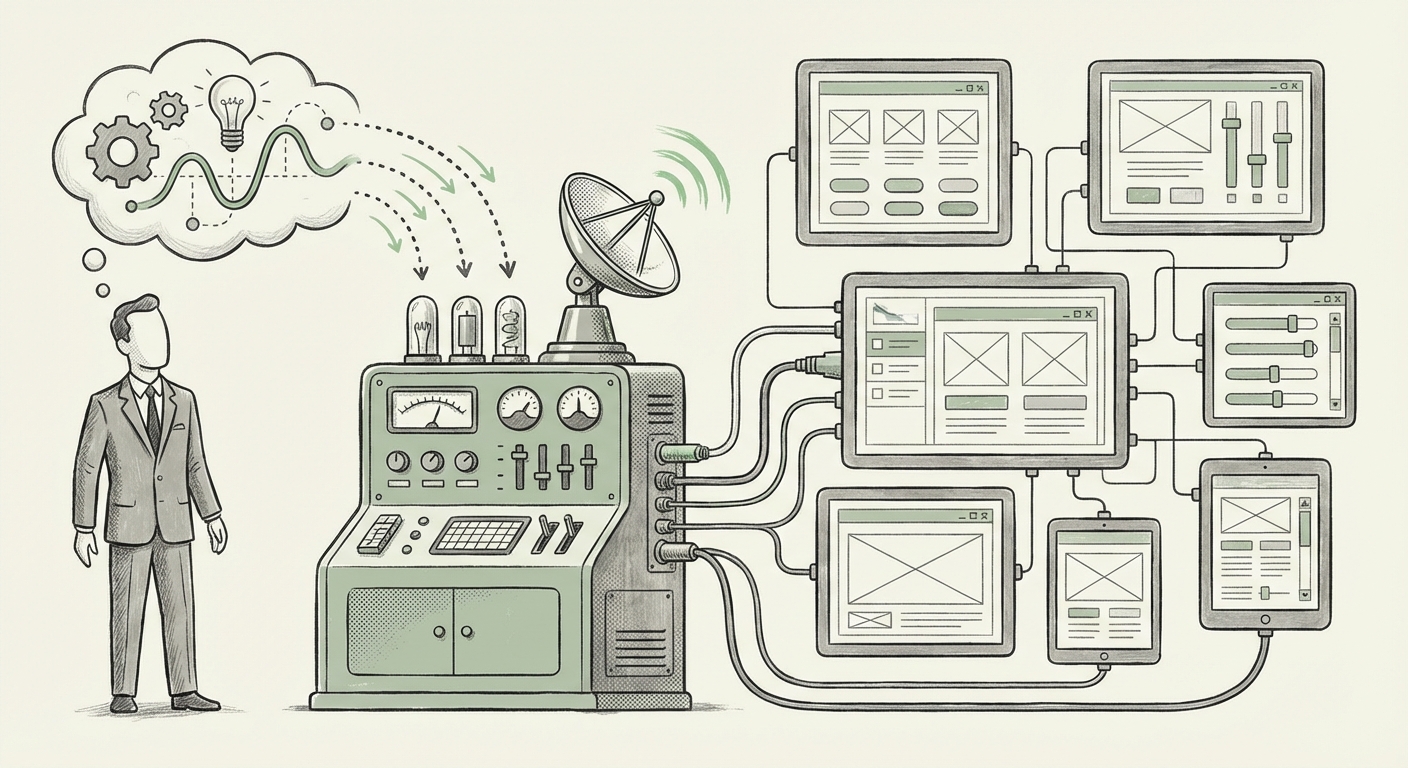
The future of AI is not going to be a list of separate tools for separate jobs. It will be one model that can take a simple instruction and produce a complete narrative experience. Imagine telling an AI: “Make a calm morning scene by a lake with birds, soft water sounds, and a gentle breeze.” The next generation of models won’t need a video renderer plus a sound library plus a mixing board. They will simply create the whole thing. Seedance 2.5 is a preview of that unified creative pipeline.
This also pushes AI closer to true world modelling. When a model must generate both sight and sound, it has to learn physical and causal relationships: objects make noise when they move, voices match faces, silence communicates tension. Building those connections makes the AI smarter in ways that will eventually help fields beyond entertainment, from robotics to virtual reality to simulation-based training.
Practical Implications for Businesses
For business owners, marketers, and content teams, the immediate benefit is speed and cost. Producing professional video with clean audio usually requires cameras, microphones, actors, or licensed stock footage. With a tool like Seedance 2.5, much of that expense can be replaced by a well-written prompt. A regional retail brand can create a 30-second television-quality ad for multiple products in an afternoon. A non-profit can produce an emotional public service announcement without hiring a production agency.
The technology also enables rapid experimentation. Have an idea for a campaign? Generate ten versions, each with different music, tones, and imagery, and show them to a focus group before spending real money. Manual shooting would take weeks; AI generation takes minutes. This kind of flexibility is a competitive advantage in a world where attention is scarce.
Customer-facing businesses can use realistic audio-video content for tutorials and onboarding. Instead of a static manual, users get a short narrated demonstration. E-commerce stores can show products in action with the satisfying sounds of zippers, clicks, or pouring liquid. Real estate agents can create virtual walkthroughs with ambient ambience. The ability to include appropriate sound makes these experiences far more engaging and persuasive.
Impact on Creators and Entertainment
Independent creators are perhaps the biggest winners. Many talented storytellers lack the budget for sound design. Seedance 2.5 puts the whole toolbox in one place. A solo YouTuber can generate an animated intro with a voice-like narration. A podcast host can create promotional video clips with background music. A musician can produce a lyric video with matching visuals and audio, all generated from a single idea.
Traditional production companies will feel pressure too. If anyone can generate a 30-second cinematic scene with sound, the value of simple stock footage drops. Producers will need to focus on original stories, strong writing, and human performances. AI will handle the busywork, but the demand for creative vision will only grow. That is not a threat; it is a change in the division of labour.
Societal and Ethical Considerations
As with any leap in media generation, there are real concerns. The most obvious is misinformation. Believable fake audio and video is already a problem. When sound and picture can be produced together automatically and convincingly, fabricating a realistic clip becomes even easier. A false video of a public figure or a fake news report with matching audio could spread quickly. Society will need strong detection tools, watermarking standards, and clear labelling so people can tell synthetic content apart from real footage.
There is also the risk of undermining trust. If every video could be fake, people might stop believing anything they see online. That would harm journalism, courtrooms, and democratic debates. The same technology that empowers creators can be used by bad actors. It is essential that developers add safeguards, but it is equally important that platforms and governments create rules for responsible use. Media literacy will become a necessary skill for everyone.
Another consideration is artistic labour. Sound engineers, voice actors, and foley artists might see some tasks automated. But history suggests that new tools create new roles. The demand for human creativity, emotional nuance, and ethical judgement will remain. The goal should not be to block the technology, but to steer it toward a future where people are aided, not replaced.
Actionable Insights for You
If you want to prepare for this new wave of AI media, here are practical steps you can take today:
- Learn the art of prompting. The quality of the video and audio depends on how well you describe scenes, sounds, mood, and pacing. Practice writing clear, vivid prompts with both visual and acoustic details.
- Audit your content pipeline. Look for tasks in your organisation that combine visuals and voice. Could a 30-second explainer replace a dense email? Could a product demo beat a photo gallery?
- Protect authenticity. If you publish AI-generated video, add labels. Be transparent with your audience. Trust is more valuable than ever, and honesty about synthetic media builds credibility.
- Set up approval workflows. Human review is still necessary for brand safety and ethics. Enable a person to check every AI output before it goes live, especially when it includes realistic voices or people.
- Watch for updates. This space evolves monthly. Tools like Seedance 2.5 will keep improving. Stay curious and test new models as they arrive, but remain careful with sensitive projects.
The Road Ahead: From Clips to Stories
The arrival of Seedance 2.5 with 30-second clips and built-in audio is not the end of the journey. It is a stepping stone. Future models will likely produce longer videos, multi-scene narratives, and richer soundscapes. They might allow interactive control, where the viewer chooses the perspective or the mood. They might integrate with virtual reality and gaming. The combination of sight and sound is only the beginning; smell and touch may follow through other devices, but the brain’s two most important channels are already covered.
For anyone watching the AI industry, the lesson is clear: the race is not about building models that mimic one human skill. It is about building models that can create whole worlds. When a machine can decide how a scene looks and how it sounds in the same thought, it is no longer just an image generator or a video tool. It is a storyteller. That blurring of boundaries will define the next era of AI.
ByteDance’s Seedance 2.5 may be only one model, but it shows the direction of the entire field. In the future, we will not say “AI made a video” and “AI added audio” as two separate steps. We will simply say “AI made a film.” That future is arriving fast, and everyone from marketers to filmmakers should be ready. If you have been waiting to explore AI video, there has never been a better time. The silence is over.