OpenAI Brings ChatGPT to Linux: What It Means for the Future of AI
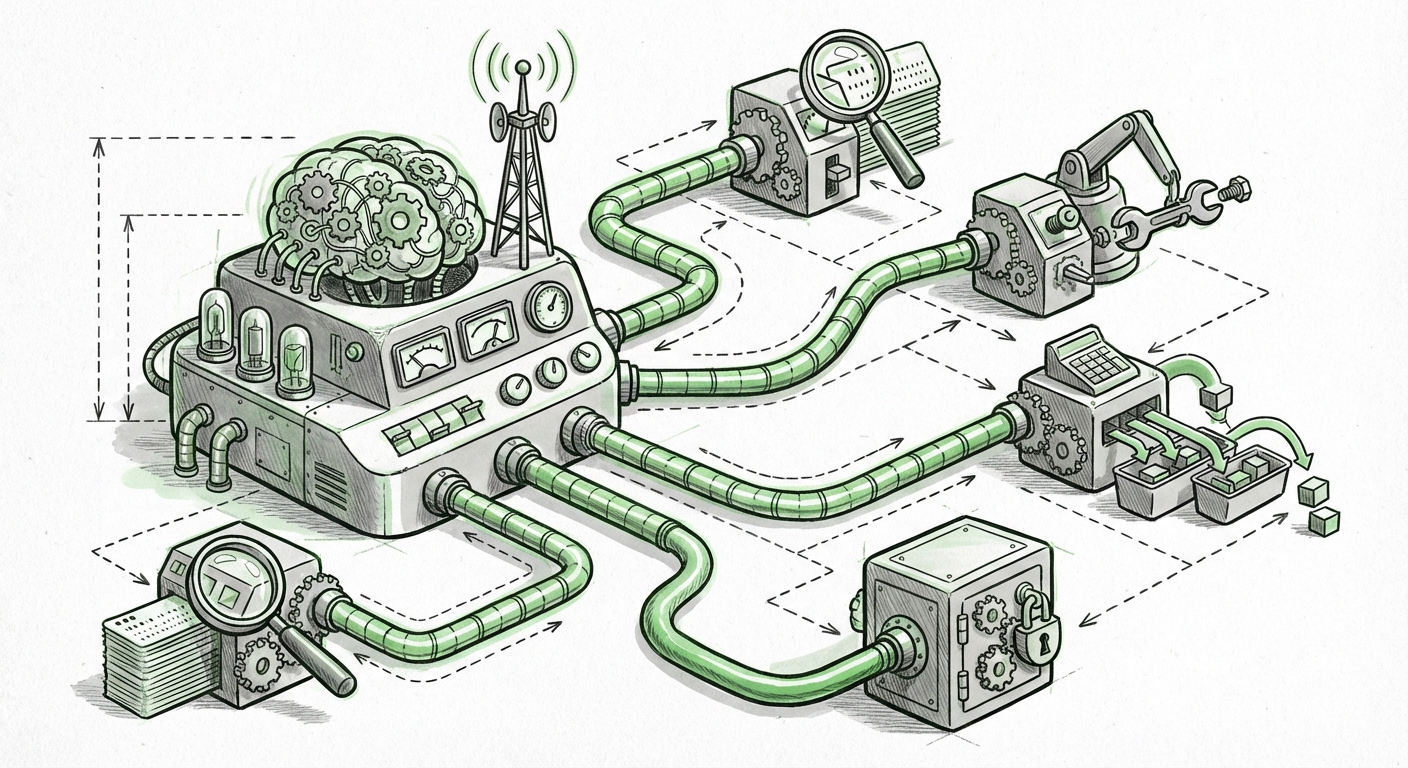
OpenAI has launched a ChatGPT desktop app for Linux. On the surface, that sounds like a simple product update. But in the world of artificial intelligence, it is a significant moment. Linux is not just another operating system. It is the engine room of the internet, the home of cloud computing, and the operating system of choice for most AI development. By putting ChatGPT directly on the Linux desktop, OpenAI is signaling that AI belongs not in a browser tab, but right where the work actually happens.
This article breaks down what the launch means for developers, businesses, and everyday users. It also explains why this moment points toward a future where AI is built into the tools we use all day, rather than visited like a website.
Why Linux Is the Heart of the AI World
To understand why this launch matters, you first have to understand what Linux is. Linux is an open-source operating system. That means its code is public, and anyone can view it, modify it, and improve it. If the internet were a city, Linux would be the foundation of nearly every building in it. The servers that run websites, apps, banks, and cloud services mostly run on Linux. The world's most powerful supercomputers run on Linux. And crucially, the vast majority of artificial intelligence is developed on Linux machines.
Think about that. The people who are building the future of AI — researchers, data scientists, and developers — do their work inside Linux every day. They train models in Linux data centers. They write code in Linux environments. They move data through Linux pipelines. For this community, ChatGPT on the Linux desktop is not just a convenience. It is AI finally showing up where these builders actually live and work.
There is also a cultural meaning. Linux users value openness, control, and quality. They are often the first to embrace powerful tooling and the quickest to reject anything that feels cheap. When a company builds a real desktop application for Linux, it sends a message to that community: we take you seriously.
The Shift From Browser to Desktop
For most people, using AI today means opening a web browser and typing into a chat window. Browsers are useful, but they have limits. A website competes with every other tab you have open. It demands your attention as a separate destination. It is not part of your day; it is a detour away from your day.
A desktop app changes that relationship. Desktop apps sit right where you work. They can open quickly, rest beside your other tools, and become a familiar part of your machine. A web app is like visiting a friend across town. A desktop app is like having that friend live in your kitchen. Over time, tools that are easy to reach become tools we actually use.
This launch is a sign that AI is maturing. It is moving from a flashy webpage to a serious work tool. That shift toward native, installed software echoes how other technologies grew up. Email started in research labs, moved to websites, and finally became part of our phones and operating systems. AI is following the same path.
What This Means for Developers
Developers are often the first people to adopt new AI tools, and their habits shape the tools everyone else ends up using. For them, a ChatGPT desktop app on Linux means an assistant that fits into their workflow instead of pulling them out of it.
Imagine a developer sitting at a Linux machine, working through a tricky coding problem. The code editor, the command line, and the file system are all right there. With a desktop app, AI help no longer has to fight for attention in a separate window. It can become a quiet partner on the machine, ready to explain a confusing error, suggest a cleaner approach, or answer a question without breaking the flow.
That matters more than it sounds. Productivity is not just about typing faster. It is about staying focused and spending more time thinking, not switching between tools. AI that lives on the desktop respects attention, and attention is the most valuable resource a developer has.
This launch also tells us that AI companies are competing for developers' trust. Developers are early adopters who influence buying decisions at companies big and small. Winning them over means building tools that fit their environment. A Linux desktop app is a strong signal in that race.
What This Means for Businesses
Business leaders should pay close attention to this news, even if their teams never touch a line of code. Many companies run their most important systems on Linux without employees ever noticing. Banking platforms, supply chain systems, online stores, and internal data tools all rely on Linux behind the scenes.
When a major AI company delivers a desktop app for Linux, it gives enterprises a cleaner way to manage AI adoption. IT departments can install and manage desktop software across company machines. That is much easier to govern than relying on employees to use web browsers or personal accounts. For security and compliance teams, this is good news. Desktop apps fit into the standard toolbox of managed software.
For business leaders, the lesson is simple: AI adoption is becoming an infrastructure decision, not just a curiosity. Companies that think early about how AI is deployed, secured, and taught to employees will gain a serious advantage. The businesses that wait and let AI use happen by accident will waste time, money, and potential.
A Signal for the Broader AI Ecosystem
This launch is also a clue about where the AI market is heading. Competition between AI companies is intense, and one of the biggest battlegrounds is reach. The AI tool that is available wherever you work is the one you will use.
By supporting Linux, the company behind ChatGPT is signaling that it wants to be everywhere work happens — not just on popular consumer platforms, but on the professional systems that power entire industries. That platform-agnostic approach is becoming a defining feature of serious AI companies. The future will not be one AI website. The future is AI woven into every environment people use, from phones to offices to data centers.
There is a cultural signal here as well. Linux is the heart of the open-source movement, a community built on sharing, transparency, and collaboration. The relationship between large AI companies and the open-source world has not always been smooth. There are real debates about openness and access. A native Linux application is a practical gesture that invites this community in, rather than ignoring it. That gesture could build goodwill and open new doors for cooperation.
The Future: AI as a Digital Workbench
What does this launch tell us about how AI will be used in five or ten years? The clearest trend is that AI is moving from chat windows to digital workbenches. The future of AI is not a place you visit. It is a presence that surrounds the work you are already doing.
Think about how many tools already come with AI tucked inside them: writing assistants, coding helpers, image generators, and data analysts. Each month, AI moves deeper into the software we use daily. A desktop app for Linux is one more step in that long journey.
Next will come even deeper integration. AI inside operating systems. AI embedded in every office application. AI that can act on its own, performing small tasks without waiting for instructions. We are moving toward a world where AI is not something you ask — it is something you work with. Native desktop apps are the bridge to that future, and this launch helps build that bridge for one of technology's biggest communities.
Actionable Insights for Your Next Move
So what should you do with this news? Here are some practical takeaways, whether you are a developer, a business leader, or just someone curious about AI.
For developers and technical teams
Treat this launch as a chance to experiment early. Put the desktop app into your daily routine. Notice where it helps and where it gets in the way. Early users shape how tools evolve, and your feedback today can influence the roadmap of AI for years to come.
For business and IT leaders
Review your AI adoption strategy now. Consider standardizing on company-managed AI tools so your teams can work smarter without weakening security. Update your policies to make clear how AI is expected to be used at work. A little planning now prevents chaos later.
For everyone
Pay attention to how AI is entering your everyday tools. The people who learn to work alongside AI will have a growing advantage in almost every field. The goal is not to be replaced by AI. The goal is to become someone who knows how to direct it well.
Conclusion
The launch of a ChatGPT desktop app for Linux is a small announcement with an outsized meaning. It confirms that AI is no longer just a website in a browser. It is becoming infrastructure — the kind of technology that quietly powers daily work, the way Linux itself has powered the internet for decades.
It tells us that AI companies are listening to the builders. It tells us that accessibility is the new battlefield in artificial intelligence. And it tells us that the coming era of AI will be embedded, always available, and built on the platforms that keep the modern world running.
The future of AI is not in a browser tab. It is on the workbench, next to the code, inside the workflow. With this launch, that future arrives one Linux desktop at a time.