DeepSeek V4 Pro, Open-Source Agents, and API Price Hikes: What This Means for the Future of AI
Artificial intelligence is moving faster than most of us can keep up with. Just when you think you understand the playing field, one announcement changes the game. That is exactly what happened this week with DeepSeek. In a single move, the company did three things that matter deeply to developers, business leaders, and anyone who uses AI:
- It shipped an improved version of its flagship model, the V4 Pro.
- It open-sourced its agent software.
- It raised its API prices.
At first glance, those three items might seem unrelated. A better model sounds like good news. Free software sounds like a gift. Higher prices sound like bad news. But when you look at them together, they paint a clear picture of where the AI industry is headed, and how you should get ready for it.
The Triple Header: Understanding What Just Happened
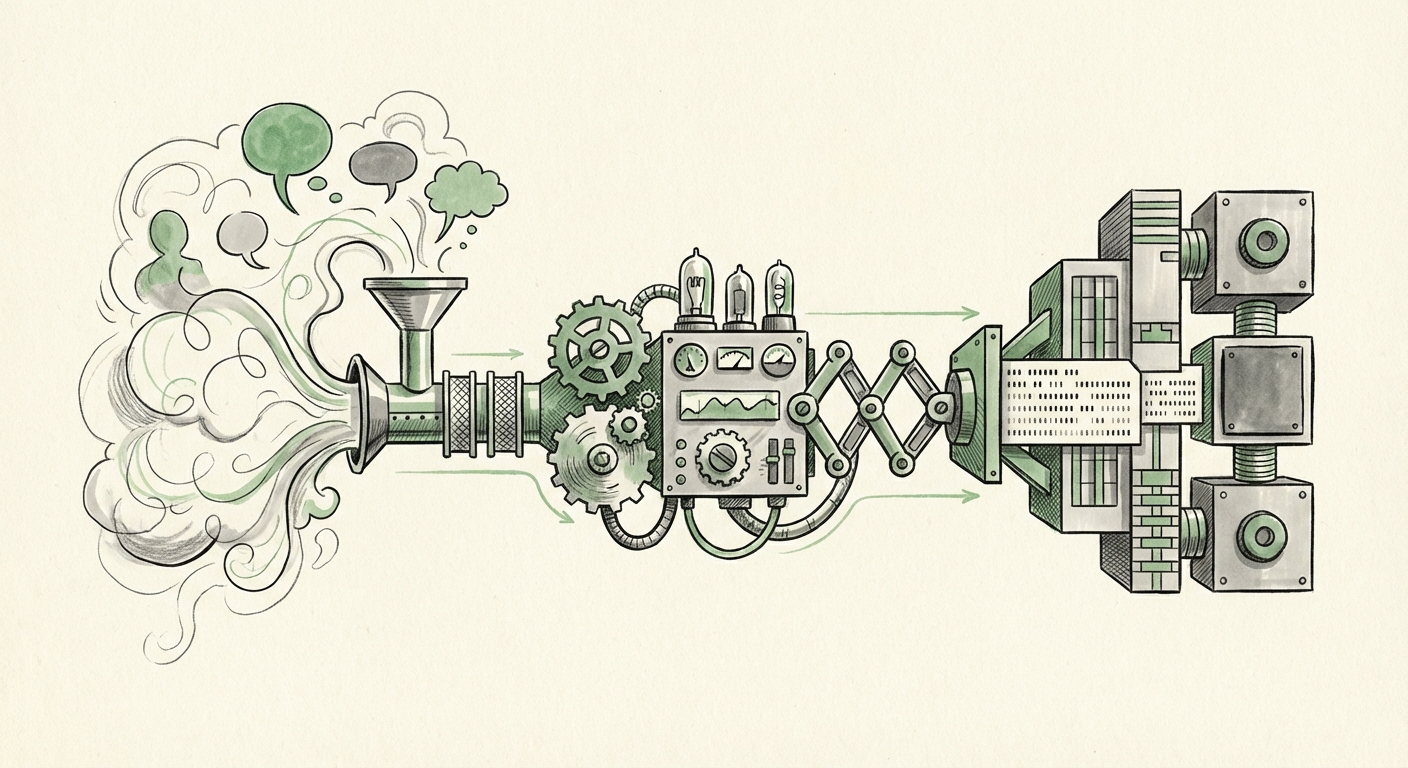
DeepSeek's announcement touches all three layers of the modern AI stack. To really understand the news, it helps to break the AI world down into simple parts. The first layer is the model, the core brain that understands language and solves problems. The second layer is the software around the model, the tools that help people build useful products. The third layer is the business model, how the company charges money and keeps the whole thing running.
With one announcement, DeepSeek sent a signal at every layer. That rare "triple play" is worth paying attention to because it shows a company acting with confidence and strategy, not just releasing another product update.
The Model Layer: What an Improved V4 Pro Really Means
Let us start with V4 Pro. The name says it all: this is a "pro" version of an already-advanced model, and "improved" means it is better than what came before. When a company describes a model as improved, it usually means a few important things for users. The model likely handles harder problems more carefully, makes fewer mistakes, and communicates in ways that feel more natural and useful. For everyday users, that means better answers, less frustration, and more trust in the results.
But the deeper meaning goes beyond a single product. The AI market is crowded, and every major player is releasing new models all the time. Better performance is no longer something that makes a company unique. It is simply the ticket to stay in the game. So if DeepSeek only improved its model, the story would be interesting but not special.
The real lesson here is that the model race is still on. Every improvement raises the ceiling for what AI can do in the real world. When flagship models get better, the applications built on top of them get better too, customer service bots become more helpful, analysis tools become sharper, and automation becomes more reliable. For businesses, each improvement is an invitation to look again at what AI can handle today that it couldn't handle last year.
Still, a better model alone is not enough. That is where the next piece of the announcement comes in.
The Tools Layer: Why Open-Sourcing the Agent Software Is a Big Deal
The second part of the announcement might be the most important: DeepSeek open-sourced its agent software. To understand why this matters, we first need to understand what an "AI agent" is.
Most people know chatbots. You ask a question, and the bot gives you an answer. An agent is different. Instead of just talking, an agent takes action. It can plan a task, use tools, pull up information, and complete a step-by-step job on its own. Think of a chatbot as someone who gives you directions, and an agent as someone who actually drives you to your destination.
Right now, agents are one of the hottest areas in AI. Companies are racing to build digital assistants that can book meetings, write code, do research, and handle complicated workflows. Whoever offers the best agent tools can shape how millions of people get work done.
So why would DeepSeek give that software away for free? There are several clever reasons.
First, open source builds trust. When software is open, anyone can read its code, check for problems, and understand exactly what it does. That transparency matters a lot to businesses that worry about hidden biases, security issues, or unpredictable behavior in AI systems.
Second, open source builds a community. When developers can grab the software, change it, and share their improvements, they become part of the project. They test it, fix bugs, and build tools that make the whole ecosystem stronger. DeepSeek gets thousands of helpers without having to hire them.
Third, open source builds loyalty. Developers like tools they can control. Once a team builds its product around DeepSeek's agent software, it becomes natural to also use DeepSeek's model. A generous move today can create loyal customers tomorrow.
This is a smart strategy, and it tells us something big about the future: the real competition in AI is shifting from the model itself to the tools around it. Whoever makes it easiest to build real-world products will win the market, even if their raw model is not the absolute best.
The Business Layer: Why Raising API Prices Is Bold
The third piece of the news, higher API prices, might seem like the odd one out. Normally, companies try to grow by making things cheaper, not more expensive. But there is a bigger picture here.
An API is a way for developers and businesses to use DeepSeek's AI inside their own apps. Instead of running AI on their own computers, they simply pay to send requests over the internet. When the price of that service goes up, it sends a clear message: the company believes its product is worth more now.
A price increase usually means a few things. It can mean that demand is high and the company cannot keep up, so it needs to balance supply and demand. It can mean that the improved model is genuinely more expensive to run or more valuable to users. Or it can mean the company is investing more into research and development, and needs more revenue to keep pushing the technology forward.
Whatever the exact reason, raising prices is a sign of confidence. Companies usually don't raise prices when they are scared of losing customers. They raise prices when they know their users see real value.
For the AI industry, this is a sign that the market is maturing. Early on, many AI companies gave away cheap or free access to win attention. That phase was about growing fast. But attention is not a sustainable business. Eventually, companies need to prove that AI creates enough value to pay for itself. Higher prices are part of that birth into adulthood. They mean AI is leaving the "free toy" stage and entering the "serious tool" stage.
Businesses should not panic about this. Instead, they should see it as a reason to ask smart questions: What value are we really getting from AI? Is it worth what we pay? And are we using the right tools in the right way?
What This Means for the Future of AI
When you put all three announcements together, a clear vision of the future emerges. The coming years will not be defined by a single model or a single company. They will be defined by a complete stack, powerful models, capable agents, and healthy business models that keep everything sustainable.
Here are the big trends to watch.
1. Agentic AI becomes the new normal
With agent software being open-sourced, more developers than ever can build AI that does things, not just talks. We are moving from the era of "ask a question" to the era of "delegate a task." In the future, everyday workers will hand off messy, multi-step jobs to AI agents, writing reports, sorting through data, scheduling work, and more. Open-source agents will speed up that shift because anyone can use them, adapt them, and put them to work.
2. Open source balances the market
Not every AI company will share its technology. Some of the biggest players keep their models and tools locked away. Open-source moves like this one give the market a different option. They let smaller companies and public institutions build AI without depending on a single giant vendor. That is good for competition, good for choice, and good for anyone who values flexibility.
3. Pricing becomes more honest
As the industry matures, we will see more pricing experiments. Some prices will go up, some will go down, and different vendors will try different strategies. The companies that survive will be those that offer real, measurable value. The era of free trials and endless discounts will slowly give way to a more sustainable model, just like the early internet grew into the paid web services we use today.
4. Trust and safety become essential
Agents are powerful, and with power comes risk. An agent that can take actions on its own also can make mistakes, share private data, or be misused. As agent software spreads, the conversation about AI safety will become more urgent. The companies that win trust will stand out. Open source helps here too, when the code is visible, researchers and users can find problems before they cause harm.
What Should Your Business Do Now?
All of this can feel overwhelming, especially for leaders who are not technical experts. But the practical steps are simpler than you might think. Here is a playbook for business leaders:
- Test the improved model on your own real tasks. Don't rely on hype or marketing claims. Take a handful of jobs your team does every day and see how the latest model handles them. The better the model, the more time your people can save.
- Explore the open-source agent software. You don't have to build anything right away, but you should start learning. Set up a small pilot project and let your team play with it. The best way to understand an agent is to watch one work.
- Revisit your AI budget. Price changes mean plans written last year may be out of date. Build some flexibility into your spending so you are not caught off guard.
- Avoid getting locked into one vendor. The AI market is young, and today's leader might not be tomorrow's. Choose tools that let you switch models or use several at once. That way, you always get the best value.
- Invest in people who understand AI. The most valuable resource in the AI era is not the technology itself; it is the skill to use it well. Train your team, encourage experimentation, and make AI a normal part of work, not a scary unknown.
Notice that none of these steps requires a huge budget or a team of data scientists. They just require curiosity and a willingness to learn.
A More Personal Look: What This Means for You
It is easy to read AI news and feel like it happens somewhere far away, in a world of code and data centers. But these changes will reach your world. When you use a mobile app, that app might rely on a model like this. When you use a customer-service chat, an agent might be doing more and more of the work behind it. When your company manages data, the tools that do the heavy lifting will get smarter.
The best way to prepare is simple: stay curious. Try new tools as they appear. Ask questions about how AI decisions are made. Keep your skills fresh. The future of AI will not be built only by engineers. It will be shaped by managers, teachers, nurses, shop owners, and everyday people who decide how and when to use the technology.
What to Watch Next
In the coming months, keep an eye on a few things. Watch how other AI companies respond. Do they open up more of their own technology? Do they adjust prices? Watch whether open-source agents attract a strong developer community. And watch how businesses react to higher API costs, do they pay up, or do they look for alternatives?
Most importantly, watch how agents move into real jobs. The switch from chatbots to agents is the next big leap in AI. It will happen quietly at first, then suddenly. The teams that start preparing now will be the ones who thrive.
The AI industry still has a long way to go, and there will be plenty of twists ahead. But one thing is certain: the future will belong to those who see AI as more than a fancy answer machine. It will belong to those who use AI to take action, solve problems, and get things done. DeepSeek's triple move shows exactly that direction, better models, open tools, and a business model built to last.