OpenAI's Computer History: How Your Clicks and Keystrokes Just Became a Searchable ChatGPT Memory Timeline
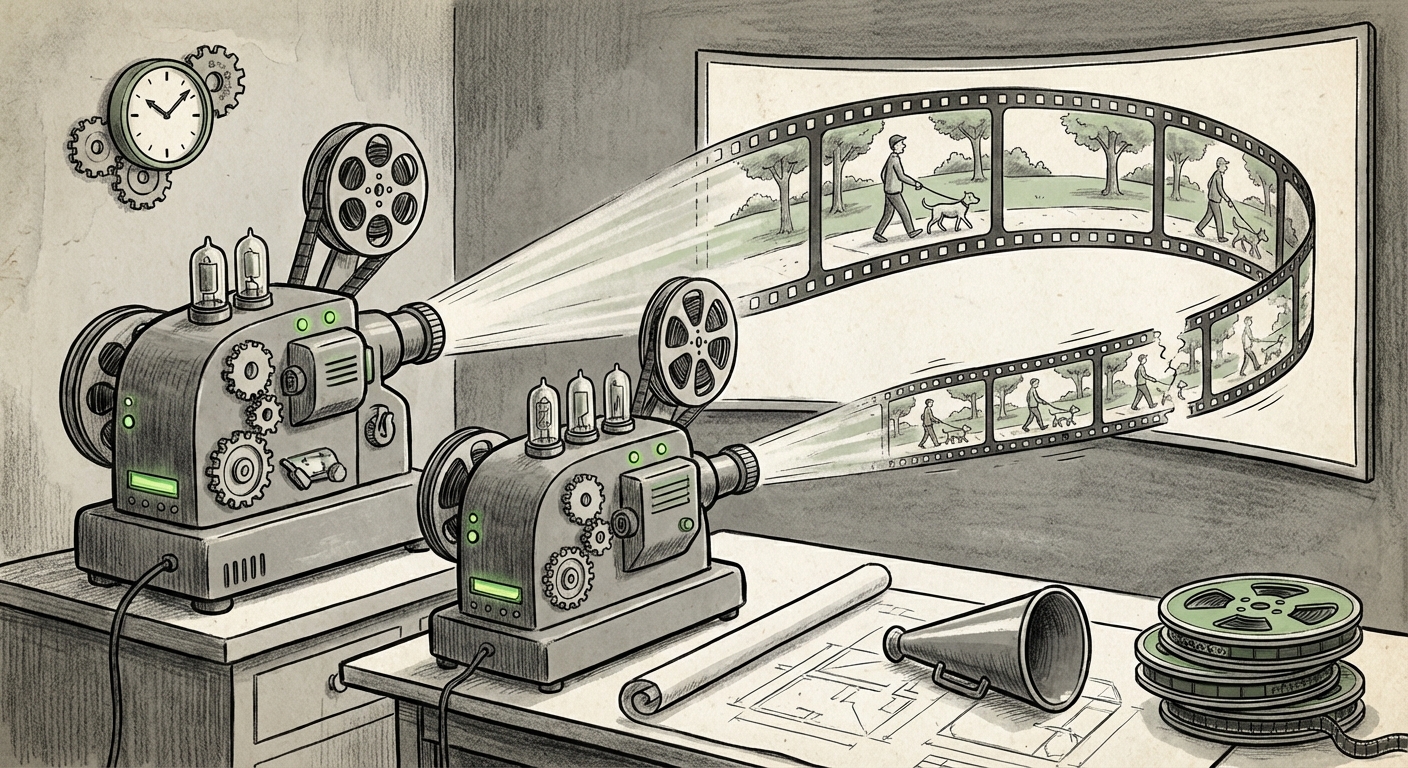
Imagine if your computer kept a diary. Not a diary of emails or documents, but a minute-by-minute account of everything you clicked, typed, and did while working. Now imagine that diary was fully searchable, and your AI assistant could read it. That is the idea behind OpenAI's new feature called Computer History, and it turns your clicks and keystrokes into a searchable ChatGPT memory timeline.
This is a big deal. For years, ChatGPT has remembered conversations. Now it is beginning to remember behavior. That shift, from remembering words to remembering actions, could change how we work, how we think about privacy, and how AI understands human beings.
What Is Computer History?
Computer History is a new OpenAI feature that records your activity while you use ChatGPT. Every click, every keystroke, every task is added to a timeline. You can then search that timeline the same way you would search Google or your email. The result is a searchable ChatGPT memory timeline that lets you retrace your steps, find a conversation from weeks ago, or pick up a task exactly where you left off.
For technical readers, think of it as an event log. For everyday users, think of it as a browser history for your entire workday. Instead of scattered chats that disappear into the void, you get a continuous record of your thinking and doing. It turns messy, forgettable activity into structured, findable history.
This might sound simple, but the implications are enormous. Software that watches your actions is not just a convenience. It is a new kind of relationship between human and machine.
Why This Matters: From Chat Memory to Life Memory
ChatGPT has had memory features before. You could tell it to remember your name, your preferences, or your goals. That is a bit like telling a friend facts about yourself. The assistant stores them and recalls them later.
Computer History is different. Instead of being told, it observes. It watches what you actually do. This is like the difference between knowing a fact and remembering an experience. Psychologists call these declarative memory and episodic memory. ChatGPT is now gaining episodic memory.
With this kind of memory, an AI can understand not just what you said, but how you work. It can see that you always check the data before making a decision. It can notice that you open the same files every Monday morning. It can learn your rhythms and routines just by watching. That is a huge leap in personalization.
It also makes the AI far more useful as a collaborator. You no longer need to explain your full context to the machine. The machine has already seen it. You can jump into a conversation with, "Where was I?" and ChatGPT will actually know the answer.
The Privacy Question Everyone Is Asking
You cannot build a feature that records every click and keystroke without raising serious privacy questions. Security researchers have long warned that keyloggers, software that records every key pressed, can steal passwords, secrets, and sensitive data. Now OpenAI is offering a form of logging as a built-in feature.
The key difference is that you can search, review, and ideally control what is recorded. Users will expect the ability to pause recording, delete parts of the timeline, and choose what gets saved. Companies will demand clear policies on data retention and access. Without these controls, trust collapses quickly.
There is a trade-off at the center of this feature. In exchange for a small piece of your privacy, you get a perfect memory. You never lose an idea. You never forget a conversation. You can always answer the question, "What was I working on last Thursday?"
History shows this trade can be very compelling. People accepted search histories, location sharing, and activity tracking because the convenience was real. AI memory may follow the same path. But trust will depend on transparency. Users must always know what is being recorded, and they must always be able to say no.
What Computer History Means for Business
For businesses, a searchable ChatGPT memory timeline is both a major opportunity and a serious risk.
Opportunity: Productivity. Employees lose an enormous amount of time hunting for old conversations, reconstructing decisions, and redoing work that was already done. A searchable activity timeline turns that wasted time into a simple query. "How did we decide on this price?" takes seconds instead of hours.
Opportunity: Institutional knowledge. When a team member leaves, their work history does not have to vanish. An AI that remembers the clicks and keystrokes behind a project can explain how decisions were made. Onboarding new hires becomes much faster. However, departing employees may not want their entire work activity permanently archived, so this area needs careful handling.
Risk: Compliance. Depending on your industry, recording and storing activity data could trigger strict data protection rules. Financial services, healthcare, and legal work all have requirements about how records are kept. Businesses will need to audit their AI usage and build governance around it before rolling it out widely.
Risk: Sensitive information. Keystrokes can capture passwords, confidential numbers, and personal messages. Companies must think carefully about where AI logging is allowed and where it is not. An activity timeline is only useful if people trust that it will not be misused.
What It Means for Society and Daily Life
Look beyond the office, and this feature hints at something bigger: artificial companions that actually know you. Your ChatGPT could one day remember a lifetime of digital activity, the articles you read, the projects you loved, the ideas you explored.
That opens the door to a personal digital twin: an AI model shaped by your real behavior, not just the things you typed into a text box. It could help you plan your week, remind you of long-term goals, and reveal patterns in your life you never noticed. That kind of assistance is genuinely exciting.
But there are darker possibilities. If an AI records everything, who controls that record? Could a future employer, insurer, or government demand access to your AI memory? Could the record be stolen, subpoenaed, or quietly edited? These questions sound like science fiction, but they become real the moment software starts watching everything you do.
There is also a subtle social effect. When we know we are being watched, even by an AI we trust, we may start to self-edit. We might avoid asking honest questions or exploring risky ideas. The safest answer to all these concerns is the same: user control. Record only with consent. Delete easily. Always reveal what is stored.
The Future of AI Agents Built on Memory
Computer History matters beyond convenience because it supplies something the next wave of AI desperately needs: context. The next generation of AI won't just answer questions; it will take actions. It will book meetings, write code, order supplies, and manage projects from start to finish.
For an agent to act well, it has to understand you. That means seeing how you work, not just what you say. The clicks and keystrokes captured by Computer History are the foundation for that understanding. They tell the AI what you value, what you repeat, and what you avoid.
Look at the bigger trend and you will see why this feature is a strategic move. AI models are getting smarter, but intelligence without memory is like a brilliant assistant with amnesia. Every session starts from zero. Features like Computer History give the model a continuous thread through time. Searchable memory makes the assistant genuinely useful over days, months, and years.
This turns memory itself into a product. The AI company that remembers you best becomes the one you depend on most. Expect competitors to build their own versions of this feature quickly. Expect memory and data portability to become a major battlefield. Users will eventually want to export their timeline or move it to a different assistant. The company that makes that easy could win the most trust.
Actionable Insights: How to Prepare Right Now
Whether you are an individual user, a business leader, or a developer, there are useful steps to take today.
For individuals: treat AI memory like a public record. Before you rely on a searchable timeline, explore the settings. Learn how to pause recording, review entries, and delete sensitive moments. Make it a habit to periodically check what your AI remembers about you, just as you would review your bank statement.
For business leaders: set an AI usage policy before a wide rollout. Decide which teams may use these tools, how long activity data is kept, and who can access it. Train employees on what not to type, such as passwords and highly confidential data, even if the tool records everything.
For developers and product teams: build with transparency baked in. Features that show users exactly what is recorded tend to earn trust. Give people a clear "forget me" button and honor it quickly. Also think about exporting. Users should own their own memory and be able to take it elsewhere if they choose.
For everyone: ask hard questions. If your company is adopting AI, ask which data is logged, where it is stored, and what happens when you delete it. These questions might seem boring, until the moment they save you from a serious problem.
The Road Ahead
OpenAI's Computer History marks the start of a new chapter in our relationship with AI. The most personal connection we build with software may soon be based on memory: an AI that remembers our voice, our history, and our habits.
Over the next few years, expect memory to become just as important as intelligence in AI products. The models that feel magical will be the ones that remember. The companies that earn trust will be those that give people control over what is remembered. And the humans who benefit most will be those who understand the new rules of the game.
The era of the AI that truly knows you is no longer hypothetical. It begins with a click, a keystroke, and a searchable timeline of your digital life.
Conclusion
The ability to turn clicks and keystrokes into a searchable ChatGPT memory timeline is one of those quiet turning points. It is easy to describe, but its consequences are enormous. It changes what we expect from AI. It changes what we are willing to share. And it changes what the machines we build will know about us.
We get something real in return: an assistant that never forgets. But we also give something real away: our private, moment-by-moment behaviors. Whether this trade feels like progress or danger will depend on the safeguards we demand and the respect companies show for our boundaries.
For now, the message is clear. Memory has become the most valuable feature in AI, and your daily activity is the new fuel. Use it wisely, and make sure the people who build it do too.