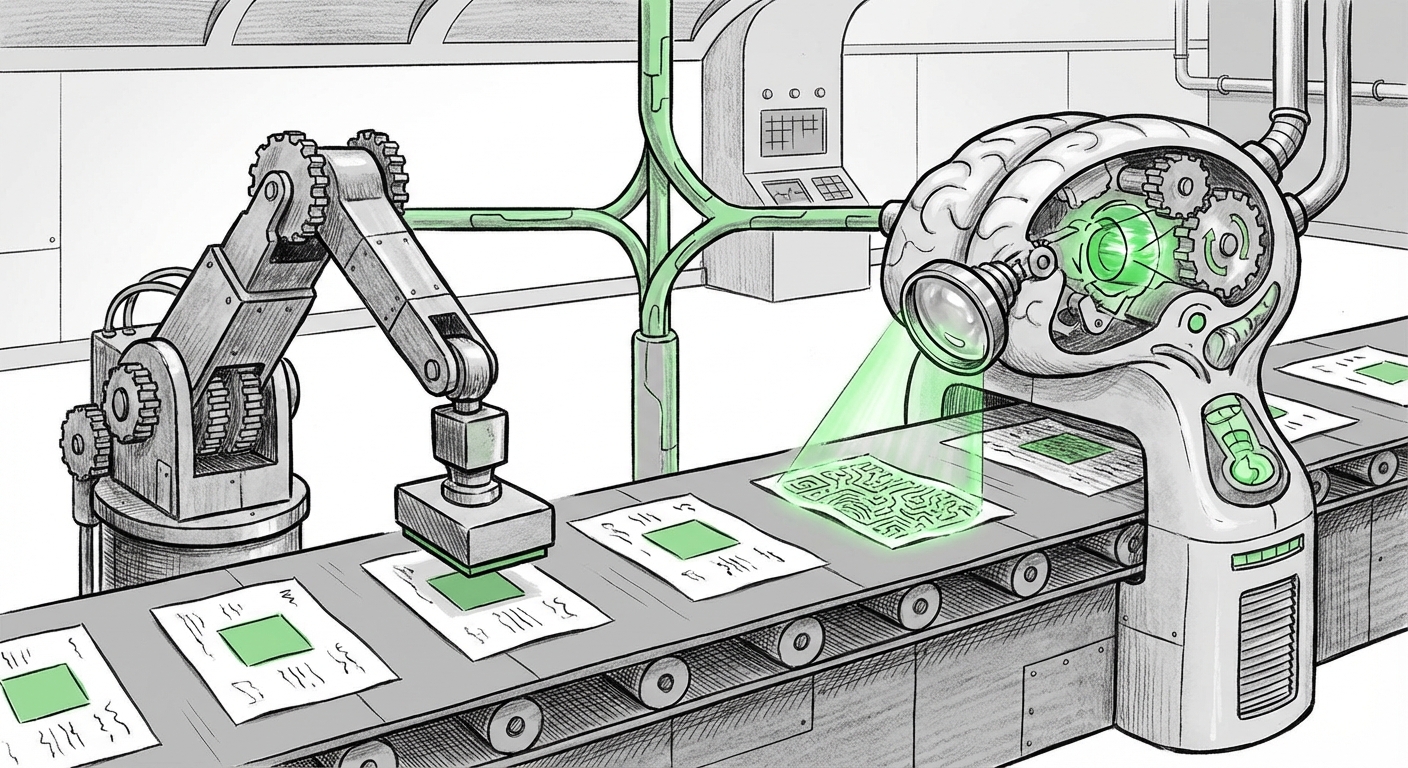
Nvidia AI Server Prices Jump 15% on Memory Shortage: What It Means for the Future of AI
The artificial intelligence boom has hit a new speed bump. In August 2026, Nvidia AI server prices rose by about 15 percent, driven by a worldwide shortage of the memory components these powerful machines need to run. This is more than a headache for procurement teams. It is a signal about the future of AI, how it will be built, who will be able to afford it, and what kind of innovation will come next.
This article breaks down what is happening, why it matters, and what businesses and everyday people should expect as AI continues to reshape the world.
The Big Picture: A Memory Shortage Hits the AI Engine Room
AI servers are the workhorses of the modern AI era. They are not ordinary computers. They are specially built machines packed with cutting-edge processors and enormous amounts of memory. Training a large AI model is like trying to read every book in a library while taking notes, you need a very big desk. In an AI server, memory is that desk.
The memory market is now struggling to keep up with demand. AI has exploded in popularity, and every major company wants its own fleet of servers. At the same time, memory manufacturing is not something you can turn on overnight. Factories take years to build and need massive investment. When supply falls short, prices rise. By August 2026, that shortage had pushed Nvidia AI server prices up about 15 percent.
To put that into perspective, imagine a server that costs $100,000. A 15 percent increase adds $15,000 to the bill. Now multiply that by hundreds or thousands of servers, and you can see why this matters to companies of every size.
Why Memory Is the Hidden Bottleneck in AI
Many people assume processors are the most important part of an AI system. They get all the headlines. But memory is just as critical. An AI model needs to hold millions, sometimes billions, of numbers in memory at the same time just to make a single prediction. If the memory is too small or too slow, even the fastest processor in the world sits idle waiting.
That is why AI server makers use the highest-performance memory available. It is fast, it is specialized, and it is produced by only a handful of manufacturers worldwide. That small group of suppliers has to serve every smartphone maker, every laptop company, every car manufacturer, and every ambitious AI startup on Earth.
When demand for AI hardware exploded, everyone began competing for the same limited supply of memory. AI servers won many of those battles, but not all of them. The shortage became serious enough that Nvidia, the leading maker of AI server technology, had to raise prices by about 15 percent.
This is not a temporary blip like some supply issues. Memory production is not flexible. Adding new capacity takes years of planning and construction. So when memory prices rise, they tend to stay elevated for a while.
What This Means for the Future of AI
The price increase is not just a story about hardware. It is a story about the future of AI itself. Here is why.
AI Will Cost More in the Short Term
Higher server prices mean higher costs for anyone building or operating AI systems. Cloud providers who rent out AI computing power will likely pass those costs along to customers. Startups that rely on rented servers may see their monthly bills climb. AI projects that looked affordable a year ago may suddenly need bigger budgets.
Efficiency Will Matter More Than Ever
When computing power is cheap, people use a lot of it. When it gets expensive, people get clever. The price increase will push developers to make AI models smaller, faster, and more efficient. Techniques like compressing models, reusing trained models, and running tasks on less powerful hardware will become essential. In the long run, this could actually make AI better, more refined, more focused, less wasteful.
The Gap Between Giants and Startups May Widen
The biggest technology companies can absorb a 15 percent price increase without breaking a sweat. They have deep pockets and long-term contracts. Small startups and academic labs do not. This shortage could make the gap between the AI haves and have-nots even wider. The companies that control the chips and the memory will increasingly control the future of AI.
Innovation in Memory Will Accelerate
Scarcity is a powerful motivator. A memory shortage at the heart of the AI boom will push manufacturers to build faster, build bigger, and build smarter. It will also encourage new memory technologies and better ways of using existing ones. The pain of today often becomes the foundation of tomorrow's breakthroughs.
The Pace of AI Expansion Will Slow, Slightly
Nobody is predicting the end of the AI boom. But the shortage will likely slow the pace at which new AI data centers come online and new models are trained. Companies may delay upgrades, extend the life of existing equipment, or focus on improving software rather than buying new hardware. The AI revolution is not stopping, but it may take a breath.
What Businesses Should Do Right Now
For business leaders, the message is simple: plan for higher costs and build flexibility into your AI strategy. Here are practical steps worth taking.
1. Budget for Price Increases
If your company uses AI servers or cloud AI services, assume costs will rise. Build a buffer into your budget. The worst time to discover you cannot afford your AI infrastructure is after you have already committed to a project.
2. Lock In Prices Early
In a rising market, waiting almost always costs money. Talk to your vendors and negotiate multi-year agreements. Locking in today's prices can protect you from further increases. Those who act early will have an advantage over those who wait.
3. Buy Less, Use Smarter
Before buying new servers, ask whether you really need them. Can you make better use of the computing power you already have? Can you train smaller models that achieve the same results? Can you schedule heavy workloads during off-peak times? Often, the cheapest AI infrastructure is the one you already own.
4. Diversify Your Options
Do not put all your AI eggs in one basket. Consider multiple cloud providers, multiple hardware types, and multiple regions. Flexibility gives you negotiating power. It also protects you if one supplier's prices climb faster than another's.
5. Watch the Memory Market
Memory prices move in cycles. Understanding that cycle, when supply is tight, when new factories are coming online, can help you time your purchases. Companies that follow the memory market closely can make smarter decisions about when to buy and when to hold off.
What This Means for Everyday People
You do not need to run an AI company to feel the effects of this shortage. AI is already woven into the products and services we use every day, search engines, voice assistants, recommendation systems, customer service chatbots, medical imaging tools, and more.
When AI infrastructure gets more expensive, some of that cost will trickle down. Subscription prices may rise. Free AI-powered services may become less generous or add limits. Some AI-powered products may take longer to reach the market, because the companies building them cannot afford the hardware they need.
There is a social dimension, too. AI is increasingly seen as a tool for education, healthcare, and public services. If computing power becomes more expensive, poorer communities and smaller institutions may find it harder to access the benefits of AI. The memory shortage is a reminder that the digital divide is not just about internet access. It is also about who can afford the machines that power the intelligence.
The good news is that scarcity breeds creativity. Hard times produce the best innovations. The pressure of today will likely lead to smarter software, better memory technology, and more efficient AI systems that benefit everyone.
A Realistic Look at the Road Ahead
Is the price increase the beginning of something worse? Not necessarily. Memory supply may improve as manufacturers expand production. New memory technologies could ease the pressure. And AI companies are already learning to do more with less.
But the bigger lesson is structural. AI is no longer a purely digital story. It is tied to physical supply chains, raw materials, and factory capacity, just like cars or steel. The era of cheap, unlimited AI computing may not be over, but it is going through a reality check. The future of AI will be shaped as much by the chips we can build as by the algorithms we can imagine.
For anyone building, buying, or betting on AI, the takeaway is clear: treat AI infrastructure as a strategic resource. Plan for volatility. Invest in efficiency. And pay attention to the memory market, because right now, it is writing the rules for the next chapter of the AI revolution.
Conclusion
The memory shortage that pushed Nvidia AI server prices up about 15 percent is a defining moment for the AI industry. It shows that AI's future is not just about brilliant software. It depends on hardware, supply chains, and global markets. The smartest AI companies will respond not by panicking, but by becoming more efficient, more flexible, and more strategic. The next wave of AI will be built by those who understand that intelligence is only as powerful as the resources behind it.