ChatGPT Now Faces Stricter EU Oversight as a 'Very Large Search Engine', What This Means for AI's Future
Something significant just changed in the relationship between artificial intelligence and the law. ChatGPT, the AI assistant used by millions of people across Europe, now faces stricter oversight from the European Union. The reason? Regulators have decided that ChatGPT should be treated as a very large search engine.
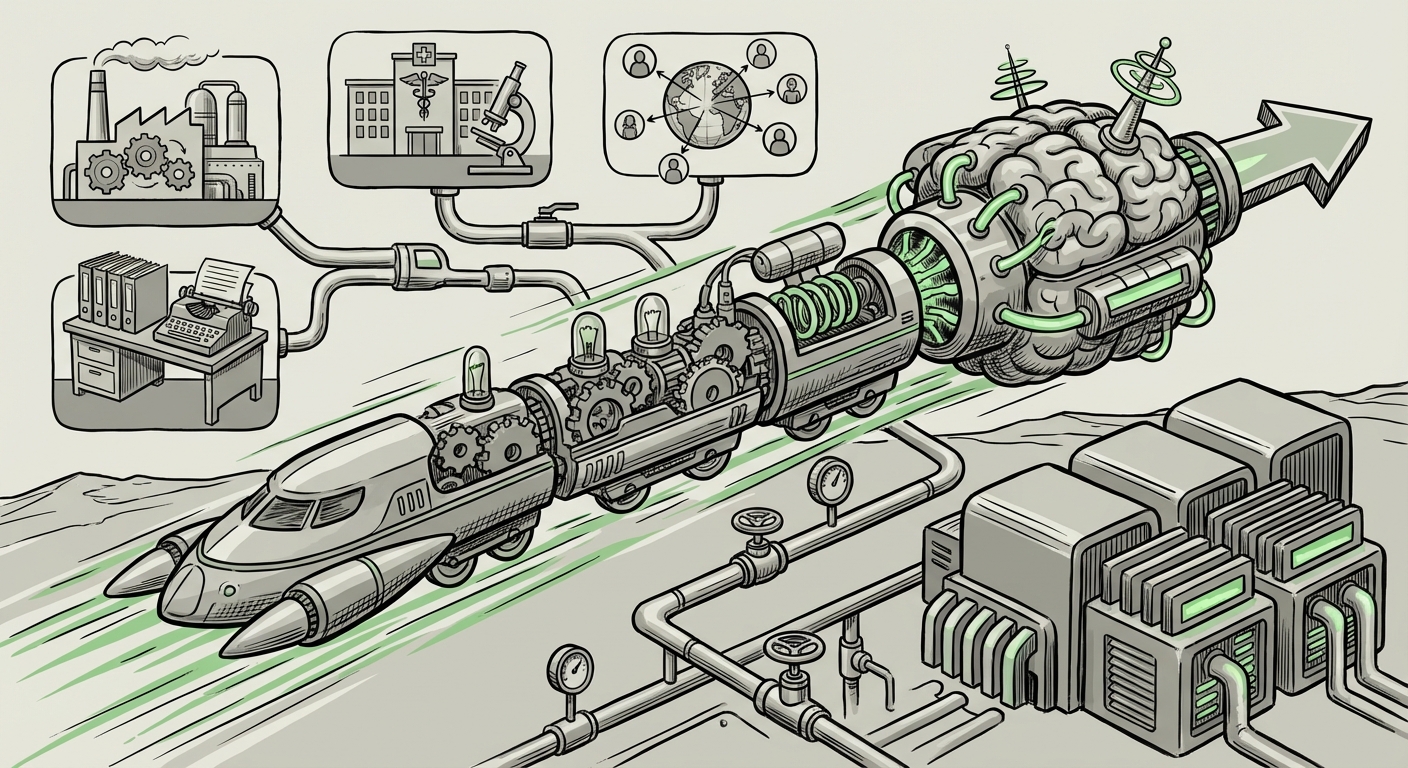
That label might sound like bureaucracy, but it is far from it. It moves ChatGPT out of the "exciting new technology" category and into the "core digital infrastructure" category, a shift with major consequences for how the AI is built, monitored, and held accountable.
A Quiet but Major Regulatory Shift
This is not a fine, a ban, or an accusation of wrongdoing. It is a reclassification. European regulators took a closer look at what ChatGPT actually does in the real world and concluded that, for many users, it works as the front door to the internet. Instead of visiting traditional search engines, people ask ChatGPT for answers, and they often act on those answers.
That change in behavior called for a change in oversight. In the EU's view, if a service acts like a search engine at massive scale and with massive influence, it should be governed like one.
This is a big deal for three reasons:
- It officially recognizes that AI assistants have become a primary way people find information.
- It places ChatGPT inside an existing legal framework designed for the internet's most powerful services.
- It sets a precedent that other governments around the world may follow.
What 'Very Large Search Engine' Status Actually Means
So what does this label really do?
The EU has created a special category for the largest online platforms and search engines under its digital rules. These services reach enormous numbers of people, and because they are so influential, the EU gives them extra responsibility. This status brings obligations far heavier than those placed on smaller tech companies.
Among the most important duties, a very large search engine must:
- Carry out deep and ongoing risk assessments.
- Identify and reduce systemic risks such as disinformation, illegal content, and threats to public safety.
- Be far more transparent, publishing regular reports on how the service works.
- Open itself to audits by outside experts.
- Give regulators and independent researchers meaningful access.
- Provide users with clear information and practical tools.
For a traditional search engine, those are already big tasks. For an AI assistant that generates a brand-new answer to every question, they are even more complicated.
Why This Is So Complicated for AI
The hard truth is that AI systems like ChatGPT do not work like traditional search engines.
A normal search engine shows links to existing web pages. It can be audited: which results did it show, and where did they point? An AI generates text from patterns in its training data. Every answer is a fresh creation, made in the moment.
You cannot simply re-run an AI's "search results" from last Tuesday, because there are no fixed results. There is no clean list of pages for the law to inspect. If regulators ask the company to show the last million answers it gave, the company may not be able to produce them easily, or fully explain why the AI produced them.
That creates real challenges:
- Transparency gets harder when no two answers are ever the same.
- Risk assessments must cover an almost infinite range of possible outputs, not a fixed database.
- Auditing requires new methods that most regulators are still building.
By applying this label, the EU has announced that AI can no longer live in a gray zone. The rules that apply to the internet's gatekeepers now apply to AI's most popular gateway.
A Sign That AI Is Becoming Core Infrastructure
This news also tells us something deeper about the future of artificial intelligence. AI is no longer a toy, a demo, or an experiment. It is becoming infrastructure, the underlying layer that people and businesses rely on every day.
Think about what has changed in just a few years. People do not only ask AI to write poems or jokes. They ask it:
- What is the best laptop for video editing?
- What are the latest health guidelines?
- What are my rights as a tenant?
- How do I improve my job application?
- Which investments should I watch?
When AI answers those questions, it is not just chatting. It is influencing real decisions, purchases, health choices, job moves, and money matters. That is exactly the kind of power that attracts regulation.
Every powerful technology before AI, radio, television, the web, social media, eventually faced oversight as it became central to daily life. AI has reached that stage much faster than almost anyone predicted. The "very large search engine" label is a milestone on that road.
What This Means for Businesses
If you run a business, this change affects you even if you do not operate in Europe. Here is why.
1. Your customers use AI like a search engine
Many of your future customers will discover you through AI-generated answers. If your business is not visible and credible in those answers, you may be invisible to a growing part of the market. Brands now need to think about AI discoverability the way they once thought about search engine optimization.
2. Compliance is becoming a competitive advantage
Watch how the largest AI providers handle their new transparency duties. The obligations now falling on ChatGPT will likely become a template for AI-powered services everywhere. Companies that build good habits early, clear data practices, auditability, and documented risk controls, will find future compliance far easier.
3. You need to understand your own AI risk
If your organization uses AI tools, you now have a clearer picture of what regulators care about: bias, misinformation, transparency, and user harm. Expect your legal and compliance teams to ask harder questions about how your AI systems work, what they might get wrong, and how you could prove they behave responsibly.
4. The cost of AI is about to change
Heavier oversight means more than paperwork. It means investment in testing, monitoring, documentation, and safety teams. Those costs may show up in the prices AI companies charge, so businesses that rely on AI should plan for it rather than be surprised.
What This Means for Society
For everyday people, the practical result of this oversight could be very positive.
- More transparency: The public will get clearer information about how these AI systems are built and where they could go wrong.
- More accountability: If an AI gives harmful or misleading advice, regulators now have a clearer path to step in and demand fixes.
- More research access: Independent researchers can study the systems, which means problems may be caught before they cause wide damage.
- Stronger protection of rights: EU rules are designed to protect privacy, free speech, and fairness, areas where AI has shown real weaknesses.
But there are risks, too. Overly rigid rules could slow innovation in Europe. Companies might hesitate to release new AI features there first. And some worry that rules written for the era of social media do not fit a technology that invents answers on the fly.
This tension, between speed of innovation and safety of society, will be one of the defining debates of the AI era.
The Future of AI: From the Wild West to a Regulated Industry
What does the next five years look like? If this decision is any guide, we are entering an era in which AI is treated less like a startup novelty and more like a public utility.
Expect to see:
- More AI products classified by what they actually do in the world, not just what they are called.
- More demands for transparency about how models are trained and tested.
- More audits by regulators and independent experts.
- More public safety reporting, similar to financial reports but focused on risk.
- More global ripple effects, as other governments study Europe's approach.
AI will not stop improving. But it will improve inside a framework. The era of "move fast and break things" is closing for AI. In its place is a more mature, and more demanding, environment.
This could actually be good for AI adoption. Regulation builds trust. Trust builds users. Users build revenue. A well-governed AI industry may grow faster in the long run because people and businesses will feel safer relying on it.
Actionable Insights: What You Should Do Now
1. Treat AI as an information gateway
Update your marketing and visibility strategies so your brand is described accurately by AI assistants. If you do not know what AI says about your company, find out today.
2. Build AI literacy across your organization
The more your team understands how these systems work, and where they fail, the better your decisions will be. AI training is no longer optional.
3. Start documenting AI usage
If your company uses AI, keep records of what it is used for, how it is monitored, and what safeguards exist. That documentation will become table stakes.
4. Watch EU rules even if you are not in Europe
Regulatory ideas cross borders. The EU's approach to AI oversight is already shaping lawmakers worldwide. Rules that start in Brussels often become global benchmarks.
5. Expect the AI market to mature
The days of unlimited, unexamined AI growth are ending. The companies that will win are those that embrace oversight instead of fighting it, building AI that is not just powerful, but provably trustworthy.
The Bottom Line
ChatGPT's new status as a very large search engine under EU oversight is more than a headline. It is a clear statement that AI has graduated from novelty to infrastructure. When a government treats an AI assistant with the same seriousness as the most powerful search engines on Earth, the terms of the entire industry change.
For businesses, this means planning for a more regulated AI landscape. For society, it means more accountability for technology that shapes our daily decisions. For AI itself, it means the future will be built with guardrails.
The next era of AI will not be defined only by smarter models. It will be defined by how we govern them, and this moment is a major step on that path.