Runway Solaris AI: How Real-Time Interface Generation Is Changing Software Design
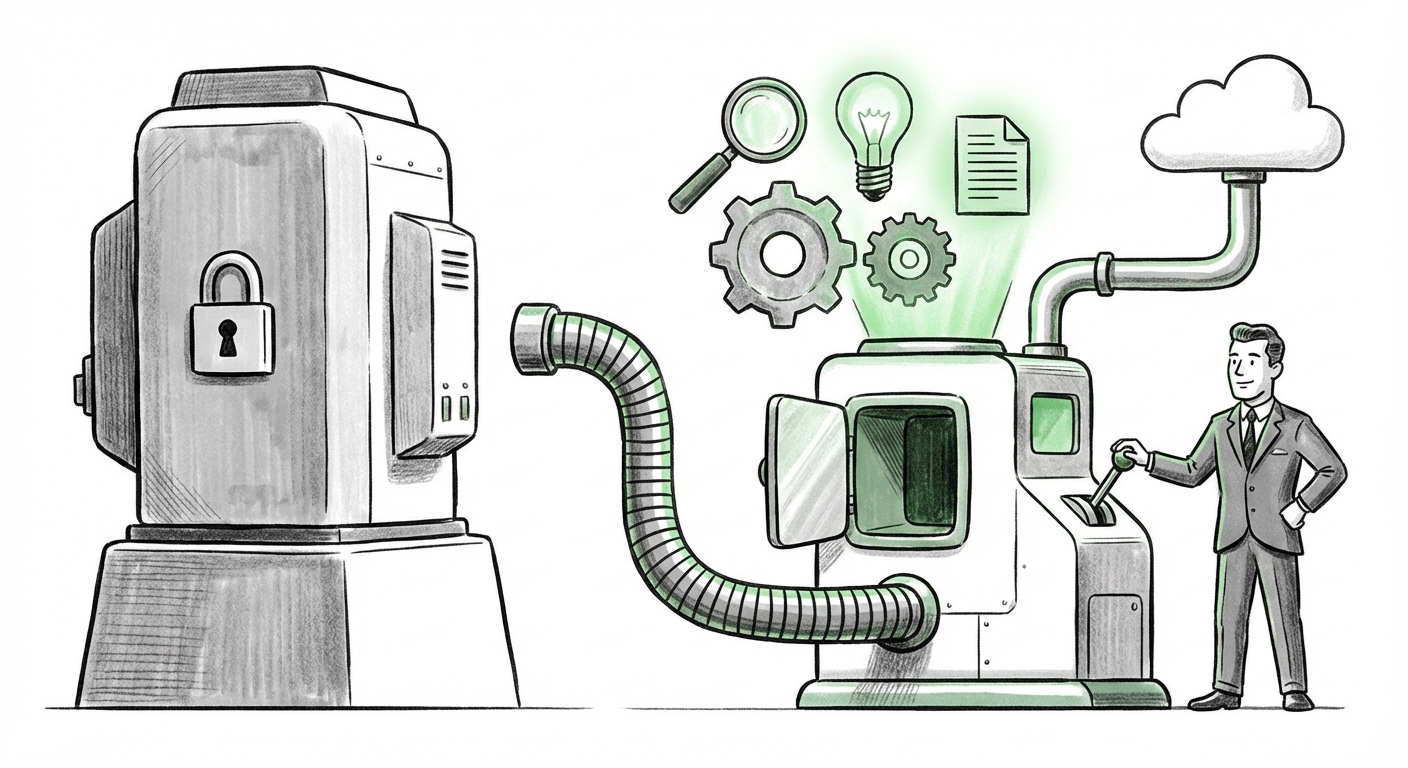
For decades, building software followed a slow and careful process. Designers drew screens. Developers wrote code. Testers ran checks. Then, weeks or months later, the software finally went live. That process is now being turned on its head by Solaris, a new AI system from Runway that generates software interfaces in real time. Instead of waiting for a working screen, users can watch an interface appear as they describe it. This is not a distant concept or a research teaser. It is a working AI system, and it signals a major shift in how software will be created from now on.
What Is Solaris?
Solaris is an AI system built by Runway. Its core job is simple to describe: it creates software interfaces in real time. An interface is everything you see and interact with on a screen, buttons, menus, forms, login pages, dashboards, settings panels, and more. In the past, each of these elements had to be designed and coded by hand. Solaris changes that by letting AI build the interface as you ask for it, and by doing so instantly.
That fast, direct process is what makes Solaris unusual. Many AI tools can imagine what a screen might look like. Solaris goes further: it works in real time. That distinction matters because it collapses the gap between an idea and a usable result. When you can see your idea take shape instantly, you can explore more options, catch problems earlier, and move forward much faster.
Why Real-Time Changes Everything
To understand why real-time generation is such a big deal, it helps to look at how software is normally built. A typical project starts with discovery and research. Then come wireframes, which are basic sketches of what the screen will hold. Next are visual mockups, then working prototypes, then code, then testing, then deployment. For even a simple feature, this cycle can take weeks. For a full product, it can take months.
Real-time interface generation squeezes that timeline into minutes. Instead of drawing a wireframe and waiting for a developer to build it, you simply describe the screen you want, and the AI creates it. If you do not like it, you change your words, and the AI adjusts. This turns software creation from a manufacturing process into a conversation.
Speed also changes behavior. When something is cheap and fast, people do more of it. When interfaces are nearly free to generate, a team can explore twenty different homepage layouts instead of two. They can try bold ideas without worrying about wasted design hours. They can respond to user feedback in hours rather than in the next release cycle. In business terms, that is not just an efficiency gain. It changes what kinds of products are possible.
How AI Got Here: A Quick Look at the Road So Far
AI has been climbing a ladder of creative ability. It first learned to process text. Then it learned to write sentences, summarize documents, and draft code. Next came images: describe a picture in words, and the AI creates it. Then came video. Each step required AI to understand more about how people express ideas.
Generating software interfaces is the next rung on that ladder. An interface combines visual design, layout, usability, and logic. It is not just a picture; it is something people operate. To generate one in real time, the AI must understand not only how a screen looks, but also how a person will use it. That is a massive leap in capability, and it builds directly on everything AI learned before.
This progression matters because each stage prepared users for the next. After image generation, people learned how to describe what they wanted visually. That skill now transfers directly to asking for interfaces. After code generation, developers learned to review and refine AI output. That skill now applies to interface generation too. In other words, the future of software will be shaped by people who already learned to speak the language of AI.
What This Means for Designers
For designers, Solaris and tools like it will shift the job from drawing every pixel to directing an AI. The designer becomes a creative director: setting the vision, refining the AI's output, and deciding which generated option deserves to exist. Execution skills, the ability to draw a perfect button or align a layout by hand, will matter less. Judgment, taste, and clear communication will matter more.
This is similar to what happened to photographers when cameras became digital. The tools got easier, but good vision became rarer and more prized. The same will happen in interface design. Anyone can ask an AI for a "clean, modern dashboard." The valuable designer is the one who knows what "clean and modern" really means, how to guide the AI to produce it, and why it works for a specific audience.
What This Means for Developers
For developers, the change is just as large. A big part of front-end work involves turning designs into code. An AI that can generate interfaces in real time could handle much of that translation. Developers will spend less time building standard screens, login forms, navigation menus, profile pages, and more time on the parts that are genuinely hard for AI: complex business logic, security, performance, and the data systems that run behind the interface.
This does not mean developers become irrelevant. On the contrary, the demand for people who can build and fix the systems underneath interfaces will remain strong. But the mix of skills shifts. Routine UI coding becomes a smaller part of the job, while architectural thinking, integration, and AI oversight become larger parts.
New hybrid roles will also appear. People who can describe interfaces clearly, understand design principles, and work effectively with AI will be extremely valuable. Companies will compete for these "AI-native" builders, people who treat AI as a teammate rather than a tool.
What This Means for Businesses
The business implications are significant. Startups will be able to turn an idea into a clickable interface in an afternoon. Large companies can explore more design directions before committing. Small businesses can get professional-looking software without hiring a full design and engineering team. In short, the cost of creating software drops sharply, and the speed of creating it rises sharply.
When the marginal cost of creating an interface approaches zero, business value shifts to the things around it: deciding what to build, understanding users, and ensuring quality. Companies should invest in product thinking, user research, and clearly defined standards, rather than treating AI as a magic wand. The companies that win will be the ones that combine AI speed with strong human judgment.
There are also new questions to answer. Who owns an interface generated by AI? How do companies make sure generated screens meet accessibility standards? What happens when many companies generate similar-looking interfaces from similar prompts? These questions are not settled. Early adopters will help create the norms, and the businesses that think through them now will have an advantage.
The Bigger Picture: AI as a Creative Partner
Real-time interface generation is part of a larger trend: AI is moving from a tool to a creative partner. Imagine working with a junior designer and developer rolled into one, a teammate that works at the speed of thought. Like any junior teammate, it needs clear direction. It is better at some tasks than others. And it definitely needs oversight. But its speed means the human partner sets the pace, the vision, and the standard of quality.
That shifts the scarcest resource in software from technical skill to human judgment. The people who succeed will be those who know what good looks like, can guide AI toward it, and can catch the errors that AI, in its speed, misses. Taste becomes a professional asset. Ethics becomes a professional responsibility. And the ability to communicate clearly becomes the most practical skill of all.
Actionable Insights: How to Prepare Now
Whether you are a designer, a developer, a founder, or a business leader, there are practical steps you can take today.
- Learn to describe interfaces in words. Practice explaining layouts, colors, spacing, and behavior as clearly as possible. This is the new language of software creation.
- Study great design. The AI has seen billions of patterns, but it cannot tell you which ones are good. That judgment is yours to develop.
- Experiment now. Try using AI to create a simple login page, a dashboard, or a settings screen for a side project. Experience is the fastest teacher.
- Set standards early. Business leaders should define what good looks like: quality bars, review processes, and policies for who owns AI-generated work.
- Invest in people, not just tools. The best results will come from teams that pair AI speed with human judgment. Train your people and give them time to experiment.
- Prepare for faster cycles. Product roadmaps that once stretched across a year may now shift in weeks. Organize your team to move at that speed.
Looking Ahead: The Future of Software Creation
What should we expect next? In the near term, interfaces will become more iterative. Teams will generate, test, and discard more ideas than ever before. User feedback will flow into designs much faster. In the medium term, the line between design and engineering will blur. The same person may direct an AI to shape both the look of a screen and the logic behind it. In the long term, the very question "what is software?" may change, as building an app becomes more like having a conversation than running a project.
There are real risks, of course. Generated interfaces may look good but fail on accessibility, clarity, or trust. Companies may rely on AI too heavily and lose the human perspective that makes software useful. And dependence on AI systems could narrow the diversity of design ideas if everyone uses the same tools and the same prompts. These risks are manageable, but only with awareness and intentional oversight.
The smartest response is to treat this moment as what it really is: an invitation. You are invited to sharpen your judgment, learn new tools, and rethink how software gets made. The weeks-and-months era of interface building is giving way to a minutes-and-moments era. The sooner you adapt, the sooner you will be building the future instead of watching it happen.
Final Thoughts
Runway's Solaris marks a genuine turning point in the history of making software. For the first time, an AI system can generate software interfaces in real time, not someday, not in a research lab demo, but as a working capability. That change will reach designers, developers, startups, large companies, and everyday users. The interface of the future will not just be drawn or coded; it will be conversed into existence. And the people who thrive will be the ones who learn to have that conversation well.