Amazon Blocks Meta's AI Agent Muse From Shopping: What Agentic Commerce Means for the Future of AI
The first real fight of the AI agent era just broke out in the shopping aisle. Amazon has blocked Meta's AI agent, Muse, from shopping on its platform. That single move, a retailer shutting the door on another company's AI assistant, tells us more about where artificial intelligence is heading than a dozen product launches ever could.
For years, the big promise of AI agents has been simple: you tell your assistant what you want, and it goes and gets it. Books the flight. Finds the shoes. Compares the prices. Handles the checkout. That promise is now colliding with the messy reality of who controls the storefront, the customer data, and the money that flows through it.
Here's what this moment means, why it happened, and what businesses and everyday people should do about it.
What Actually Happened
The news is short and sharp: Amazon blocked Meta's AI agent Muse from shopping on its site. Muse is Meta's AI assistant designed to act on a user's behalf, including, apparently, browsing and buying things online. Amazon said no.
That's it. No long explanation, no negotiated settlement announced, no workaround revealed. And that's exactly why it matters. When a platform as large as Amazon decides to shut out an agent built by a company as large as Meta, it's not a technical glitch. It's a policy choice, and a signal.
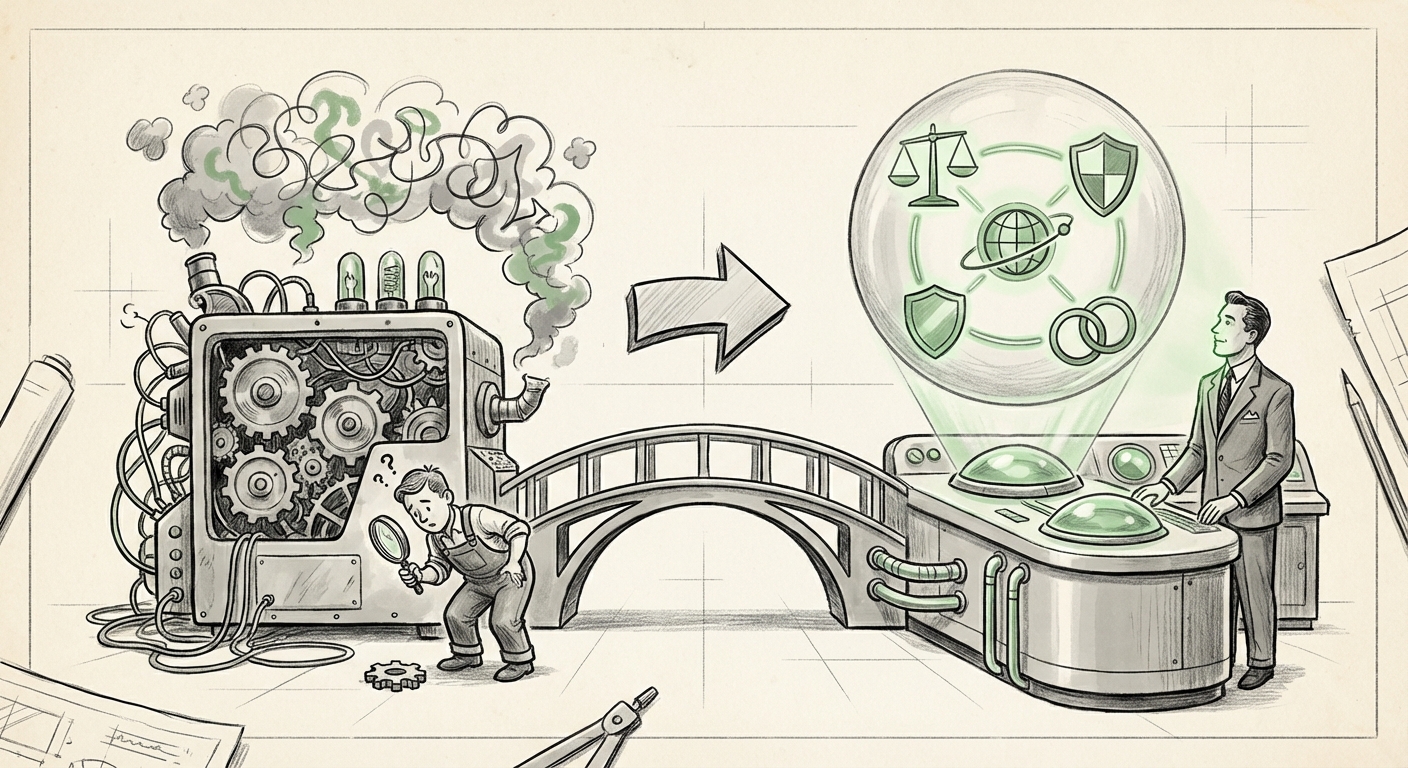
Think of it like this. For twenty years, the web was built for humans to click on. Now we're building a web where software does the clicking for us. Amazon's block is one of the first big, public examples of a retailer saying: not in my store, not with your bot.
Why Retailers Are Nervous About AI Agents
To understand the block, you have to understand what an AI shopping agent actually does to a retailer's business model.
When a person shops on Amazon, Amazon controls the experience. It controls search rankings. It controls the "buy again" button. It controls which products get recommended, which ads appear, and which sellers get seen. That control is worth an enormous amount of money, it's the engine behind advertising revenue, Prime loyalty, and private-label products.
Now imagine an AI agent like Muse sitting between the shopper and the store. The human says, "Get me the cheapest decent pair of running shoes that arrives by Friday." The agent does the searching, filtering, and comparing. Suddenly, the agent is the front door, not the retailer's homepage.
That changes everything:
- Ads lose their power. If software picks the product based on specs and price, a sponsored placement at the top of a search page matters a lot less.
- Data gets thinner. If an agent scrapes results and hands back one choice, the retailer learns far less about browsing behavior, preferences, and intent.
- The relationship shifts. The customer may start thinking of Muse as their assistant, the loyal one, and Amazon as just a vending machine behind it.
- Load and abuse risks rise. Automated agents can hammer a site with requests, scrape prices, or interact in ways a normal shopper never would.
Seen that way, the Amazon block isn't stubbornness. It's self-defense of a business model that depends on being the place where the decision happens.
The Coming Battle Over the "Agentic Web"
What we're watching is the start of a new layer of the internet. Call it the agentic web, a layer where AI agents act for people across sites, apps, and services.
In that world, every company has to pick a side. Do you let outside agents in, and hope they bring you volume? Or do you lock the doors and force people to come through your own app, where you keep the data and the ad revenue?
Both strategies have real risks:
The open-door strategy
You publish tools and interfaces that let agents shop, book, and buy. You gain reach, your products show up wherever the agents live. But you lose the chance to upsell, to advertise, and to shape the decision. You become a supplier, not a destination.
The locked-door strategy
You block outside agents and protect your experience. You keep your margins and your customer data. But you risk becoming invisible to a generation of shoppers who never open a website at all, they just ask their assistant.
Amazon's move is clearly the second path, at least for now. Meta's Muse is on the other side of that door.
Who Owns the Customer Relationship?
Strip away the technology and this is a fight about one thing: who owns the customer relationship.
Historically, that question had a clear answer. The store owned it. The store had the checkout, the loyalty card, the email list, and the credit card on file.
AI agents break that chain. If an agent knows your sizes, your budget, your dietary needs, your travel plans, and your past purchases, then the agent holds the context, and context is power. The store becomes one of many interchangeable back ends.
It's worth remembering how badly this went for the last company that tried to own the front door: search engines and social platforms turned browsing into their own turf, and retailers spent years paying to get attention back. Nobody in retail wants to repeat that.
What This Means for the Future of AI
Three big shifts are now locked in.
1. AI agents will be judged by access, not intelligence
A brilliant agent that can't reach the store is useless. In the next phase of AI, the hardest problems won't be model quality, they'll be permissions, partnerships, and protocols. The winners will be the agents that can actually get things done in the real world, not just the ones that score highest on a benchmark.
2. "Agent-readable" becomes a product requirement
Just as companies once needed mobile-friendly websites, they will soon need agent-friendly interfaces. That could mean official APIs for assistants, verified agent identities, rate limits, and clear rules about what an agent may and may not do on your behalf. This is where standards will matter enormously.
3. Trust and identity become the bottleneck
When a request hits a website, the site needs to know: is this a person, a good agent acting for a person, or a scraper? Right now, that's genuinely hard to tell. Expect rapid growth in agent identity verification, a kind of passport for bots that says who they work for and what they're allowed to do.
Practical Implications for Businesses
If you run any kind of online business, this story is not somebody else's problem. Here's what to do now.
- Decide your agent policy before you're forced to. Will you allow third-party AI agents to browse, compare, and buy? Write it down. Publish it. A clear policy beats a chaotic scramble later.
- Build an agent-ready path. Even if you block outsiders today, prepare a structured way for trusted agents to access product data, availability, and checkout. Data feeds, clean product schemas, and real APIs are the groundwork.
- Protect what's defensible. If your edge is price and availability, agents may actually help you. If your edge is a curated experience and brand loyalty, you need reasons for humans to still show up directly.
- Watch your analytics for agent traffic. A sudden spike in traffic with no conversions, or unusual browsing patterns, may be agents testing your walls. Understand it before you react.
- Think about the agent as a channel. Just as you once optimized for search engines and then for social feeds, you'll soon optimize for assistants. That means clean, machine-readable information about your products, accurate specs, honest descriptions, real stock levels.
What Society Should Be Watching
The stakes go beyond retail profits. If a handful of companies control both the AI assistants people use and the stores those assistants can reach, the result could be less competition, not more.
Imagine a world where your assistant only recommends products from stores that paid for access. Or where a store blocks competitors' agents while letting its own assistant roam free. Those are real possibilities, and they raise questions that consumer protection rules were never written to answer.
There's also a practical risk of agent lock-in. If your assistant holds all your preferences, purchase history, and payment details, switching assistants becomes painful, the same way switching phone ecosystems is painful today. Convenience and captivity can look identical at the start.
What Happens Next
Blocks like this rarely stay permanent. They tend to become negotiations. In the coming months, expect three things: more retailers quietly drawing their own lines, more agent makers pushing for open access, and the beginnings of technical standards for how agents identify themselves and what they're allowed to do.
The larger lesson is that AI's future won't be decided in a lab. It will be decided at the checkout counter. Amazon blocking Meta's Muse is a small event with an outsized meaning: the era of AI agents doing our shopping has arrived, and the fight over who gets to profit from it has only just started. The businesses that prepare for agent traffic today, with clear policies, clean data, and real interfaces, will be the ones still standing when the door opens again.