Sakana AI Hires Jürgen Schmidhuber: What the Father of Deep Learning Brings to the Next ChatGPT Update
Sometimes the biggest news in AI is not a new product. It is a new hire. On September 24, 2026, the research lab Sakana AI announced it had brought on Jürgen Schmidhuber, the person credited with inventing deep learning and world models. Those two ideas sit underneath almost every AI tool you touch today, from chatbots to image generators to the next update to your favourite assistant.
That makes this a moment worth slowing down for. A single name on a team list tells you where a lab thinks the next breakthroughs will come from. And in this case, the answer is not "more GPUs" or "bigger datasets." The answer is better ideas about how machines learn and imagine.
Two Ideas That Changed Everything
To understand why this hire matters, you need to understand the two concepts Schmidhuber is known for. You do not need a computer science degree to get them.
Deep Learning: Machines That Teach Themselves
Old-school software works like a recipe. A programmer writes exact rules: if this, then that. Deep learning threw out the recipe. Instead, you show a computer millions of examples and let it build its own rules from the patterns it finds.
That single shift is why your phone can understand your voice, why translation apps work, and why chatbots can hold a conversation. Deep learning is the engine behind the entire modern AI boom. Every time a model gets "smarter," deep learning is usually the reason.
World Models: Machines That Can Picture the Future
World models are the second idea, and they may end up being the more important one. A world model is an AI's internal picture of how things work. It lets the machine run a simulation in its head, imagining what would happen if it took one action versus another, before doing anything in the real world.
Think about how a chess player thinks before moving. They do not move the piece and see what happens. They picture the board several moves ahead. A world model gives an AI that same ability, but for the messy real world instead of a game board.
Today's chatbots are mostly predicting the next word in a sentence. Systems built on world models would predict the next state of the world. That is a jump from talking about things to understanding cause and effect.
Why This Is the Direction AI Is Heading
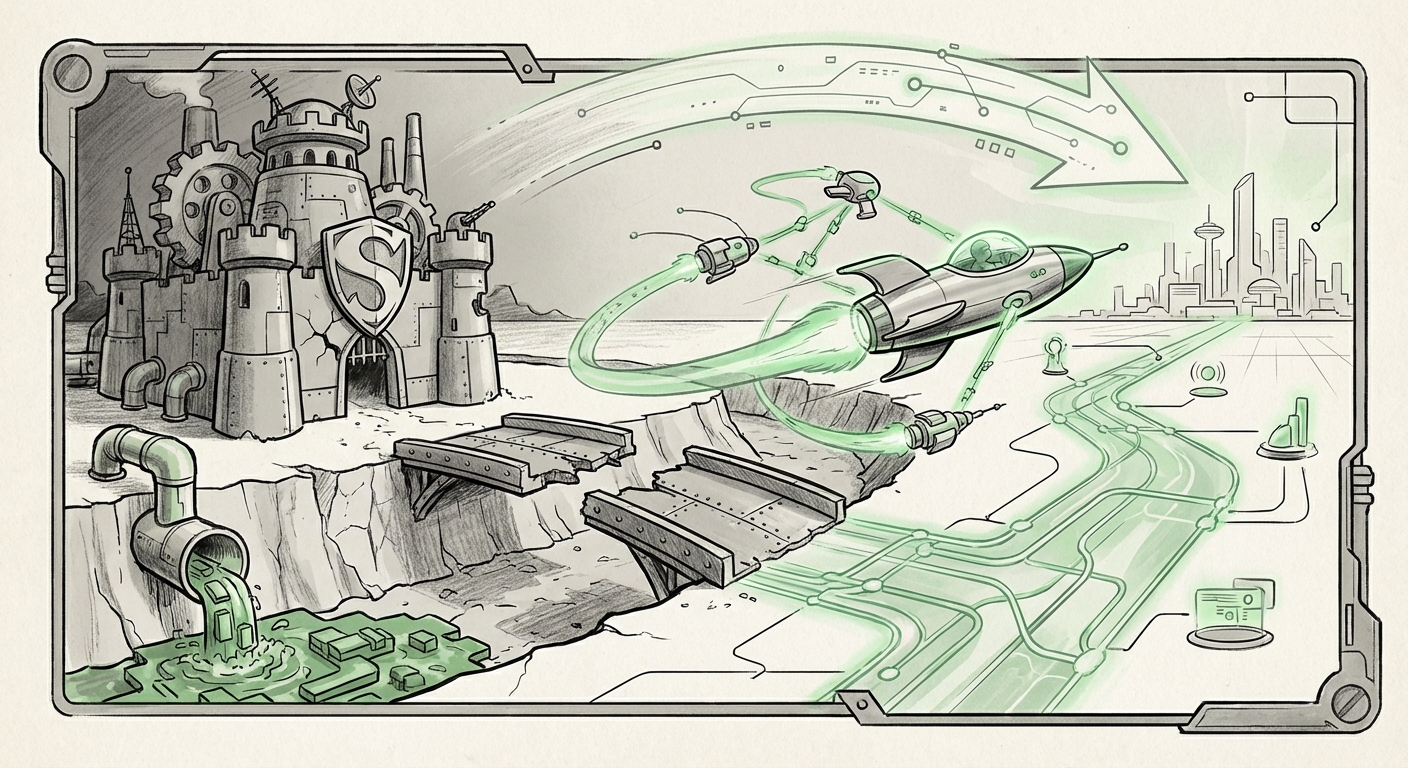
For the last few years, the AI industry has followed one main playbook: make the models bigger. More data, more computing power, more parameters. That approach delivered real results, but it is running into walls. Costs climb faster than performance. Each new version gets harder and more expensive to improve.
The next round of progress is likely to come not from size but from structure, smarter designs, better ways to learn, and systems that can reason and plan instead of just pattern-match. That is exactly the territory where deep learning and world models meet.
Hiring the person associated with both of those foundations is a strong statement of intent. It says a lab is betting on architecture and reasoning as the next frontier, not just raw scale. In a field where talent is the real bottleneck, the people who invented the core techniques are the scarcest resource of all.
What This Means for the Future of AI
If world models become the centre of AI development, several things change. Here is what to watch for.
- AI that plans, not just answers. Today's tools respond to prompts. Tomorrow's tools will set goals, break them into steps, and work through them over time.
- Agents that test ideas safely. A world model lets an AI try something in simulation before touching the real world. That is huge for robotics, logistics, medicine, and anything where mistakes are expensive.
- Learning with less data. Humans do not need a million examples to learn a new task. World models aim for that same efficiency, which could make AI cheaper and more accessible.
- Systems that understand consequences. If a machine can picture outcomes, it can be held to a higher standard of safety, because its reasoning is more inspectable than a black-box guess.
- Fewer hype cycles, more substance. When progress depends on ideas rather than spending, the winners are the labs with the deepest thinking, not the deepest pockets.
None of this happens overnight. Research moves in years, not weeks. But the direction of travel is clear, and this hire points a spotlight at it.
What It Means for Businesses
You do not need to run an AI lab to be affected. Here is how this shift lands in the real world of budgets, teams, and planning.
1. Plan for agents, not just assistants
Most companies today use AI as a helper: write this, summarise that, answer this question. The next wave is agents that complete multi-step work on their own. Start mapping which processes in your business could run that way, and which should never be automated without a human check.
2. Your data advantage is changing shape
When models learn more efficiently, raw data volume matters less. What matters more is quality and context, the specific knowledge about your customers, your operations, and your industry that no general model has. That is your moat.
3. Do not wait for the perfect version
Every capability you need next year is being built right now. Companies that experiment early learn what works before their competitors even start. Small pilots beat big plans.
4. Watch your vendor risk
If the next generation of AI is built on different foundations, some current tools may be replaced quickly. Avoid locking yourself into a single provider. Keep your systems flexible enough to swap the engine underneath.
5. Keep humans where judgement lives
Better planning AI still needs people for ethics, relationships, and decisions that carry real consequences. The winning setup is not humans or machines. It is a clear handoff between them.
What It Means for Society
The stakes go well beyond quarterly earnings.
Safety and control. An AI that simulates before acting is easier to evaluate than one that just reacts. That is genuinely good news for regulators and for public trust, but only if labs publish how these systems make decisions. Secrecy and safety pull in opposite directions.
Jobs and skills. Work built on following fixed rules will keep shrinking. Work built on judgement, trust, and human contact will keep growing. The people who thrive will be those who treat AI as a tool they direct, not a rival they fear.
Who gets the benefits. Breakthroughs that reduce the cost of AI could widen access, or concentrate power in a handful of labs. Which one happens depends on policy, open research, and how seriously the industry takes broad access.
Public understanding. Concepts like deep learning and world models are not just for engineers. If these systems are going to shape healthcare, education, and government, ordinary people deserve plain explanations. That starts with better coverage and clearer communication from the labs themselves.
Actionable Takeaways
If you only remember a few things, make them these:
- Follow the talent, not just the products. Star researchers moving to a lab is one of the earliest signals of where the next breakthrough will come from.
- Learn the two big ideas. Deep learning explains why AI works today. World models explain why it will work differently tomorrow.
- Run a small experiment this quarter. Pick one process and see how an AI agent handles it, with a human checking the output.
- Invest in your own context. Clean, well-organised knowledge about your business is the asset that gets more valuable as models get smarter.
- Stay flexible. Build so you can switch tools quickly. The next update may not come from where you expect.
- Set your human-in-the-loop rules now. Decide today which decisions a machine can make alone and which always need a person.
The Bigger Picture
The AI story of the past few years was about scale: who could build the biggest model with the most data. The story of the next few years looks likely to be about understanding, machines that build a picture of the world, imagine outcomes, and plan accordingly.
Bringing in the person credited with inventing both deep learning and world models puts Sakana AI at the centre of that transition. It is a reminder that in a field moving this fast, the most valuable asset is not computing power. It is the ideas that tell the computing power what to do.
For businesses, the message is simple: start preparing for AI that acts, not just answers. For everyone else, it is a chance to understand the two ideas quietly powering the tools you already use every day, and the ones heading your way next.