Ideogram's New Image Model Can Edit One Part of a Photo Without Ruining the Rest
There is a moment every AI image user knows too well. You generate something almost perfect. The lighting is right, the background is right, the mood is right. Then you notice one small problem, a hand with six fingers, a logo that came out scrambled, a jacket that should be blue instead of red.
So you change the prompt. And the whole image falls apart.
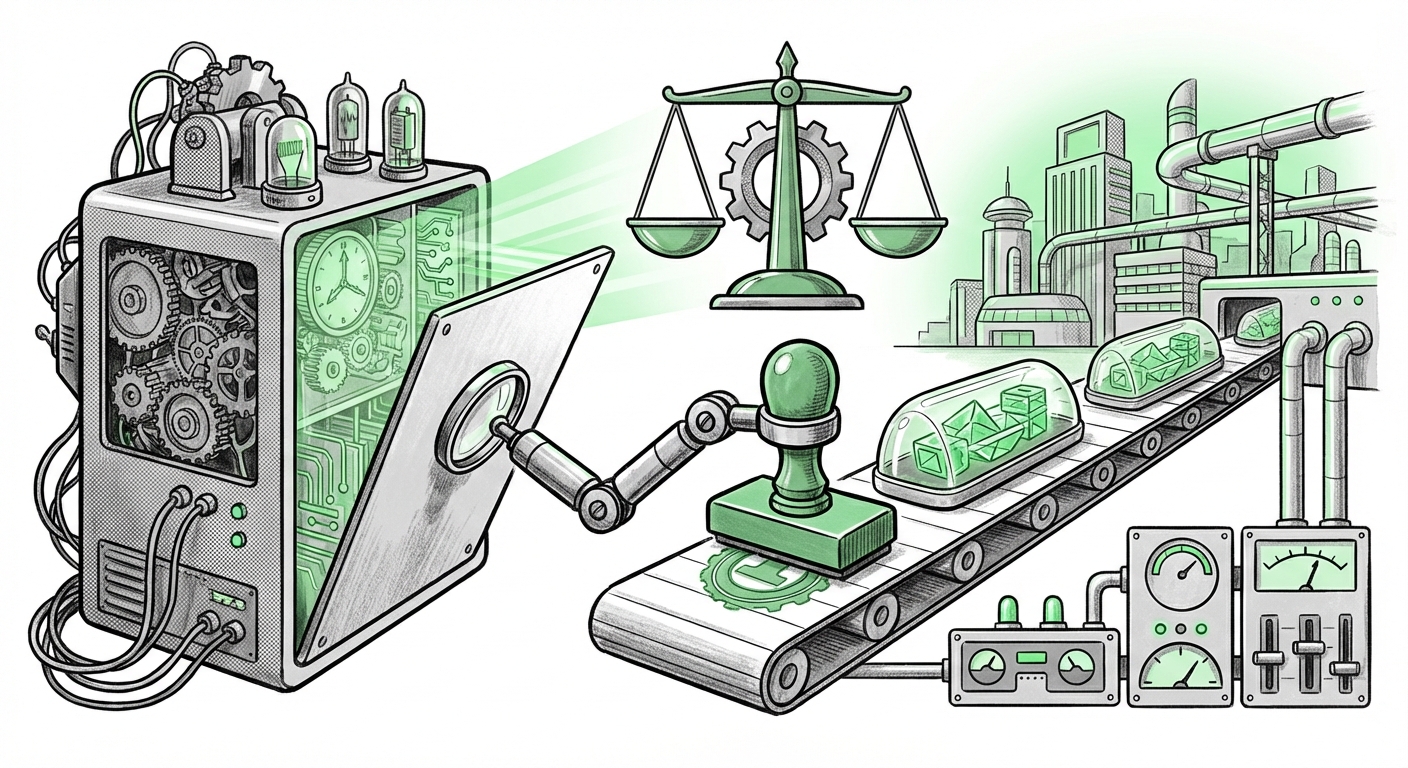
That is the problem Ideogram says its new model solves. The company says the model can edit part of an image without messing up the rest, keeping everything else exactly as it was. On paper, that sounds like a small feature. In reality, it is one of the biggest shifts happening in AI right now, and it points toward where the entire industry is heading.
Why "Just Edit One Part" Is So Hard
To understand why this matters, you have to understand how today's image models usually work. Most of them are built to create a whole picture from a text description. They start with random noise and slowly shape it into an image that matches your words. Every pixel is connected to every other pixel. The whole thing is generated at once.
That works beautifully for making something brand new. It works badly for changing your mind about one detail.
The technical term for editing just a slice of an image is inpainting, telling the AI "change this box, leave everything else alone." The hard part is not the box itself. It is the edges, the shadows, the reflections, and the light. If the AI redraws a shirt, the collar has to still line up with the neck. The color has to match the room. The texture has to feel like the same photo, not a patch pasted on top.
When those details drift, you get what people in the field sometimes call context collapse. The model loses track of what the surrounding image was doing. Faces shift. Backgrounds melt. The result looks uncanny, and you end up back at square one.
So when Ideogram says its model can edit part of an image without disturbing the rest, it is making a claim about control, not just quality. That is a different kind of claim, and a much more useful one.
The Bigger Trend: From Generating to Editing
The first wave of generative AI was about making things from nothing. Type a sentence, get a picture. Type a paragraph, get an email. The wow factor came from creation.
The next wave is about changing things that already exist. And that is a much harder engineering problem, because you have to respect what is already there.
You can see this pattern everywhere in AI right now. Coding assistants started by writing new functions and now spend most of their time modifying existing codebases. Writing tools started by drafting from scratch and now mostly rewrite, tighten, and restyle what you already wrote. Image models are following the exact same path.
The reason is simple: real work is revision, not creation. A designer does not start every project from a blank canvas. A marketer does not throw away a campaign because one word is wrong. Most of the value in knowledge work comes from making careful, targeted changes to something that already mostly works.
AI tools that only generate are powerful. AI tools that can edit safely are dependable. And dependable is what businesses actually pay for.
What This Unlocks for Real Businesses
Consider how much of the visual content economy depends on small, precise changes:
- E-commerce: A product photo needs the background swapped for a seasonal campaign, but the product itself must stay byte-for-byte identical. If the model redraws the product, the listing is now inaccurate, and that is a legal and trust problem, not just a design one.
- Advertising: A single ad often needs dozens of variations, different text, different settings, different models, while the core brand asset stays untouched. Being able to edit the surroundings without touching the logo is the difference between a fast campaign and a slow one.
- Real estate and hospitality: Staging a room, changing a wall color, or swapping in furniture becomes a minutes-long task instead of a photo shoot.
- Media and publishing: Fixing a caption, removing a stray object, or adjusting a background no longer means regenerating the entire image and hoping it comes back the same.
Each of these used to require either a human with editing software or a risky full regeneration. A model that edits locally and safely collapses that into a single step. That is a real cost reduction, and it also removes a real source of frustration.
Why Consistency Beats Raw Quality
Here is a counterintuitive point. For most professional users, the most impressive AI image is not the most beautiful one. It is the one that looks the same as before, except for the part you changed.
Creative teams have already learned this the hard way with early generative tools. You could produce stunning images, but you could not produce a consistent set of them. Every generation was a lottery. Brands need consistency across hundreds of assets, same character, same color palette, same visual language. A model that respects the untouched parts of an image is a step toward that consistency. And consistency is what turns a fun demo into a production tool.
The Future of AI: Local Edits Everywhere
If local editing works well for images, the same principle is going to spread. In fact, it already is.
Think about what "edit part without breaking the rest" really means as a general capability:
- Video: Change one object in one scene without re-rendering the whole clip. This is the single biggest blocker to AI video being usable in professional workflows.
- 3D and games: Adjust a single asset without breaking the world it lives in.
- Software: An AI agent that fixes one bug without rewriting the file and introducing three new ones.
- Documents: Updating one section of a report while keeping the rest of the language and formatting untouched.
- Voice and audio: Fixing one mispronounced word in a recording without re-recording the session.
The common thread is surgical precision. The AI era so far has been about models that can do impressive things. The next era is about models that can do impressive things without collateral damage. That is the difference between a tool you play with and a tool you trust with real work.
What This Means for Society
There is a harder conversation here too. The same technology that lets a business fix a product photo also lets someone alter a photo of a real person or a real event with surgical precision. And local edits are, in some ways, more dangerous than full generation. A fully AI-generated image can often be spotted. A single convincing edit inside an otherwise real photograph is much harder to detect.
That raises the stakes on three things:
- Provenance: Knowing where an image came from and whether it has been altered becomes as important as the image itself.
- Transparency rules: Regulators and platforms are already moving toward labeling requirements for AI-modified media. Local editing tools make those rules harder to enforce, not easier.
- Media literacy: The old advice, "look closely for weird hands and smudged text", stops working when only one small part of an image was ever AI-generated.
None of this is a reason to stop building the technology. It is a reason to build the guardrails at the same time as the capability. The companies that win long term will likely be the ones that treat trust as a feature, not an afterthought.
Actionable Steps for Teams Right Now
If you work with visual content in any capacity, here is what to do with news like this:
- Audit your workflow for "regeneration pain." Find the tasks where you currently regenerate an entire asset just to change one detail. Those are the highest-value places to test local editing.
- Set a quality bar for consistency, not just beauty. Define what "the untouched parts stayed untouched" means for your brand, and test models against that standard.
- Keep human review on anything customer-facing. Local editing is much safer than full regeneration, but it is not perfect. A quick human check on product images, faces, and logos is still worth the minute it costs.
- Start a provenance habit now. Track which assets are AI-edited and how. If labeling rules land later, you will already be ahead.
- Watch for the skill shift. The most valuable creative skill is moving from "writing prompts that generate good images" to "knowing exactly what to change and what must not change." That is a director's skill, not a technician's.
The Bottom Line
An image model that can edit one part of a picture without wrecking the rest does not sound like a headline-grabbing breakthrough. There is no dramatic demo in it. But it may matter more than the flashier announcements, because it solves the problem that actually stops people from using AI in real work.
Generation gets you attention. Control gets you adoption. And control, precise, local, trustworthy editing, is where the next phase of AI is clearly headed.