Apple Tightens Mac Data Controls to Guard Against AI Agents: What This Means for the Future of AI
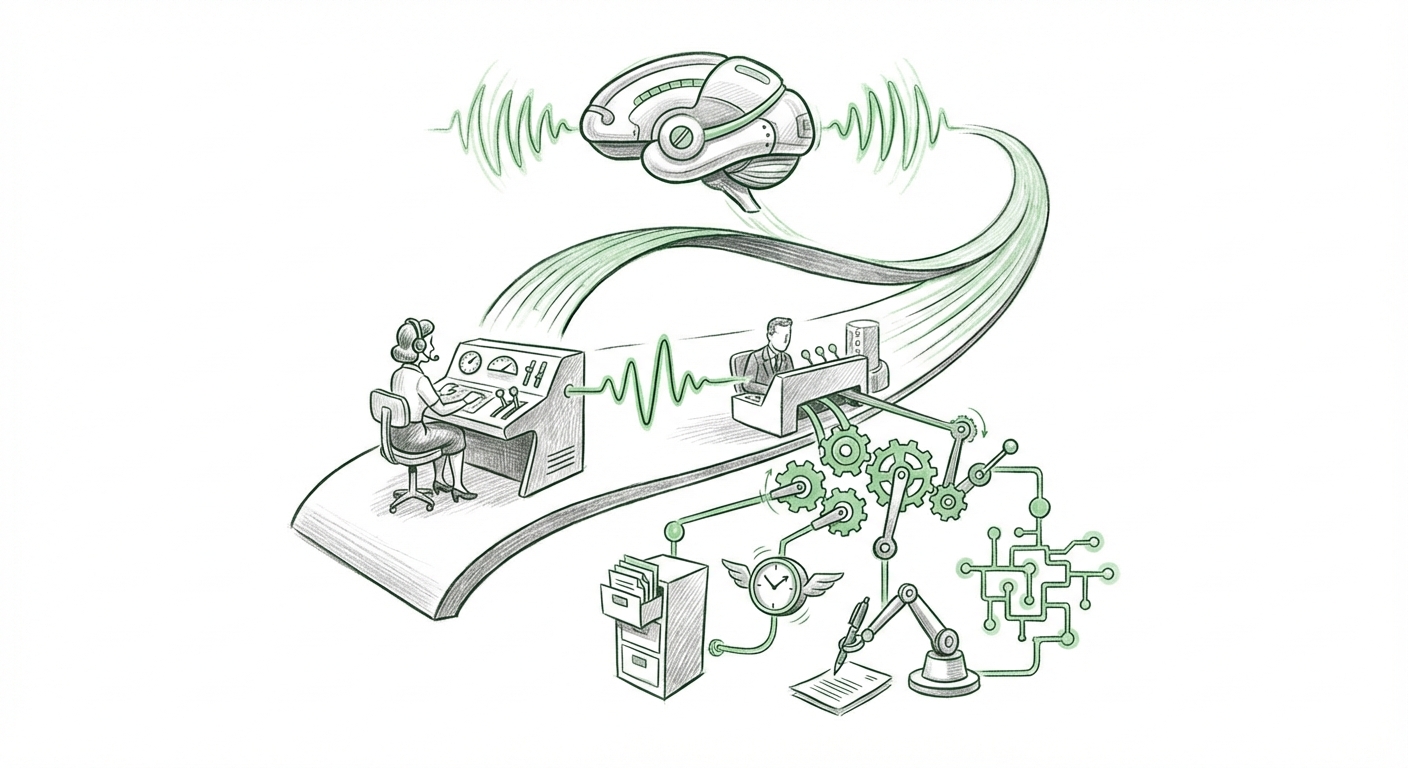
Apple is preparing to tighten the way software can reach the files on your Mac. The reason is not a new virus or a classic hack. It is the rise of AI agents, software that does not just answer questions, but actually does things on your computer. It opens apps, reads documents, moves files, and clicks buttons on your behalf.
The plan, reported in early October 2026, marks a clear turning point. For years, the biggest question about AI was what it could say. Now the bigger question is what it can touch. Apple's move to lock down Mac data access is one of the first major signs that the tech industry is treating AI agents as a new kind of risk, not because they are evil, but because they are powerful, fast, and easy to point in the wrong direction.
Why AI Agents Change the Rules
Traditional apps are predictable. A photo editor asks for your photo folder. A music app asks for your music library. You say yes or no, and the app stays in its lane.
AI agents break that model. An agent is often given a broad goal, "clean up my desktop," "summarize these contracts," "book my travel", and then decides for itself which files to open, which websites to visit, and which tools to use. That flexibility is exactly what makes it useful. It is also exactly what makes it dangerous.
An agent that can read any file on your Mac can also read the wrong file. It can stumble into a folder of tax records, private photos, or legal documents. It can be tricked by a hidden instruction buried in a web page or a PDF, a style of attack known in the industry as prompt injection, and then leak that data somewhere it should never go.
Humans move slowly enough to notice when something feels off. Agents do not. They can copy thousands of files in the time it takes you to sip your coffee. That speed gap is the core problem Apple appears to be addressing.
What Tighter Data Controls Actually Mean
Tightening data controls is not about banning AI agents. It is about making them ask permission, and making those permissions narrow, visible, and revocable.
The direction of travel across the industry looks like this:
- Granular permissions. Instead of "can this app see my files?" the system asks "can this app see this folder, for this task, for this long?"
- Task-scoped access. Access is granted for a specific job and expires when the job is done. The agent does not keep the keys forever.
- Clear disclosure. Users are told when an agent is reading data, where it is sending it, and who is watching.
- Sandboxing by default. Agents run in a walled-off space and must be explicitly let out.
- Audit trails. A record of what an agent touched, so a person can review the damage or the good work later.
None of these ideas are new on their own. What is new is applying them to software that makes its own decisions. Traditional permission systems assume a human is driving. Agent-focused controls assume the software is driving and the human is supervising.
That is a big shift in how an operating system thinks about its user. The Mac stops being a place where you trust your apps. It becomes a place where your apps must earn trust, task by task.
The Operating System Becomes the Referee
Here is the part business leaders should pay attention to: the fight over AI is moving down the stack.
For the last few years, the battle was about models, who had the smartest one, the fastest one, the cheapest one. That race is far from over. But a new race has started at the level of the operating system. Whoever controls the permission layer controls what AI agents are allowed to do in the real world.
Apple's Mac data controls are one piece of that. If the machine itself decides what an agent can read, then the machine, and the company that builds it, becomes the gatekeeper for the entire agent economy. That is enormous leverage. It shapes which AI products can work smoothly, which ones get blocked, and which ones users actually trust enough to install.
Expect other platform owners to follow. Every operating system, browser, and cloud provider now faces the same question: how do you let agents act on a user's behalf without letting them run wild? The answer will define the next phase of AI adoption.
What This Means for Businesses
If you run a company, this shift will reach you whether you plan for it or not.
- Your AI rollouts will slow down, in a good way. Agents that once breezed through company file shares will start hitting permission walls. That friction is a feature. It forces teams to decide, in advance, what data an agent should ever see.
- Data maps become mandatory. You cannot grant task-scoped access if you do not know where your sensitive data lives. Companies that have catalogued their data will deploy agents quickly. Companies that have not will stall.
- Compliance gets easier and harder. Easier, because tight controls create clean audit trails. Harder, because regulators will soon expect those controls as a baseline.
- Vendor selection changes. When you buy an AI tool, you are also buying its permission model. Ask how it accesses data, how it requests consent, and what it does when access is denied.
The businesses that win here will not be the ones with the most aggressive agents. They will be the ones with the cleanest boundaries, the ones that can prove, on demand, exactly what their AI was allowed to do.
What This Means for Society and Everyday Users
For regular people, the short-term effect will feel like more pop-ups. More permission requests. More moments where a window asks, "Allow this agent to read these files?"
That can be annoying. It can also be the difference between a helpful assistant and a data breach.
There is a deeper point here about trust. Most people will never read a privacy policy. They will not understand sandboxing. But they will understand a simple, repeated interaction: the computer asked, I said yes or no, and I can take it back later. That pattern is teachable. It is also the same pattern that makes seatbelts and door locks work in the physical world.
If platform owners get this right, AI agents become something people feel safe handing real tasks to. If they get it wrong, too loose, and users get burned; too strict, and agents become useless, the whole category stalls. The balance is delicate, and Apple's Mac data controls are an early attempt to find it.
The Bigger AI Trend: Trust Becomes the Product
Step back and a pattern emerges. The AI conversation is shifting from capability to accountability.
For three years, every headline was about how smart models had become. Now the headlines are about what happens when those models act. This is the natural arc of any powerful technology. First we marvel. Then we measure. Then we put guardrails on it so it can be used at scale.
Apple's move is a clear signal that the guardrail era has begun on the desktop. And guardrails, in the end, are what let big things move fast without falling over. The companies that treat security as the enemy of AI speed have it backwards. Security is what makes AI speed possible in the first place.
Actionable Insights
- Audit your data now. Know what an agent could reach if it had broad access. Label the sensitive parts.
- Assume permission walls are coming. Design your internal AI tools to request narrow, temporary access rather than blanket access.
- Build for revocation. Any agent you deploy should be able to lose access instantly, without breaking your business.
- Log everything. If you cannot show what your agent did, you cannot defend it when someone asks.
- Train your people. Teach staff that "allow" is a real decision, not a click-through.
- Watch the platform layer. Operating system permission rules will shape which AI products succeed. Track them the way you track model releases.
Conclusion
Apple tightening Mac data controls in response to AI agents is not a story about Apple. It is a story about a coming-of-age moment for artificial intelligence. Agents are graduating from chatbots that talk to actors that do. The moment they started doing things, the question of what they are allowed to touch became unavoidable.
The future of AI will not be decided only by how smart the models get. It will be decided by whether people trust them enough to let them near the things that matter. Apple's move is one of the first big answers to that question. Expect many more, and expect the platforms that get the balance right to win the next decade of computing.