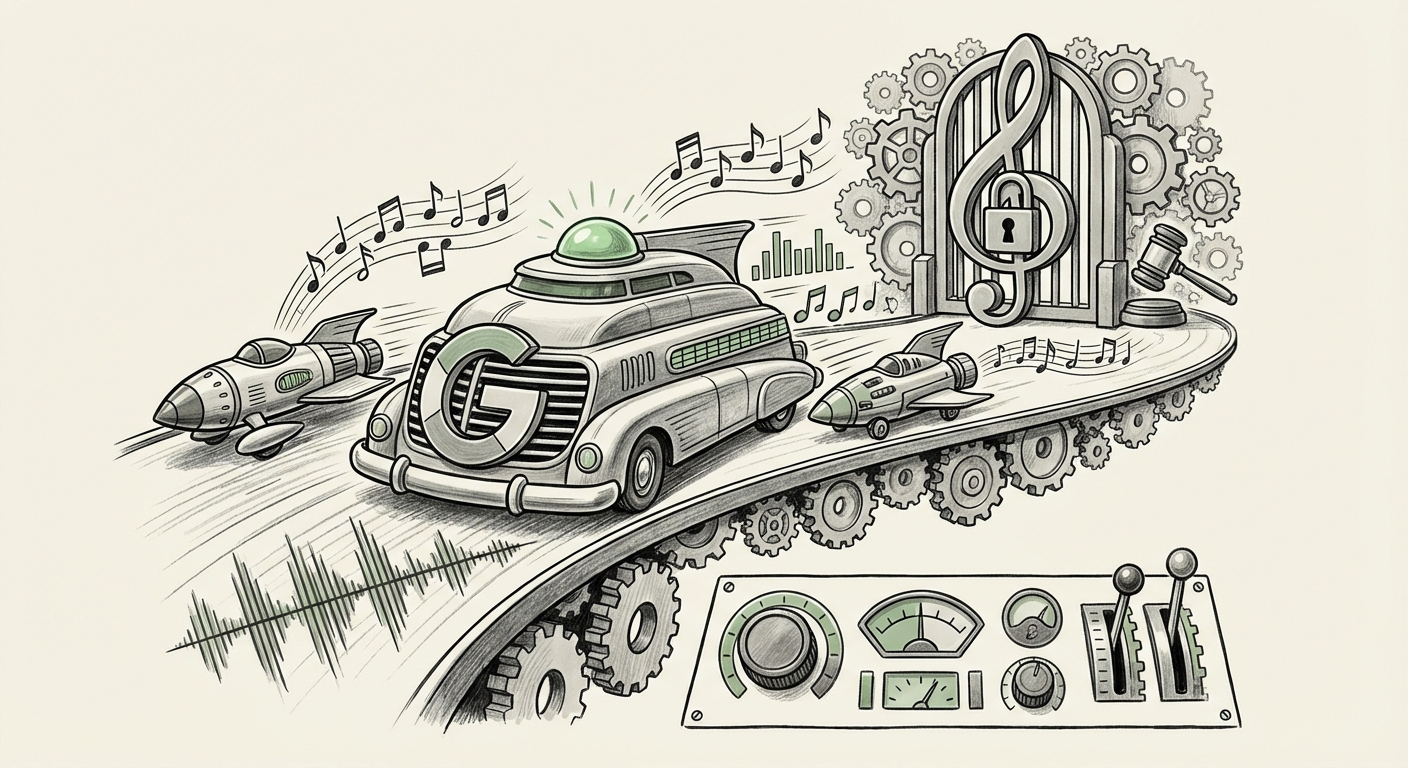
G7 Diesel Release Meets AI's Power Hunger: What the Fuel Crunch Means for the Future of AI
On October 2, 2026, the G7 nations moved to release diesel stocks from emergency reserves. The reason: wars in Europe and the Middle East are squeezing global fuel supplies, and the squeeze is starting to bite. Diesel is the quiet workhorse of the modern economy. It moves trucks, ships, trains, tractors, and construction equipment. It also backs up the power grid when the lights threaten to go out.
Here is the part most people miss: diesel is also part of the story of artificial intelligence. AI runs on electricity, and electricity systems lean on diesel when they wobble. AI data centers are built with diesel-powered machines and kept alive by diesel generators when the grid fails. So when the world's biggest economies start tapping emergency fuel reserves, they are not just talking about cars and farms. They are talking about the physical foundation that the AI boom sits on.
This article breaks down what the diesel release means, why it matters for AI, and what businesses and regular people should do about it.
The Fuel Crunch, in Plain Terms
The G7's decision to release diesel stocks is a signal, not a small tweak. Emergency reserves exist for moments when normal supply cannot keep up with demand. Opening them means the normal channels are strained. Two active conflicts, one in Europe, one in the Middle East, are disrupting the flow of fuel through shipping lanes, pipelines, and refineries.
When fuel gets tight, prices swing hard. Shipping companies raise rates. Trucking firms pass on costs. Factories slow down. And every industry that depends on diesel-powered logistics starts to feel a squeeze that spreads outward like ripples in a pond.
Diesel is not glamorous, but it is foundational. If you cannot move goods, you cannot build anything, including the giant buildings full of computers that power modern AI.
Why AI Is Secretly an Energy Business
When people picture AI, they picture chatbots, image generators, and robots. What they do not picture is a substation, a transformer, or a backup generator humming in a parking lot.
But that is the reality. Every time you ask an AI model a question, some computer somewhere burns electricity to answer. Training a big AI model uses a huge amount of power. Running it for millions of users uses even more over time. All of that power has to come from somewhere: the grid, on-site generators, or both.
The grid itself is not magic. It is a delicate balance of supply and demand. When a heat wave hits, or a storm knocks out a power line, or fuel becomes scarce, that balance tips. In those moments, big facilities, including data centers, reach for diesel generators to stay online. Data centers are often required to have backup power so they do not drop critical services.
That means diesel and AI are linked in three ways:
- Construction: Building a data center takes diesel-powered excavators, cranes, and trucks. Delayed fuel means delayed builds.
- Backup power: Diesel generators keep servers alive when the grid stumbles.
- Supply chains: The chips, servers, and cooling gear inside data centers travel by diesel-powered freight.
So when the G7 says fuel is constrained, the AI industry should hear: your growth plan just got more expensive and more fragile.
The Two-Way Street: AI as a Solution to Energy Problems
Here is the hopeful flip side. AI is not just a consumer of energy. It is also a tool for saving it.
Energy companies already use AI to predict demand, balance grids, and route fuel trucks more efficiently. During a supply crunch, that kind of optimization becomes extremely valuable. A few percentage points of efficiency across a national fuel network can mean millions of gallons saved.
AI helps in several practical ways:
- Demand forecasting: Predicting where fuel and power will be needed before shortages hit.
- Logistics routing: Getting trucks and ships to the right place with less wasted fuel.
- Predictive maintenance: Catching failing equipment before it causes an outage.
- Grid balancing: Shifting power use to times when the grid is calmer.
- Leak and loss detection: Finding waste in pipelines and power lines faster than humans can.
In a world of constrained fuel, the value of AI goes up, not because it is trendy, but because it makes scarce resources go further.
The Real Risk: A Slowdown in AI's Buildout
The biggest danger here is not that AI stops working. It is that AI's growth slows down in ways that are hard to see at first.
Data centers depend on long construction timelines, reliable power contracts, and steady supplies of hardware. Fuel shortages hit all three. Construction crews idle when diesel is scarce. Power utilities delay new hookups when they are focused on keeping the existing grid stable. Freight costs rise, and equipment arrives late.
Companies that planned to expand AI capacity in the next year or two may find those plans slipping. Smaller AI startups, which do not have deep pockets to absorb higher costs, could get squeezed the hardest. That could push more of the AI industry into the hands of a few big players who can afford to wait out a fuel crunch.
That is a big deal for the future of AI. A more concentrated industry means fewer voices, less experimentation, and slower progress on safety and openness.
What This Means for Businesses
If you run a business of any size, the G7 diesel release is a nudge to rethink how energy-dependent your plans are. Here is what smart organizations are likely to do.
1. Treat energy as part of your AI strategy
Stop thinking of AI as a software project. Think of it as a software-plus-power project. Where will the power come from? How stable is that source? What happens if prices spike? These questions belong in the same meeting as the model choices.
2. Go lean on models
Bigger is not always better. Smaller, more efficient models can do many jobs just as well while using far less energy. Businesses should ask vendors hard questions about power use, not just accuracy.
3. Diversify where and how you compute
Spread workloads across regions and providers. Use cloud services that can shift jobs to wherever power is cheapest and most stable. Build in flexibility instead of depending on one fragile location.
4. Invest in resilience, not just speed
Backup power, on-site storage, and clear continuity plans matter more when fuel is uncertain. The companies that survive shocks are the ones that planned for them.
5. Use AI to cut your own waste
The same tools that help utilities save fuel can help your business save energy. Route deliveries better. Predict demand more accurately. Automate energy-hungry processes so they run at off-peak times.
What This Means for Society
Fuel crunches rarely stay in one lane. Higher diesel costs push up the price of food, goods, and travel. That burden falls hardest on people with the least flexibility in their budgets.
At the same time, energy security is becoming national security. Countries are learning that depending on long, fragile supply lines is a risk. That will likely push governments to invest more in domestic energy sources, storage, and efficiency, and to treat AI as a strategic asset in managing those systems.
There is a real chance AI helps here. Better forecasting and smarter grids can soften the blow of future shocks. But there is also a risk: if AI's benefits concentrate in wealthy countries and companies, the gap widens. The choices made now, about who gets access to compute, power, and the tools built on top, will shape that outcome for years.
Actionable Insights
- Audit your energy exposure. Find out which parts of your operations depend on diesel or fragile power supplies.
- Measure AI's power footprint. Ask vendors for energy data. Track what your own models cost to run.
- Prioritize efficiency over size. Smaller models, smarter routing, and off-peak scheduling save real money.
- Build for shocks. Backup power, multi-region workloads, and flexible contracts are not luxuries anymore.
- Use AI where it saves resources. Logistics, maintenance, and forecasting are the highest-value uses during a squeeze.
- Watch policy closely. Reserve releases, fuel rules, and energy incentives will shape what AI can do next.
The Bigger Picture
The G7's move to release diesel stocks is not a story about oil. It is a story about how tightly the modern world is wired together. A war in one region can tighten fuel in another. A fuel squeeze can slow down building. A slower buildout can change who gets to lead in AI.
The companies and countries that come out ahead will be the ones that treat energy and intelligence as one problem, not two. They will build AI that is efficient by design, powered by diverse and reliable sources, and used to make every gallon of fuel and every kilowatt of power go further.
That is the real future of AI: not just smarter models, but smarter systems around them. The diesel release is a reminder that even the most advanced technology still rests on very physical foundations. Ignore those foundations, and the whole thing wobbles.