Memoirs of a TorchVision Developer: What One Blog Series Reveals About the Future of AI
On August 21, 2021, something quiet but important happened in the world of artificial intelligence. A developer who works on TorchVision, one of the most widely used open-source computer vision libraries in the world, started a new blog series called "Memoirs of a TorchVision developer."
No press release. No product launch. No funding round. Just a working engineer deciding to write down what it is actually like to build and maintain the tools that millions of AI projects quietly depend on.
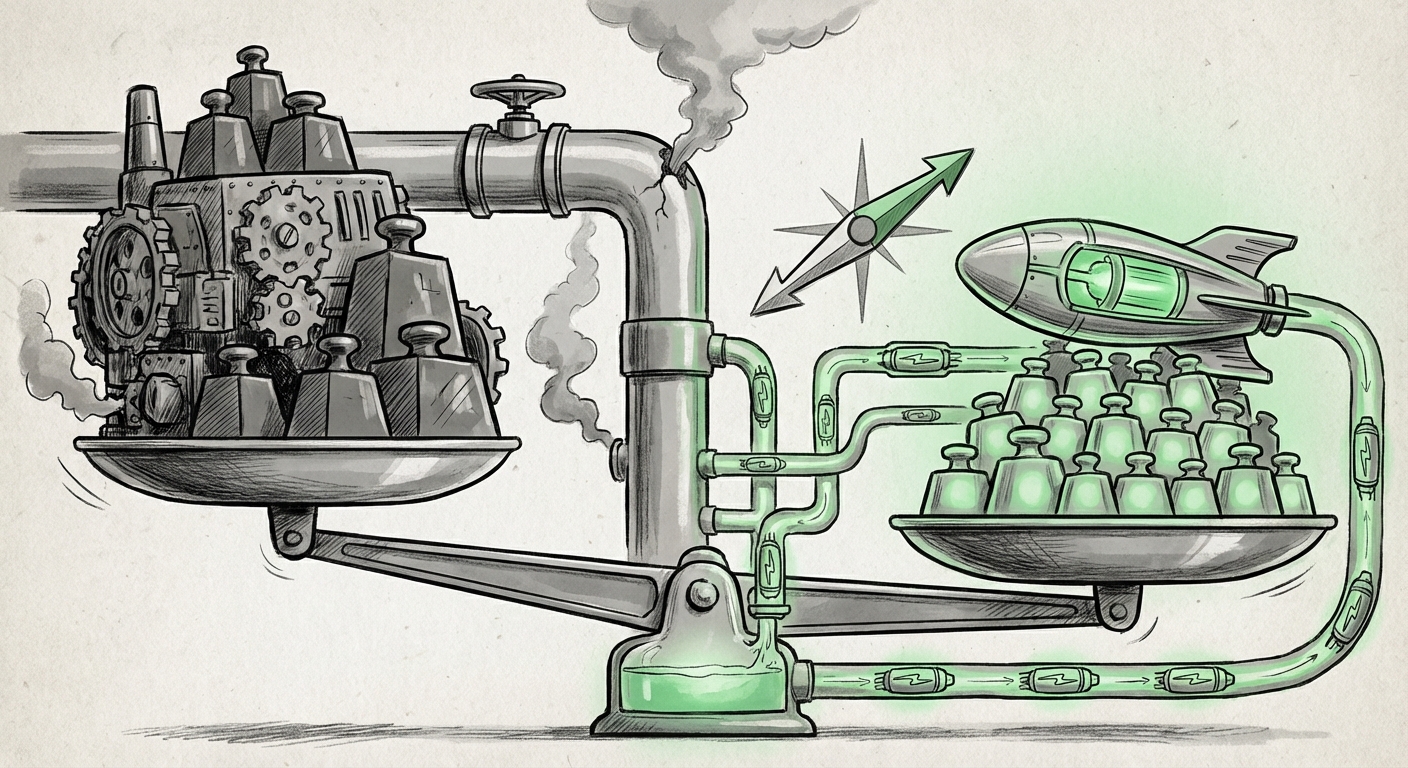
That might sound like a small thing. It isn't. Because the story of modern AI is not only a story about bigger models and faster chips. It is also a story about the people who maintain the plumbing, and what happens when that plumbing is taken for granted.
A Small Announcement With a Big Signal
The title itself is telling. The word "memoirs" suggests memory, reflection, and lived experience. It is not a changelog. It is not a release note. It is a personal record.
That choice matters because the AI industry has a habit of talking about software as if it appears out of thin air. A new model gets announced, a benchmark score gets shared, and everyone moves on. What gets left out is the years of small fixes, compatibility patches, documentation rewrites, and thankless cleanup work that make any of it usable in the first place.
TorchVision sits right in that unglamorous middle layer. It is the bridge between raw deep learning frameworks and the real tasks people care about: recognizing objects in photos, tagging images, detecting motion, analyzing video. It is not the flashy part of AI. It is the part that makes the flashy part possible.
When a developer working on that layer decides to write a memoir series, it signals that the people inside these projects want the outside world to understand what the work really involves. And that is a shift worth paying attention to.
The Unseen Work That Keeps AI Running
Most businesses that use AI today do not build their models from scratch. They pull in open-source libraries, fine-tune something, and ship it. That shortcut is only possible because a relatively small group of maintainers keeps those libraries alive.
This is where the real risk sits. A company may build a product on top of a computer vision library, hire a team, raise money, and scale, all without ever knowing who is keeping that library secure, tested, and compatible with the latest hardware.
That dependency chain is fragile. A single maintainer burning out can stall a project that thousands of companies rely on. A missing test can introduce a silent bug that shows up months later in a production system. A documentation gap can cost a team weeks of wasted effort.
A "memoirs" series pushes these issues into the open. It turns maintenance from an invisible chore into a story people can follow, understand, and, ideally, support.
Why Storytelling Is Becoming Infrastructure
For years, open-source projects competed on features. The best library won. But as AI tools have matured, features alone no longer decide winners. What decides winners is trust, clarity, and community.
Developers do not just ask "which library is fastest?" They ask:
- Is this project actively maintained?
- Can I understand how it works?
- Do the maintainers respond to problems?
- Will this still work in two years?
A blog series written from the inside answers those questions in a way a technical document cannot. It shows the human judgment behind the code. It reveals why certain decisions were made and which trade-offs were accepted. That kind of transparency builds confidence that no marketing page can manufacture.
In the AI era, storytelling is not a soft skill bolted onto engineering. It is part of the product.
The Human Side of Machine Learning
There is a strange irony in AI: the more automated the technology becomes, the more it depends on human care. Someone has to decide what counts as a good result. Someone has to clean the data. Someone has to notice when a model behaves badly on real-world images and figure out why.
A memoir from a TorchVision developer makes that human layer visible. It reminds us that AI systems are not natural forces. They are built by people, maintained by people, and limited by the attention those people can give.
This matters for how we plan. If a business treats an AI library as a free, eternal, self-healing resource, it is making an assumption that has never been true. If a government builds a public service on top of an open-source model without understanding its maintenance needs, it is taking on a hidden liability.
Understanding the human side of AI is not sentimental. It is practical risk management.
What This Means for the Future of AI
Looking forward, a few clear trends come into focus.
1. Tooling Will Become the Real Battleground
Model architectures are increasingly similar across companies. The advantage is shifting to whoever has the better pipeline, better data handling, better testing, better deployment, better monitoring. Libraries like TorchVision sit at the center of that pipeline. Investment in the tooling layer will matter more, not less, as AI spreads into every industry.
2. Documentation and Transparency Will Be Competitive Advantages
As more non-specialists adopt AI, the ability to explain how a tool works becomes a growth driver. Projects that treat explanation as a first-class deliverable will attract more users, more contributors, and more enterprise trust. The memoir format is an early example of this trend, and it will likely spread.
3. Maintenance Will Be Funded More Seriously
The gap between how much value open-source AI creates and how much support its maintainers receive is unsustainable. Expect to see more corporate sponsorship, foundation backing, and formal support contracts. The alternative, waiting for a critical library to break, is far more expensive.
4. AI's Story Will Be Written by Its Builders
For the past decade, AI narratives were shaped mostly by announcements and benchmarks. The next decade will be shaped by practitioners explaining what actually works, what breaks, and what nobody warns you about. First-person accounts from inside major projects are the beginning of that shift.
Practical Implications for Businesses and Society
If you run a team that depends on open-source AI, and almost every team does, the lessons here are direct and usable.
Know your dependencies. List every open-source AI library in your stack. Note who maintains it and how active the project is. If a critical piece rests on one person's spare time, that is a business risk, not a technical detail.
Budget for support, not just usage. Using a library is free. Depending on it is not. Set aside time and money for upgrades, security reviews, and contributions back to the projects you rely on.
Value the invisible workers. The people who fix bugs, review code, and write documentation are creating real economic value. Companies that recognize and reward that work, internally and in the open-source world, build more resilient systems.
Treat explanation as an engineering task. If your team builds internal AI tools, invest in explaining them clearly. The cost of confusion is measured in wasted hours and duplicated mistakes.
Watch the maintenance layer for early warnings. A project that stops publishing, stops responding, or stops documenting is a project in trouble. Early signals like these give you time to adapt.
Actionable Insights: What to Do Now
- Audit this quarter. Map your AI stack and flag any library with a single maintainer or no recent activity.
- Create a contribution policy. Give engineers time to file issues, submit fixes, or improve docs in tools you depend on.
- Sponsor what you use. Even modest, recurring funding makes open-source projects more stable and more likely to survive.
- Build a knowledge log. Encourage your own engineers to document decisions and lessons, the same spirit behind a developer memoir.
- Train for literacy, not just usage. Teams that understand how their tools work debug faster and choose better tools.
The Road Ahead
The "Memoirs of a TorchVision developer" series began on August 21, 2021, with no fanfare. But it captures something the AI industry is slowly learning: the future of artificial intelligence will not be decided only by who builds the smartest model. It will be decided by who builds the most reliable, understandable, and well-supported foundations underneath it.
That means paying attention to the maintenance layer. It means respecting the people who do quiet, essential work. And it means accepting that as AI grows more powerful, the human story behind it grows more important, not less.
The most advanced technology in the world still runs on the care of people willing to write things down, fix things properly, and explain what they learned. That is not a side note to the AI story. It is the foundation of it.