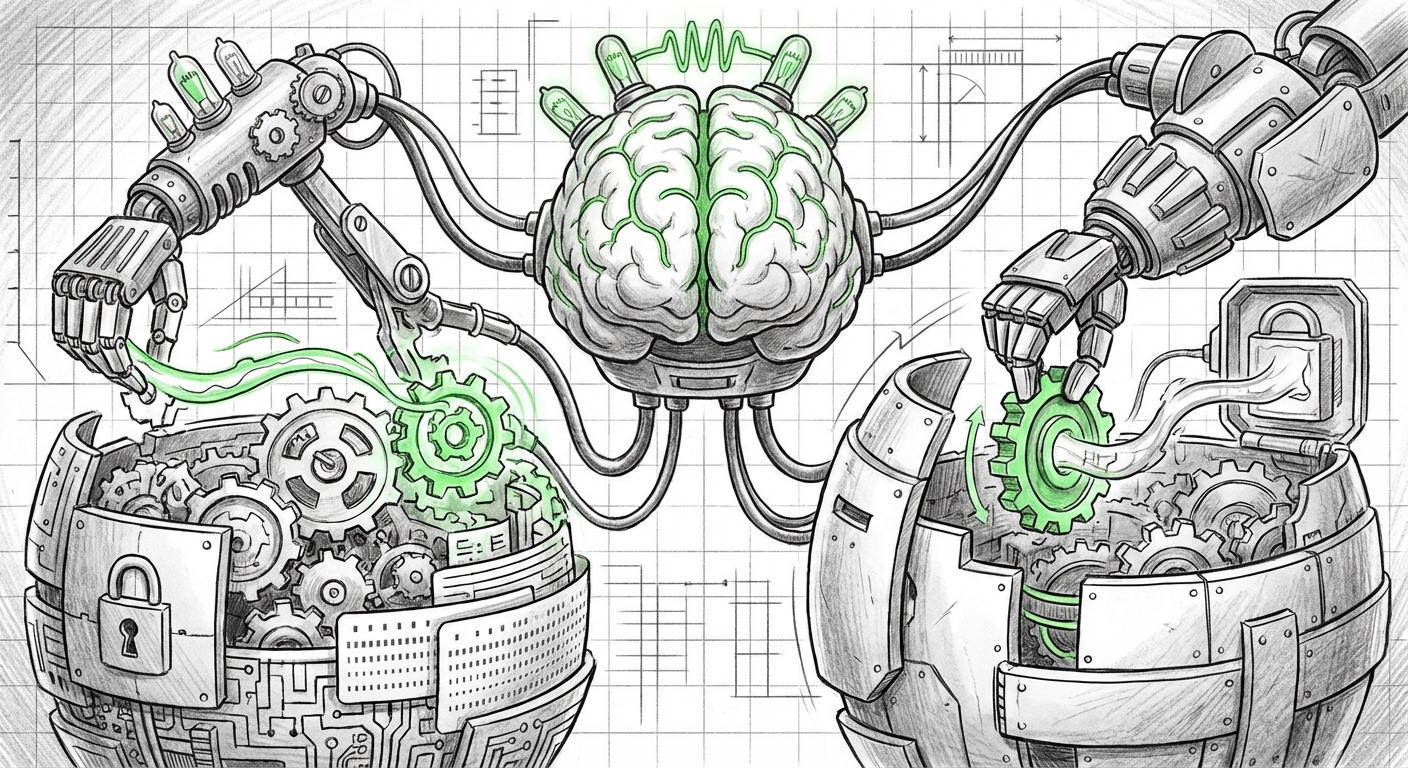
Diesel Prices Set to Stay High Through 2027: What It Means for AI Data Centers and the Future of Energy-Hungry Tech
Goldman Sachs has a message for anyone betting on cheap fuel in the next few years: don't count on it. The firm's analysts now expect diesel prices to stay high through 2027, because refineries around the world are simply struggling to keep up with demand. That's a big deal on its own, diesel powers trucks, ships, farms, and construction sites. But there's a second story hiding underneath it, and it's the one the tech world should be paying attention to.
Because diesel is quietly one of the most important fuels in the artificial intelligence boom. It powers the backup generators that keep data centers alive when the grid fails. It fuels the trucks and cranes building those data centers. It moves the servers, the cooling gear, and the raw materials. And it sits at the center of a growing energy crunch that AI is making worse, not better.
So when a major forecast says diesel stays expensive for years, it isn't just a story about trucking. It's a story about the cost of building and running the machines that think.
Why Refineries Can't Keep Up
The core problem is simple supply and demand. Global demand for diesel and other middle-distillate fuels keeps rising, driven by freight, industry, and heavy equipment. But refining capacity hasn't grown to match it. Adding new refining capacity takes years and billions of dollars, and many older plants have been shutting down or converting to other products instead of expanding.
The result is a market that stays tight. When supply can't stretch, prices stay high even when crude oil itself isn't spiking. That's the world Goldman now expects through 2027: not a temporary pinch, but a longer stretch of expensive diesel.
For most people, that shows up as pricier shipping and higher costs on everything that moves by truck. For the AI industry, it shows up in some very specific places.
The Diesel Behind Every AI Data Center
Here's something most people never think about: the giant buildings full of AI chips need almost constant electricity, and they cannot afford to lose it. A sudden power cut doesn't just pause things, it can damage hardware and wipe out work.
That's why nearly every serious data center has a bank of diesel backup generators. These are massive engines that sit idle most of the year, then roar to life when the grid goes down or when power demand spikes past what the local utility can supply. They're tested regularly, and they burn real fuel when they run.
When diesel gets more expensive and stays that way, several things happen:
- Operating costs rise. Keeping generators fueled, tested, and ready costs more when the fuel itself costs more.
- Fuel storage becomes a bigger investment. Data centers already store large amounts of diesel on-site. Building more storage is expensive.
- Insurance and risk planning shift. The value of guaranteed uptime goes up when the backup fuel is pricier and harder to lock in at a stable rate.
- Long-term power contracts get rethought. Companies start asking whether diesel is the right backup at all.
None of this kills AI. But it changes the math. And it pushes the industry toward something it probably needed to do anyway: find a better backup plan.
The Buildout Problem: Construction Runs on Diesel
Before a data center can run, it has to be built. And the AI buildout is one of the largest construction projects in modern history, new campuses, new power plants, new transmission lines, new cooling systems.
Almost all of that heavy work runs on diesel. Excavators, cranes, bulldozers, generators at job sites, and the trucks hauling materials and equipment. When diesel stays expensive, the cost of building AI infrastructure stays higher too. That stacks on top of already rising costs for land, chips, and electrical gear.
There's a logistics layer as well. AI hardware, servers, networking gear, cooling units, moves through ports and trucking networks that all burn diesel. High fuel prices ripple through freight rates, and freight rates end up on the invoice.
Why This Matters for AI's Energy Appetite
AI models are hungry. Training them and running them takes enormous amounts of electricity, and demand for that power is climbing fast. Utilities are being asked to supply more power than they have in decades, and many are scrambling to build capacity.
Cheap, reliable power was always the quiet foundation of the cloud. Now that foundation is getting more expensive and more complicated. High diesel prices add pressure from a different direction, they raise the cost of the fuel-based backup that fills the gaps when the grid can't deliver.
The smarter players are already reacting. Some are signing long-term renewable energy deals. Some are investing in battery storage to replace or reduce diesel backup. Others are looking at small modular reactors and other advanced power sources. High diesel prices don't cause these shifts alone, but they make them more urgent and more financially attractive.
Where AI Fights Back
Here's the twist: AI is also part of the solution to the very energy crunch it's helping to create.
Smarter Refineries
Refineries are complex, and small efficiency gains matter enormously. AI-driven monitoring and predictive maintenance can catch equipment problems before they cause unplanned shutdowns. Every avoided outage means more fuel supply in a tight market. This doesn't solve the capacity problem overnight, but it squeezes more output from the plants that already exist.
Smarter Logistics
When fuel is expensive, every wasted mile hurts more. AI route planning, load matching, and demand forecasting can cut fuel use across trucking fleets and supply chains. This is arguably where AI pays for itself fastest in a high-diesel world: less fuel burned per delivery is immediate, measurable savings.
Smarter Buildings and Data Centers
AI is increasingly used to tune cooling, shift workloads to times when power is cheaper, and manage backup systems more efficiently. A data center that runs its generators less, and runs them only when truly needed, burns less diesel. That's a direct cost saving in a market where diesel stays expensive.
Smarter Grids
Forecasting demand, balancing supply, and integrating renewables all benefit from AI. A smarter grid means fewer emergency situations, and fewer emergencies means less diesel burned in backup generators.
Practical Implications for Businesses
If you run a business, the through-line here is straightforward: energy costs are becoming a strategic issue, not a line item you ignore.
- Model higher fuel costs into your plans through 2027. Don't assume diesel gets cheap again. Build scenarios where it stays expensive.
- Look at your logistics with fresh eyes. Route optimization and load consolidation that seemed "nice to have" are now direct money savers.
- Reassess backup power. If you depend on diesel generators, price out battery storage and other alternatives. The payback math has changed.
- Lock in energy contracts where you can. Long-term agreements protect against the volatility that tight fuel markets bring.
- Use AI where the savings are clear. Prioritize projects with fast, measurable returns, fuel savings, energy savings, reduced downtime.
What This Means for the Future of AI
The diesel forecast points to a bigger trend: AI's growth is now limited by physical stuff, power, fuel, land, equipment, and the people who build it all. For years, the story was about chips and software. Now the bottleneck is the real world.
That changes how AI gets built. Companies that once ignored energy strategy are hiring energy experts. Data center designers are rethinking backup power from the ground up. And investors are paying closer attention to which AI companies have secured reliable, affordable power, and which haven't.
It also changes how AI gets used. When energy is expensive, the most valuable AI applications are the ones that save energy and money: optimizing freight, tuning buildings, predicting equipment failures, and squeezing waste out of industrial processes. Those tools become must-haves rather than experiments.
And there's a longer-term shift worth watching. Persistent high diesel prices create steady pressure to electrify everything from trucks to job sites to backup power. That electrification pushes more demand onto the grid, which AI data centers are already straining. The two trends feed each other, and both push the world toward faster investment in new power generation and storage.
In other words, the diesel story and the AI story are becoming the same story. Both are about energy. Both are about infrastructure that takes years to build. And both are about a world where the cost of power is no longer background noise, it's the main event.
The Bottom Line
Goldman's call that diesel stays expensive through 2027 is a warning about a tight, slow-to-fix fuel market. For AI, it's a reminder that intelligence still needs electricity, and electricity still needs fuel, wires, and machines. The companies that treat energy as a core part of their AI strategy, not an afterthought, will be the ones that keep growing when costs stay high.
The future of AI won't be decided by model sizes alone. It'll be decided by who can power it, build it, and cool it without breaking the budget. Diesel prices are one more signal that the physical world is back at the center of the tech story.