Warehouse Robot Maker Ultra Robotics Lands $62M: What This Means for the Future of AI
Sixty-two million dollars is a big number. But the size of the check is not the most interesting part of this story. What matters is where that money is going.
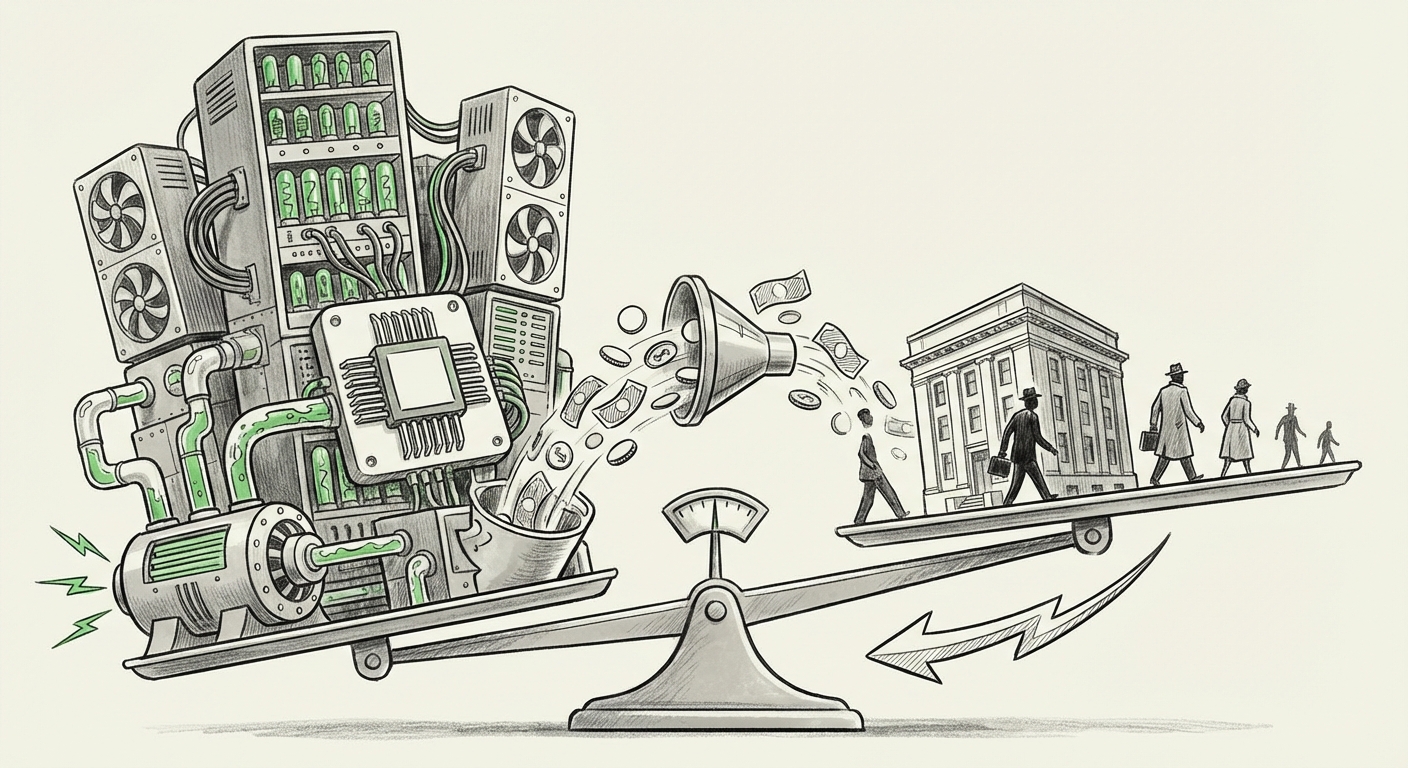
In October 2026, Ultra Robotics, a company that builds robots for warehouses, raised $62 million in new funding. It is a vote of confidence in one company. It is also a clear signal about where artificial intelligence is heading next: off the screen and onto the floor.
For years, the biggest AI stories were about software you could talk to. Chatbots that write, code, and answer questions. Those tools changed how we work at desks. But the physical world, boxes, pallets, aisles, forklifts, has been slower to change. That is starting to shift. Funding rounds like this one show investors are betting real money on machines that do things rather than just say things.
The Headline: $62 Million for Warehouse Robots
Ultra Robotics makes robots that work in warehouses. That is a tough place to build for. Warehouses are loud, crowded, and full of fast-moving people and machines. A robot that works perfectly in a lab can fail badly in a real distribution center.
The $62 million gives Ultra Robotics room to grow. New funding at this stage usually goes toward a few things: building more units, improving the software that controls them, hiring engineers, and, most importantly, helping customers actually get the robots running. Deployment is the hard part. Selling a robot demo is easy. Keeping a hundred of them working at 3 a.m. on a busy night is not.
Why Warehouses Are the Front Line of Physical AI
If you wanted to design the perfect training ground for AI that moves through the world, you would probably build a warehouse.
- It is structured. Shelves are in known places. Aisles are the same width. The rules of the space are predictable.
- It repeats. The same tasks happen thousands of times a day. That creates a huge amount of data for a system to learn from.
- The payoff is visible. If a robot speeds up picking or moving goods, the savings show up on a spreadsheet. You do not have to argue about value in the abstract.
- The pressure is real. Warehouses need to move more goods, faster, with fewer errors, and hiring enough people to do that work has been a constant challenge.
That mix explains why the warehouse has become the proving ground for robots that use AI to see, plan, and act. It is the closest thing we have to a controlled world where physical AI can succeed at scale before it moves somewhere messier.
What This Money Really Signals
A $62 million round does more than fund one company's roadmap. It tells the whole market something. It says that investors believe warehouse robotics is not a science project anymore. It is a business.
That belief matters because robotics is expensive. Building hardware burns cash fast. Inventors need money for parts, testing, safety certification, and support teams. When money flows into this space, it usually means the technology has crossed a line, from "interesting prototype" to "something customers will pay for."
It also puts pressure on the sector. When one company raises a large round, others are expected to show results. The race stops being about who has the cleverest idea and becomes about who can deploy the most robots without breaking things.
What This Means for the Future of AI
1. AI Gets a Body
Most AI we use today lives in software. It reads and writes text, images, and code. Physical AI has to deal with gravity, friction, and surprise. A box slips. A pallet is crooked. A person walks into the robot's path.
Every dollar spent solving those problems pushes the whole field forward. The lessons learned in a warehouse, how to handle messy reality, how to recover from mistakes, how to work safely near humans, apply far beyond warehouses. Factories, farms, hospitals, and construction sites all face the same challenges. The warehouse is the classroom.
2. Data Becomes the Moat
A robot that works in the real world produces something valuable: experience. Every pick, every near-miss, every adjusted path becomes a data point. Companies that deploy the most robots collect the most experience, and those systems get better faster.
This creates a flywheel. Better robots win more customers. More customers mean more robots in the field. More robots mean more data. More data means better robots. It is the same pattern we saw in search engines and social platforms, now playing out in hardware. The company that spins that wheel fastest can pull away from the pack.
3. The Real Prize Is Coordination
One smart robot is impressive. A hundred robots working together, without bumping into each other or waiting around, is a business. The hard problem is not just making a single machine smart. It is orchestrating a fleet, assigning tasks, balancing workload, rerouting around problems, and keeping everything moving.
That is a software and AI problem, and it is probably where a lot of the next wave of value will be created. Fleets are also easier to sell than individual machines, because customers buy an outcome, goods moved per hour, rather than a piece of equipment.
4. People Move Up the Stack
Robots in warehouses do not remove the need for people. They change what people do. Instead of walking miles a day carrying items, workers increasingly supervise, troubleshoot, and manage fleets. That is a real shift, and it is not always easy. A job that changes shape can feel like a job lost, even when the paycheck stays.
Practical Implications for Businesses
If you run a business with any kind of physical operation, this funding news is worth more than a passing glance. Here is what it suggests.
The Cost of Automation Is Falling
As more players enter the market and technology matures, prices tend to come down. Robots that once only made sense for the largest operations become affordable for mid-sized ones. If you looked at automation two years ago and decided it was too expensive, that calculation may have changed.
Robots-as-a-Service Is Growing Up
Many companies do not want to buy robots outright. They want to pay for results, per pick, per pallet, per month. Subscription-style models remove the risk of a big upfront purchase and shift the burden of maintenance to the vendor. Watch for more of this as the sector matures.
Integration Is the Hidden Cost
The robot is often the easy part. The hard part is the warehouse management software, the layout, the workflow, the safety rules, and the training. Budget for change management, not just hardware. Companies that skip this step end up with expensive machines sitting idle.
Your Workforce Plan Needs a Refresh
If automation is coming to your operation, start planning now. Which tasks will be handled by machines? Which roles will grow? Who needs training to become a robot supervisor or maintenance technician? The businesses that answer these questions early will have a much smoother transition than those that wait.
The Risks Nobody Puts in the Press Release
A big funding round is a moment of optimism. It is worth remembering what can go wrong.
- Pilot purgatory. Many robotics projects get stuck in trials and never scale. A successful pilot is not proof of a successful rollout.
- Integration drag. Older facilities were not built for robots. Retrofitting can be slow, costly, and disruptive.
- ROI math. If a robot is down for repairs, the savings disappear. Uptime is everything.
- Job disruption. Even when automation creates new roles, the people affected may not be the ones who get them without support and training.
- Safety and trust. Machines sharing space with people need to be genuinely safe, not just safe on paper. One bad incident can slow an entire industry.
Actionable Insights: What to Do Now
- Map your physical tasks. List the repetitive, high-volume jobs in your operation. Those are your automation candidates.
- Run a small pilot with clear metrics. Decide in advance what success looks like, units per hour, error rate, cost per task, so you know when to scale and when to stop.
- Ask vendors about uptime, not features. A less flashy robot that runs all day beats a clever one that needs constant attention.
- Look at subscription pricing. It lowers upfront risk and keeps the vendor invested in your results.
- Invest in your people early. Train supervisors and technicians before the robots arrive, not after.
- Watch the data question. Understand who owns the operating data your robots generate. It may become your most valuable asset, or someone else's.
The Road Ahead
Ultra Robotics raising $62 million is one data point, not a turning point on its own. But it fits a pattern that has been building for a while. AI is moving from the screen to the world. The companies that figure out how to make machines work reliably alongside people, at scale, will shape the next decade of work.
For anyone running a business with physical operations, the message is simple: this is no longer a future problem. It is a planning problem. The tools are getting better, cheaper, and more proven. The question is not whether robots will show up in your industry. It is whether you will be ready when they do.