Edits Film Festival Official Selection Announced: What It Means for AI in Filmmaking
The official selection for the Edits Film Festival has been announced, dated October 13, 2026. On the surface, that is a lineup story, the kind of news film fans follow every festival season. But look a little closer at the timing and the shape of the industry, and this announcement becomes something bigger. It is a checkpoint. It marks where the craft of editing and storytelling sits at a moment when artificial intelligence has moved from a novelty in the edit suite to a genuine part of how films get made, finished, and discovered.
This article is not a review of the selection itself. It is an analysis of what a selection moment like this tells us about AI's role in film, and what businesses, creators, and everyday viewers should take from it.
Why a Festival Selection Is Now an AI Story
For most of the last several years, the debate about AI in film has been loud but abstract. People argued about whether machines could write a script, generate a shot, or cut a trailer. Those arguments are not settled. But what has changed is that AI has quietly slipped into the parts of filmmaking that nobody puts on a poster: organization, assembly, cleanup, translation, color, sound repair, and the endless small decisions that turn hundreds of hours of footage into ninety minutes of story.
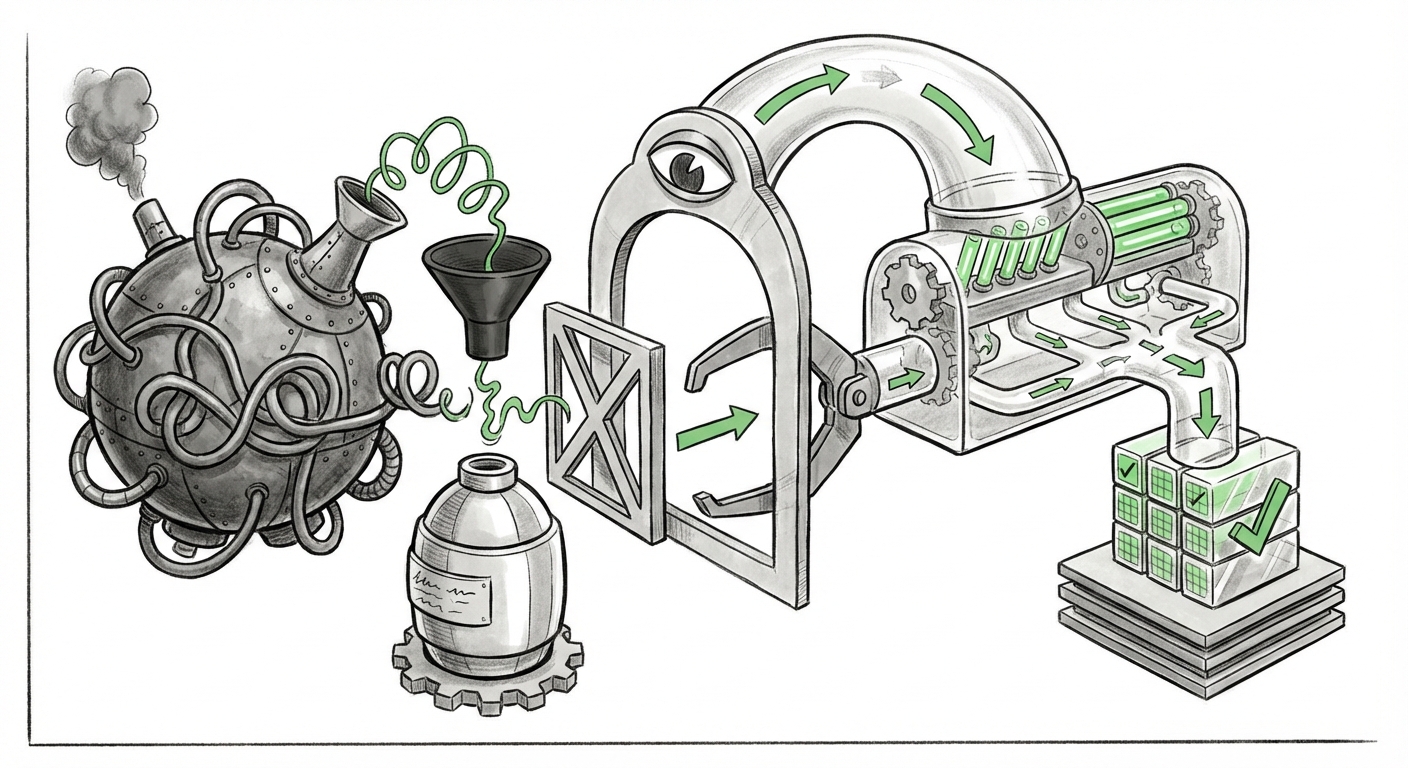
An official selection announcement is the end of that invisible work. By the time a film appears on a festival lineup, it has been through a pipeline. Metadata has been tagged. Footage has been searched, sorted, and synced. Rough cuts have been tested and re-tested. Dialogue has been cleaned. Subtitles have been produced in multiple languages. In a growing number of productions, AI tools sit somewhere inside that pipeline, not as the director, but as the assistant that never sleeps.
That is the real story behind a lineup drop in 2026. The selection is the visible tip. The workflow beneath it is where the change lives.
The Three Shifts AI Is Driving in the Edit Room
1. Search replaces hunting
Editors used to spend hours scrubbing through bins. Now, footage can be indexed so that a team can search for things like "wide shot, rain, no dialogue" and get results in seconds. This sounds like a small convenience. It is not. It changes how many ideas an editor can try in a day. More attempts mean better cuts, and better cuts mean better films.
2. Assembly becomes collaborative
AI-assisted assembly tools can produce a rough version of a scene from a transcript or a set of instructions. Human editors then reshape it. This flips the old workflow. Instead of building from nothing, editors start from something and improve it. The craft shifts from construction to judgment, and judgment is exactly where human skill still wins.
3. Localization stops being an afterthought
Subtitling, dubbing, and captioning used to be slow, costly steps tacked on at the end. Machine translation and voice tools have compressed that timeline dramatically. For a festival film, that means a story told in one language can reach audiences in dozens of others far faster than before. For a business, it means the same content can serve many markets at once.
What This Means for the Future of AI
The most important lesson from a milestone like this is about where AI actually creates value. It is rarely in the flashy, fully automated end of the spectrum. It is in the middle, the messy, repetitive, judgment-heavy work that humans are slow at and machines are fast at.
Three trends follow from that.
First, AI is becoming infrastructure, not a headline. The tools that matter most in creative work are the ones people stop talking about because they are simply expected. When a technology reaches that point, adoption stops being a decision and becomes a default.
Second, taste becomes the scarce resource. If anyone can generate footage, assemble a rough cut, or localize a film, then the differentiator is no longer access to tools. It is knowing what is good. Curators, editors, and festival programmers become more valuable, not less.
Third, proof of human work becomes a product feature. As AI involvement grows, audiences and buyers will want to know how a film was made. Expect credits, disclosures, and provenance records to become as normal as a rating or a runtime.
Practical Implications for Businesses
Film is often the first place new media technology gets tested, because the stakes are creative and the feedback is public. What happens in an edit suite usually reaches the rest of the business world within a couple of years. Here is what that looks like in practice.
- Content operations get cheaper at the edges. Transcription, tagging, captioning, translation, and versioning are the tasks most ready for automation. Start there, not with the creative core.
- Small teams can now look bigger. A five-person marketing team with good AI tooling can produce what used to require a production house. That is a competitive opening for smaller firms.
- Review and approval becomes the bottleneck. When production speeds up, the slow part moves to decision-making. Companies that fix their approval process will get more out of the same tools.
- Quality control is not optional. AI output still needs a human check. Budget for that review step or you will pay for it later in brand damage.
The Risks Nobody Should Skip
None of this is frictionless. Three problems deserve attention.
Rights and consent. Training data, likeness, and voice are legal minefields. Productions that skip this step create risk that outlives the film.
Homogenization. If everyone uses similar models trained on similar data, output can start to look and sound the same. Festivals exist partly to fight that. Selection committees, by design, reward the strange and the specific.
Trust. Audiences are not naive. If they feel tricked about how something was made, the backlash is real. Being open about AI use is safer than being quiet about it.
Actionable Insights: What to Do Now
Whether you run a studio, a marketing department, or a solo creative practice, the same playbook applies.
- Map your pipeline before you buy tools. Find the steps that are repetitive, text-heavy, or search-heavy. Those are your first wins.
- Keep humans at the decision points. Automate the work around the choice, not the choice itself.
- Document your process. Track what AI touched and what it did not. This protects you legally and builds trust with audiences.
- Invest in taste. Training, mentorship, and curation are now strategic assets, not soft extras.
- Watch the festivals. Lineups are an early signal of what the industry values next. What gets selected this season often becomes the standard working method two seasons later.
The Road Ahead
An official selection announcement is a small event with a long shadow. It confirms that a set of films made it through a competitive process. But it also confirms something about the tools and workflows behind them, that AI has become a normal part of how stories get finished, and that the industry has stopped treating that as shocking.
The next phase will not be about whether AI belongs in creative work. That argument is mostly over. The next phase is about standards: how work is credited, how rights are handled, how quality is protected, and how human judgment stays at the center of the things that matter.
For businesses outside film, the lesson is simple and transferable. The winners will not be the companies that adopt the most AI. They will be the ones that use it in the boring middle of the process, keep people in charge of taste, and tell the truth about how the work was made.
TLDR: The Edits Film Festival official selection was announced on October 13, 2026, and while it looks like a routine lineup story, it reflects a bigger shift: AI has quietly become normal inside the filmmaking pipeline, handling search, assembly, cleanup, and localization rather than replacing creative judgment. For the future of AI, that means the real value is in unglamorous middle-of-the-workflow tasks, while taste, curation, and trust become the scarce resources. Businesses should automate the repetitive edges, keep humans at decision points, document what AI touched, and treat festival selections as an early signal of where the industry is heading next.