AI Security Operations Inside Your Own Walls: What Trellix Wise for Private Cloud Means for the Future of AI
Something important is changing in the way companies use artificial intelligence. For the last few years, the easiest way to get AI power was to send your data to someone else's cloud. That worked fine for writing emails and summarizing documents. It does not work fine for security teams guarding their most sensitive alerts, logs, and network details.
Now Trellix has taken a different path. Its Trellix Wise for Private Cloud offering runs AI security operations inside the customer's own environment. The product was announced on October 13, 2026. That single design choice says a lot about where AI is heading next, and why the question of "where does the AI actually run?" may matter more than the question of "how smart is the AI?"
The Headline: AI That Never Leaves the Building
Security operations centers are drowning. Firewalls, laptops, servers, cloud apps, and identity systems all produce a constant stream of warnings. Analysts have to sort real threats from noise, and they have to do it fast. This is exactly the kind of work AI should handle well, pattern matching at massive scale, all day, without getting tired.
The catch has always been the data. Security telemetry is some of the most sensitive information a company owns. It can reveal how a network is built, which systems are weak, who logged in when, and where the crown jewels live. Handing that to an outside AI service is a hard sell for banks, hospitals, governments, and defense contractors.
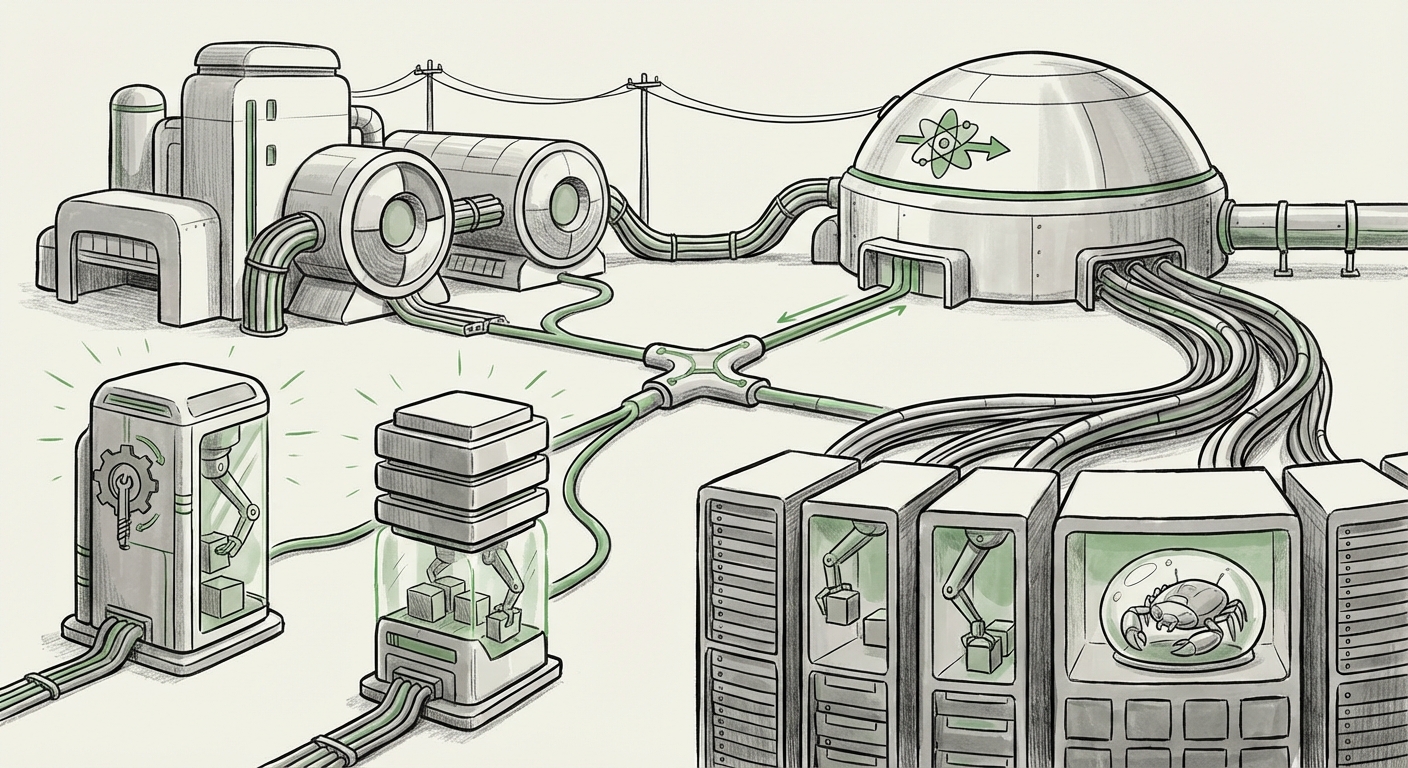
Trellix Wise for Private Cloud addresses that head-on. Instead of shipping data out to a shared AI service, the AI security operations run within the customer's environment. The intelligence is brought to the data rather than the data being brought to the intelligence. For companies that have been saying "we love AI, but we cannot send this data anywhere," that is a meaningful unlock.
Why 'Where the AI Runs' Is the New Battleground
Think of it like a doctor. You might be happy to get a general health tip online. You are far less likely to upload your full medical records to a random website. The more sensitive the information, the more you care about who holds it and where it rests.
That same logic has now caught up to enterprise AI. Data rules like GDPR in Europe and a growing patchwork of privacy and sovereignty laws elsewhere mean that moving data across borders is not just a technical choice, it is a legal one. Add industry rules for finance and healthcare on top, and the result is clear: for many organizations, the AI must stay close to home.
This is not a small trend. It is a fork in the road for the entire AI industry. On one side are cloud-first AI services that win on raw scale and constant updates. On the other side are in-environment deployments that win on control, compliance, and trust. Trellix Wise for Private Cloud plants a firm flag on the second side, and it will not be alone there for long.
From Helper to Teammate: The Agentic Shift
There is a second shift wrapped inside this one. Early AI security tools were helpers. They wrote summaries, drafted reports, and suggested next steps, then waited for a human to act.
The next wave is more like a teammate. AI agents can investigate an alert on their own, pull related events together, decide whether something is a real threat, and take a first action, like isolating a machine or blocking an account, before a person even opens the ticket.
That jump from suggesting to doing is powerful. It is also where the deployment question becomes urgent. If an AI agent can take action inside your network, you need to know exactly where it lives, what it can touch, and who can switch it off. Running it inside your own environment makes those answers much easier to give.
What This Means for the Future of AI
Deployment becomes a product feature
For years, AI products were judged mostly on accuracy. That is no longer enough. Buyers will increasingly ask three questions before anything else: Where does the model run? Who can see my data? What happens if I want to walk away?
Expect "private cloud" and "in-environment" options to go from premium add-ons to standard checkboxes across the AI market. The vendors that treat data location as a first-class feature, not an afterthought, will win the regulated industries.
The trust ladder
Adoption is climbing a ladder. Rung one was AI that drafts text. Rung two is AI that analyzes sensitive data. Rung three is AI that takes real actions on real systems. Every rung raises the stakes, and every rung makes customers demand more control. Private cloud deployments are the ladder's handrail.
AI as infrastructure, not an app
When AI runs inside your walls, it stops feeling like an app you log into and starts feeling like infrastructure you own, closer to a firewall or a database than to a chatbot. That shifts the buying conversation toward reliability, upgrades, and long-term support. It also changes who signs the contract: not just the security team, but legal, compliance, and the board.
Practical Implications for Businesses
Compliance gets simpler. If the AI and the data stay in the same place, many of the hardest legal questions get smaller. There is less to document, less to audit, and less to explain to regulators.
Procurement gets harder, in a good way. Teams now need to map every data flow before they buy. That extra homework protects them later.
Skills matter more, not less. An in-environment system needs people who can run it, tune it, and integrate it. The talent crunch in security does not disappear; it moves.
Cost models change shape. Cloud AI usually bills like a utility, pay for what you use. Private deployments lean toward owning and operating. Wise buyers will model both over three years, not three months.
Smaller firms feel a squeeze. Big enterprises can afford private environments. Smaller companies may not, which could widen the gap between the well-defended and the rest. Watch for managed and shared private options to fill that space.
Risks and Open Questions
Running AI inside your own environment is not automatically safer. It changes the risk rather than removing it. A few things to watch:
- Updates and drift. Outside services improve quietly in the background. In-environment systems need a clear plan for how models and threat intelligence get refreshed.
- False confidence. A tool that sounds sure of itself can still be wrong. Human review remains essential, especially for high-impact actions.
- Permission creep. If an AI agent can act, its permissions must be tightly scoped and regularly reviewed.
- Accountability. When an agent blocks a payment system by mistake, who is responsible? Companies need answers before, not after.
- Lock-in in a new form. Owning your deployment can reduce data lock-in but increase platform lock-in. Both deserve a look.
Actionable Steps You Can Take Now
- Map your data. List every place security and business data lives, and note which rules apply to each.
- Ask the location question first. Make "where does the AI run?" the opening question in every vendor demo.
- Start narrow. Pilot on alert triage or log summarization before handing over any action-taking power.
- Keep a human in the loop. Require approval for destructive or high-impact actions until trust is earned.
- Set the guardrails early. Define permissions, logging, and a kill switch before the first agent goes live.
- Measure what matters. Track detection time, response time, false positives, and analyst hours saved, not just model accuracy.
- Plan for refresh. Decide now how updates, retraining, and threat intelligence reach your environment.
The Bigger Picture
Trellix Wise for Private Cloud is one product, but it points at a much larger idea. The AI race is shifting from "who has the smartest model?" to "who can run AI where the data already lives, safely and at scale?" That is a harder problem, and it is the one that will decide which AI tools reach the most sensitive corners of the economy.
For businesses, the message is simple. Control is now a feature. The companies that ask the right questions about data location, agent permissions, and accountability will get the benefits of AI without giving up the keys to the building. The ones that skip those questions may find themselves explaining a mistake they never saw coming.
AI is not just getting smarter. It is moving in. And where it lives will shape what it is allowed to do.