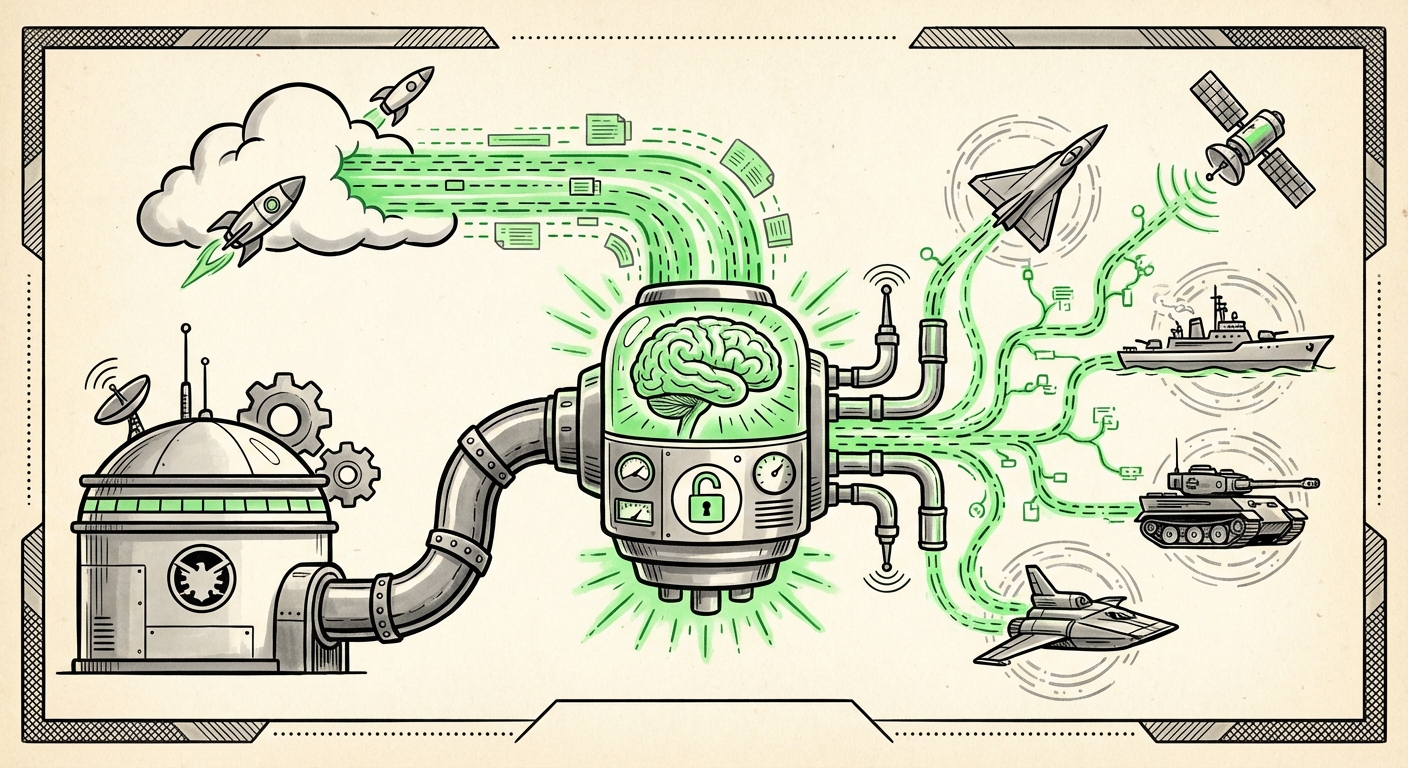
Anthropic IPO Pause Urged by NYC Comptroller: Why AI Safety Is Now a Wall Street Problem
Something unusual happened in the world of artificial intelligence this week. A major city official asked one of the world's biggest AI companies to hit the brakes on going public. The New York City Comptroller publicly urged Anthropic to pause its plans for an initial public offering, or IPO, over concerns about AI safety.
That is not a typical story about a product launch or a new model. It is a story about money, power, and who gets to ask questions before a powerful technology gets sold to the public. And it points to a bigger shift: AI safety is no longer just a research topic. It is becoming a financial and political one.
What Actually Happened
An IPO is the moment a private company sells shares to the public for the first time. It is a rite of passage. It brings in cash, creates a paper value for early employees and investors, and forces the company to open its books. It also locks the company into a new rhythm: quarterly earnings, shareholder expectations, and constant pressure to grow.
The New York City Comptroller asked Anthropic to hold off on that moment. The reason given was AI safety.
That short sentence carries a lot of weight. A comptroller is not a tech regulator. A comptroller is a financial officer. In New York City, that office also helps oversee public pension money, the retirement savings of teachers, firefighters, police officers, and other city workers. So when a comptroller speaks about a company, it is usually about one thing: risk to the people whose money is invested.
Why a Money Official Is Talking About AI Safety
Here is the key insight. AI safety used to sound like a debate for philosophers and researchers. But pension funds are giant, patient investors. They hold money for decades. They cannot afford to bet on a company that might blow up, not just financially, but socially or legally.
Think about what could go wrong with a frontier AI lab.
- Legal risk. New laws about AI could arrive fast and change what a company is allowed to sell.
- Reputation risk. A single serious misuse of a model can damage trust for years.
- Concentration risk. A handful of AI labs now sit at the center of the global economy. If one stumbles, the shock spreads.
- Mission risk. A company built around safety promises may find those promises hard to keep once public shareholders demand faster growth.
For a pension fund, all four of those are financial risks. That is why a comptroller's voice matters. It reframes safety not as charity or caution, but as fiduciary duty, the legal responsibility to protect other people's money.
The Real Tension: Safety Missions vs. Public Markets
Anthropic has built its identity around AI safety. That is not a side project for the company; it is the core of how it presents itself to the world. Going public creates a genuine clash.
Public markets reward speed. They reward growth. They reward beating the other guy this quarter. Safety work often does the opposite. It slows things down. It adds review steps. It sometimes means saying no to a customer or delaying a product.
This is not a hypothetical worry. Ask any public company founder what changed after their IPO. The answer is usually the same: the clock got much louder.
The comptroller's request essentially asks a simple question: Can you keep your safety promises once you have thousands of shareholders watching every quarter? That is a fair question, and it has no easy answer.
What This Means for the Future of AI
1. AI Governance Is Moving Into Finance
For years, the AI safety conversation lived in universities, nonprofits, and government hearings. Now it is showing up in investor letters and pension boardrooms. That is a major shift. Financial institutions have real leverage, far more than a policy paper. When big investors ask questions, companies answer.
Expect more of this. Expect pension funds, insurers, and large asset managers to start asking AI labs hard questions about testing, audits, and guardrails. Not because they suddenly care about philosophy, but because they care about returns.
2. IPOs for AI Labs Just Got More Complicated
Any AI company thinking about going public now has a new item on its checklist: explain your safety practices to public investors. That means writing down things that used to stay internal. What tests do you run? Who reviews risky deployments? What happens when a model misbehaves?
Disclosure is a double-edged sword. It builds trust, but it also creates a written record. If something goes wrong later, lawyers will read those documents carefully.
3. Safety Is Becoming a Competitive Advantage
Here is the counterintuitive part. Companies that can prove their safety work is real may actually attract more patient capital. Big institutional investors like steady, predictable, well-governed businesses. A lab that can show strong safety processes looks less like a gamble and more like infrastructure.
In other words, safety may stop being a cost center and start being a selling point.
Practical Implications for Businesses
You do not need to run an AI lab for this story to matter. If your company buys AI tools, builds on top of them, or invests in tech, the comptroller's move has direct lessons.
Vendor Risk Is Now a Board-Level Topic
Many businesses now depend on a small number of AI providers. If one of those providers faces a governance crisis, regulatory action, or a messy public listing, your operations could feel it. Ask yourself: what happens to my product if my AI vendor's roadmap suddenly changes?
Start Asking Better Questions
Due diligence used to mean checking price, uptime, and security. Now add safety and governance. Useful questions include:
- How do you test your models before release?
- Who decides when a capability is too risky to ship?
- Can you show independent audits?
- What happens if your company is acquired or goes public, do your safety commitments survive?
These questions sound soft. They are not. They are risk management.
Build Exit Ramps
Do not lock yourself into one AI provider for everything. Keep the ability to switch. Use open standards where you can. Keep your own data portable. This is basic business hygiene, and it matters more as AI becomes central to how companies operate.
What It Means for Society
There is a bigger picture here too. AI is becoming like electricity or the internet, a general-purpose technology that touches everything. When something gets that important, society usually demands more say in how it is governed.
Public pension money belongs to nurses, teachers, and transit workers. If that money is invested in AI companies, then those workers have a stake in how those companies behave. The comptroller's request is a reminder that the public is already an AI investor, whether it realizes it or not.
That changes the conversation. AI safety stops being a debate between tech insiders. It becomes a question of public accountability.
Actionable Insights: What to Do Now
- If you run a business: Add AI safety and governance questions to your vendor review process this quarter. Do not wait for a crisis.
- If you invest: Ask companies how safety commitments will survive public-market pressure. Get the answer in writing.
- If you build AI products: Document your safety practices now. Clear records build trust and protect you later.
- If you lead a team: Train people on where AI can fail, not just where it works well. Literacy beats panic.
- If you work in policy or finance: Expect AI governance to become a standard part of investment risk analysis. Get ahead of it.
The Road Ahead
The push to pause Anthropic's IPO may or may not succeed. Companies rarely halt major plans because of one request. But the request itself is the story. It shows that the AI safety debate has moved from the lab to the ledger.
That is probably healthy. For AI to be trusted, it needs more than good intentions. It needs outside scrutiny, clear rules, and people with real power asking hard questions. Financial institutions have that power. Now they are starting to use it.
The next few years will likely bring more moments like this, investors, regulators, and public officials pressing AI companies to explain themselves. The labs that welcome that pressure, and can show their safety work holds up, will be the ones that last.
In the end, the question is not whether AI companies should make money. Of course they should. The question is whether they can grow fast and stay safe at the same time. That is now a question for the market, not just the lab.