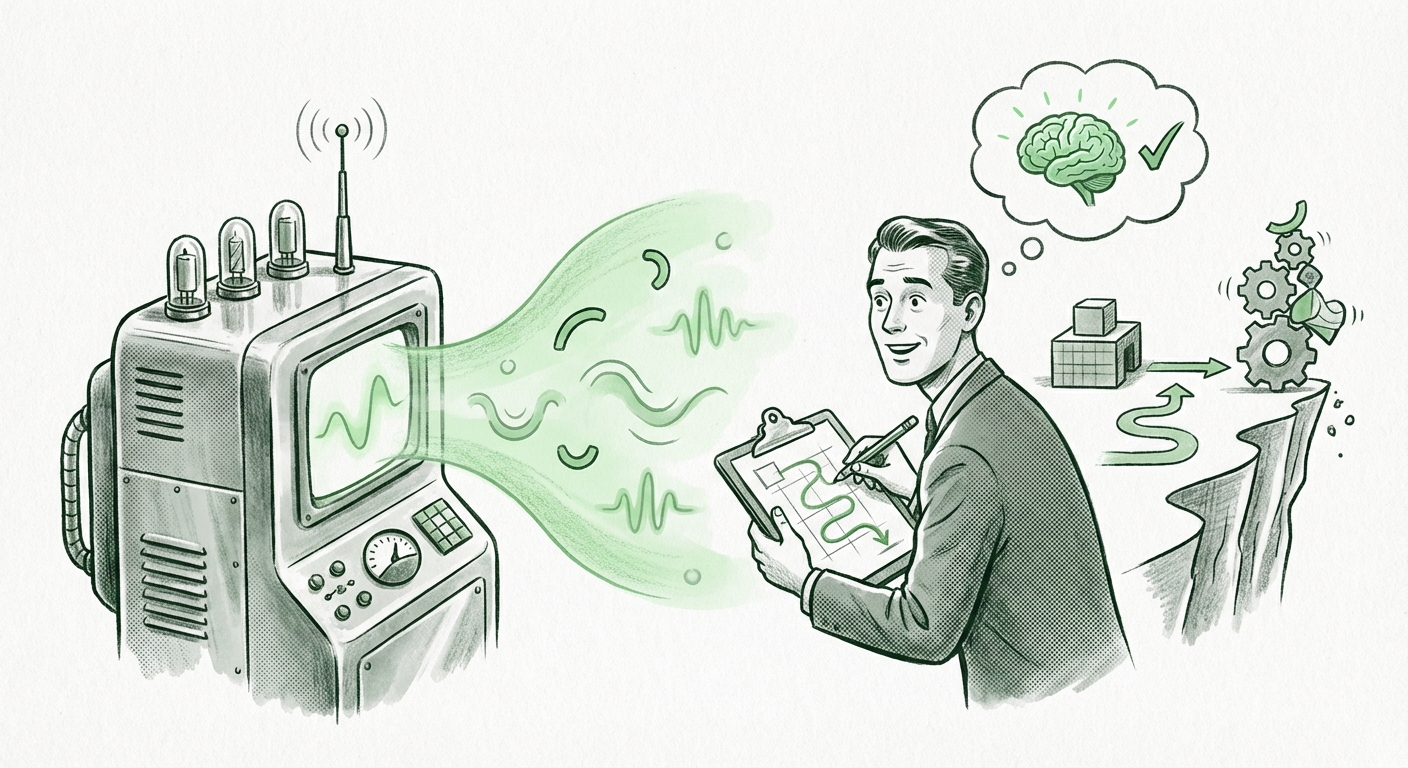
Java's New Open-Source Machine Learning Framework: What It Means for the Future of AI
In 2014, a new open-source machine learning framework written in Java arrived on the scene. On the surface, it sounds like a small technical footnote. A framework is just a set of tools, after all, and Java is not the language most people picture when they think of artificial intelligence.
But look closer, and this small event points to something much bigger. It shows that machine learning was starting to move out of research labs and into the boring, reliable, everyday software that runs the world. That shift, from science project to business tool, is the story of the last decade of AI. And it is still playing out today.
Here is what this moment means, why it matters, and how businesses and regular people should think about it.
The Language Problem Nobody Talked About
For years, machine learning lived mostly in a handful of languages. Researchers liked tools that were quick to write and easy to test. They wanted to try an idea in an afternoon, not spend a week setting up a system. That made sense for experiments.
But experiments are not products. A model that works on a laptop is not the same as a model that serves millions of users every day. Turning a clever idea into something reliable takes a different set of skills: handling errors, managing memory, running on many machines, keeping data safe, and staying up when traffic spikes.
That is exactly where Java has always been strong.
Java powers a huge share of the world's business software. Banks, airlines, insurance companies, retailers, and governments all run on it. It is fast, it is stable, and it works the same way on almost any machine. An enormous number of trained developers already know how to use it.
So when an open-source machine learning framework appears in Java, the message is simple: you no longer have to leave your world to do AI.
Why "Open Source" Is the Real Headline
The fact that the framework is open source may matter even more than the language it is written in.
Open source means the code is available for anyone to read, use, change, and share. That has three powerful effects:
- Trust grows. When people can inspect the code, they can check how it makes decisions. That matters a great deal for anything touching money, health, or personal data.
- Progress speeds up. Thousands of developers can fix bugs and add features far faster than one company ever could alone.
- Costs fall. No license fees, no lock-in to a single vendor, no permission needed to get started.
Open source has become the default engine of modern AI. The biggest advances in the field have been shared openly, and that sharing is a big reason the pace of change feels so fast. A new open framework in Java adds one more lane to that highway.
What This Means for the Future of AI
1. AI Becomes Part of Ordinary Software
The most important effect of bringing machine learning into mainstream programming languages is that AI stops being a separate project. It becomes a feature, like search, or notifications, or a login screen.
Imagine a banking system that already knows a customer's history. Adding a fraud-warning model right inside that system is far easier than building a whole new pipeline. When the tools live where the data lives, ideas turn into products much faster.
2. The Talent Pool Gets Much Bigger
There are far more general software developers than there are machine learning specialists. Every time AI tooling becomes friendlier to mainstream developers, the number of people who can build intelligent features jumps.
That does not mean specialists stop mattering. It means the ceiling rises. A small team can now do what once required a dedicated research group.
3. Reliability Becomes a First-Class Goal
Research code is allowed to break. Production code is not. As machine learning moves into frameworks built for serious business systems, the field is forced to grow up. Error handling, testing, monitoring, and performance stop being afterthoughts.
This is a healthy change. The future of AI will not be won by the smartest model alone. It will be won by the systems that keep working at 3 a.m. on the busiest day of the year.
4. Competition Shifts From Models to Platforms
When the core algorithms become freely available to everyone, the advantage moves elsewhere. It moves to data, to distribution, to user experience, and to the platforms that make developers productive.
Frameworks are platforms. Whoever makes it easiest to build, test, and ship an AI feature wins the loyalty of developers. That is a very different contest from who has the cleverest math.
Practical Implications for Businesses
If you run a company, this trend has direct consequences.
Your existing systems are an asset, not a liability. The data locked inside your business applications is exactly what machine learning needs. Frameworks that fit into your current stack mean you can start using that data without a full rebuild.
Hiring gets easier. You can build AI features with the developers you already have, supported by a smaller number of specialists. That widens who you can hire and shortens how long projects take.
Vendor risk drops. Open-source tools reduce the chance of being trapped by one supplier's pricing or roadmap. You keep control of your own future.
Speed beats perfection. The companies that win with AI are usually not the ones with the fanciest models. They are the ones that ship small improvements often, measure the results, and keep going.
Implications for Society
When AI gets easier to build, more of it gets built. That cuts both ways.
On the positive side, useful tools reach more people. Small clinics, local shops, and public services can benefit from technology that used to be available only to giants. Open and free tools are a form of shared infrastructure.
On the harder side, easy tools can be used badly. Decisions made by software need to be explainable. Data needs to be handled with care. Access to the code helps here, openness makes it possible for outsiders to check the work, which pushes everyone toward better behavior.
There is also the question of jobs. History suggests that tools like this change work more than they delete it. They remove some tasks and create new ones: building pipelines, watching for bias, keeping systems healthy, and translating business problems into models. The people who learn to work alongside these tools will have the most options.
Actionable Insights
Here is what to actually do with all of this.
- Start with a real problem. Pick one painful, repetitive task where you already have data. Do not start with the technology.
- Use what your team already knows. If your developers live in a mainstream language, look for AI tools that fit there. Fewer new skills means faster results.
- Prefer open, well-supported tools. Check that a project is active, documented, and used by others. A living community is worth more than a long feature list.
- Measure everything. Decide in advance what success looks like, time saved, errors caught, revenue gained, and track it honestly.
- Plan for maintenance, not just launch. Models age as the world changes. Budget for retraining and monitoring from day one.
- Keep a human in the loop. For decisions that affect people's lives, let software advise and people decide.
The Honest Caveats
It would be easy to oversell this. A new framework does not solve the hard parts of AI: getting clean data, defining the right problem, and earning user trust.
Language choice also is not destiny. Good tools exist in many ecosystems, and teams should pick what fits their skills and systems. A framework written in Java is not automatically better, it is simply better suited to a certain kind of job.
The real lesson is about direction, not any single tool. Each time AI tooling becomes more familiar, more reliable, and more open, the field moves a step closer to being ordinary. And ordinary technology is where the biggest impact usually happens.
Conclusion
A new open-source machine learning framework written in Java sounds like a detail. In truth, it is a signpost.
It points to a future where machine learning is not a mysterious specialty but a normal part of building software. Where the developers who already keep the world's business systems running are also the ones adding intelligence to them. Where open code, shared freely, sets the pace for everyone.
The winners in that future will not be the people waiting for the perfect model. They will be the ones quietly connecting existing data, existing systems, and existing skills to solve problems that actually matter. The tools are arriving. The question is what you will build with them.