Android Widgets Are Getting Smarter: How AI-Powered Home Screens Will Change the Way You Use Your Phone
Your phone's home screen is the most-visited piece of real estate in your life. You look at it dozens, maybe hundreds, of times a day. And yet, for most people, it's still a grid of app icons that haven't changed much in fifteen years. You tap, you wait, you scroll, you tap again.
Widgets were supposed to fix that. Small squares of live information sitting right on your home screen, weather, calendar, battery, steps. The idea was good. The execution was mostly boring. Most widgets show you a number and wait for you to open the app anyway.
Now a wave of fresh thinking about what widgets could actually do is changing that. And the reason it matters far beyond Android is simple: widgets are where AI stops being a chatbot and starts being part of your day.
Why the Humble Widget Is Suddenly a Big Deal
Think about how you use AI today. You open an app. You type something. You wait. You read. You close it. That's a conversation, a deliberate act. It works, but it's not how humans like to get information. We like to glance.
Glancing is what a widget does. It sits there, quietly useful, and gives you the answer before you ask. A good widget doesn't need your attention. It earns it in half a second.
That makes widgets the natural home for AI that actually helps. Not AI that writes you a poem when asked, but AI that already knows your next meeting moved, that your usual train is delayed, that your grocery list has three things left on it, and that you always order coffee around this time on a Tuesday.
The push to make widgets genuinely useful is really a push to move AI out of the chat box and into the surface you touch most. That's a much bigger shift than it sounds.
From Static Square to Smart Surface
Old widgets were basically screenshots that refreshed. They showed fixed data from one app. You couldn't combine them, they didn't talk to each other, and they had no idea who you were.
The new generation works differently in three key ways:
- They're live. Instead of updating on a schedule, they respond to what's actually happening, a change in location, a new message, a calendar shift.
- They're interactive. You can do the thing right there. Check off a task. Reply. Start a timer. Skip a step. No app launch required.
- They're contextual. The same widget can look and behave differently depending on the time of day, where you are, or what you're likely to need next.
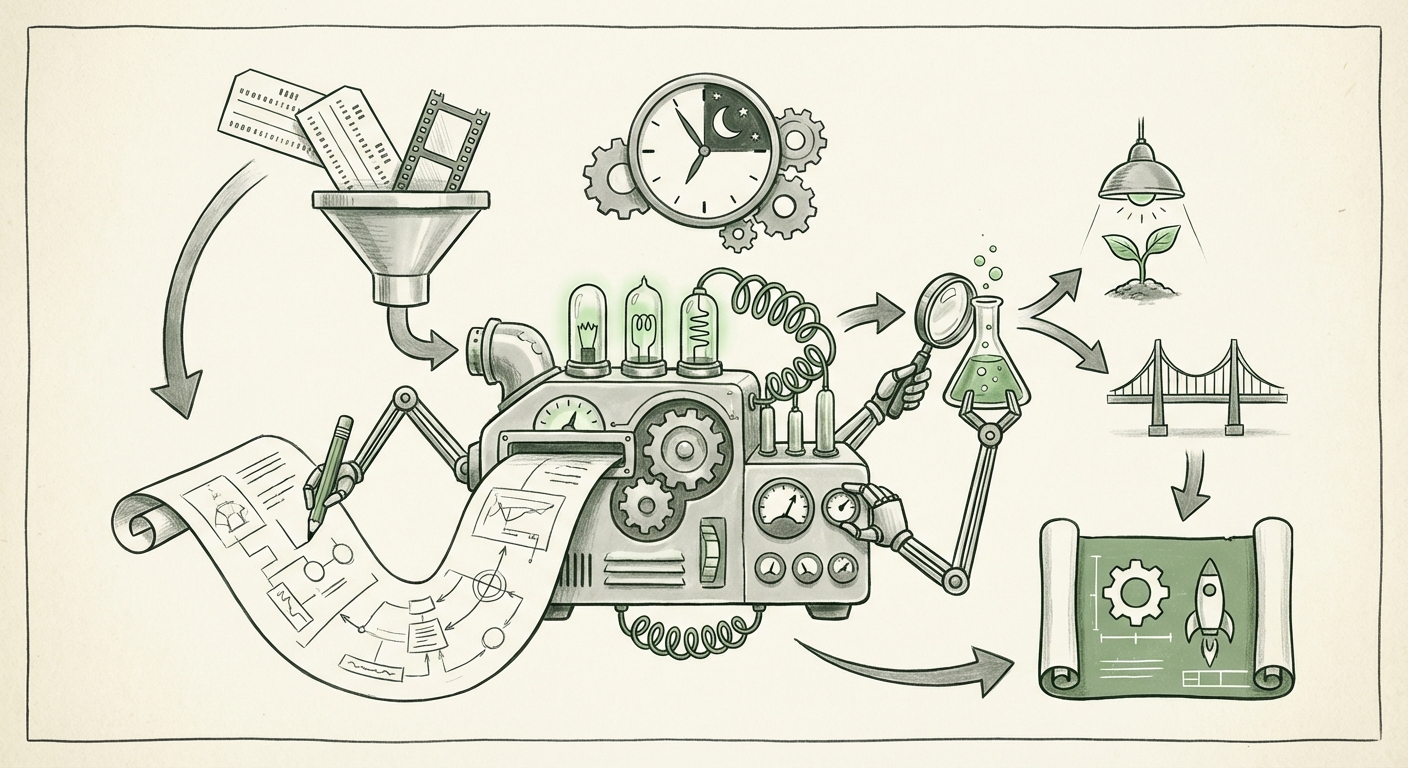
Put those three together and a widget stops being a display and starts being a tiny assistant with a permanent seat on your home screen.
The Directions This Push Is Taking
When you look at the ways people are trying to make widgets more useful, several clear patterns show up. Understanding them tells you where AI on phones is heading.
1. Glanceable answers instead of app launches
The best widget answers a question you were about to ask. Not "here is your banking app," but "you have $43 left in this week's budget." The AI work here is summarization, taking a mess of data and shrinking it to one useful line. That's a skill large language models are unusually good at, and it fits in a square.
2. Widgets that act, not just display
Reading is passive. Doing is powerful. A widget that lets you approve, reply, snooze, reorder, or confirm in one tap removes an entire app-opening ritual from your day. For AI, this is where tool use, the ability to actually complete a task rather than describe it, becomes visible to normal people.
3. Context-aware personalization
Your home screen at 7 a.m. and your home screen at 10 p.m. should not look the same. Context-aware widgets adapt: commute info in the morning, focus tools during work hours, wind-down content at night. This is quietly one of the hardest AI problems because it requires knowing when not to interrupt.
4. Widgets that work as a team
The most interesting ideas involve widgets sharing context. A calendar widget, a weather widget, and a transit widget that know about each other can tell you something none of them could alone. Cross-app intelligence has always been the dream of the smartphone. Widgets may be the first place it actually works, because they already live side by side on a single screen.
5. Automation that writes itself
Building an automation used to mean dragging blocks around in a complicated editor. With AI, you describe what you want in plain language and the system builds it. Widgets become the button that runs it and the panel that shows you whether it worked. That removes the biggest barrier to automation: the setup.
6. Widgets built for you, on the spot
If AI can generate the logic behind a widget, it can generate the widget. A custom tile for a hobby, a trip, a project, a health goal, created in seconds from a sentence. This is where widgets stop being a product feature and become a personal tool.
What This Means for the Future of AI
The next AI battleground is the surface, not the model. Everyone can build a capable model now. Far fewer can put it somewhere people actually look. Widgets, notification areas, lock screens, and assistant bars are the new front doors. Whoever owns the surface controls how AI gets used.
Agents need somewhere to live. The industry keeps talking about AI agents that do things for you. An agent with no visible home is invisible. A widget is a perfect agent home: it shows what the agent knows, what it just did, and what it needs from you, in a space small enough that it can't ramble.
Small and fast beats big and slow. A widget that takes four seconds to load is useless. This pressure pushes AI toward smaller, faster, on-device processing, a healthy counterweight to the "bigger model is always better" mindset.
Trust is built in inches. A widget that gets something wrong once gets deleted. That means widget AI has to be careful, conservative, and honest about uncertainty. It's a training ground for the reliability problems the whole industry still has to solve.
What It Means for Businesses
If you run a product team, the widget layer deserves serious attention for four reasons.
- Retention lives there. A user who keeps your widget on their home screen sees your brand dozens of times a day. That's worth more than any push notification you're allowed to send.
- Real estate is scarce. There are only so many slots on a home screen. Being one of the two or three widgets someone keeps is the new fight for attention, and it will be won on usefulness, not branding.
- APIs become products. For an AI to summarize your data well, it needs clean, permissioned access. Companies that expose good, well-described interfaces will find themselves appearing inside other companies' widgets.
- Support costs drop. Many support requests are just "where do I find X?" A good widget answers that before the user asks.
What It Means for Society
There's a real upside here. For people with limited vision, mobility, or tech confidence, a home screen that shows the right thing at the right time is a genuine accessibility win. Fewer taps, less hunting, less memorizing menus.
But there's a risk too. The more your home screen knows, the more it decides. Personalization can quietly become a filter. If your phone only ever surfaces what it thinks you want, you slowly lose the accidental discoveries that make life interesting.
There's also an attention question. Widgets that update constantly can turn a calm surface into another thing to check. The best design here respects silence. A widget that knows when to say nothing is more valuable than one that always has something to say.
Actionable Insights
- For developers: Design for the glance, not the session. If your widget can't deliver value in three seconds, rethink it.
- For product leaders: Treat widgets as a first-class surface, not a checkbox. Assign real design and AI resources to them.
- For businesses: Audit your data and APIs now. The companies with clean, permissioned, well-documented data will be the ones AI can actually build on.
- For users: Curate your home screen like you'd curate your desk. Keep two or three widgets that genuinely save you time. Delete the rest.
- For everyone: Expect the line between "app" and "assistant" to blur. The apps that survive will be the ones that make themselves useful without being opened.
The Bigger Picture
The quiet revolution in widgets is a preview of something much larger. For years, AI has been something you go to. The next phase is AI that comes to you, at the right moment, in the right amount, without being asked. That's harder than building a smarter model. It requires taste, restraint, and a deep understanding of human attention.
Widgets are where that lesson gets learned, one small square at a time. And the phones that win the next decade won't be the ones with the most powerful models inside. They'll be the ones whose home screens you can't imagine living without.