AI Trade Reversal: What Asia’s Picks-and-Shovels Stock Slump Means for the Future of AI
The AI boom has been built on hardware. For years, the easiest way to bet on artificial intelligence was to buy the companies that make the chips, components, and machines that power it. These are the “picks and shovels” of the AI gold rush. Many of them are in Asia. But now, a sharp reversal in the AI trade is piercing Asia’s star picks-and-shovels stocks. Investors are pulling back. The question is: does this mean AI is slowing down, or is something more important happening?
The answer is not simple. The reversal does not signal the end of AI. It signals a change in how the market sees AI. The easy money phase of the infrastructure buildout may be over. The next phase will be about using AI well, not just building more of it. That shift has big implications for businesses, workers, and the future of the technology itself.
What the Reversal Actually Shows
When people talk about the AI trade, they usually mean the rush to buy stocks tied to AI. The biggest winners have been the suppliers. These are the companies that make the semiconductors, memory chips, circuit boards, cooling systems, and manufacturing equipment that AI data centers need. Many of these suppliers are based in Asia, which has long been the world’s factory for electronics.
The reversal means investors are now selling these stocks or at least slowing their buying. After a huge run-up, the market is reassessing how fast AI spending will grow. There are several reasons for this. Demand for AI hardware is not a straight line. Companies that buy AI servers may pause to see if their investments pay off. Inventories may build up. Competition may increase. And valuations may have simply gotten too high too fast.
None of this means AI is a fad. It means the market is maturing. The first phase of any new technology is often a scramble for infrastructure. That phase creates winners fast. But it also creates hype. The reversal is a sign that investors are starting to ask harder questions about returns.
Why Asia’s Suppliers Are the First to Feel It
Asia is the backbone of the global AI supply chain. Chip foundries, memory makers, component suppliers, and contract manufacturers are concentrated there. These companies are upstream. They feel changes in demand before anyone else. When AI spending is booming, their orders surge. When there is even a hint of a slowdown, their stocks react quickly.
That is why the reversal is piercing Asia’s star picks-and-shovels stocks first. These companies were stars because they enabled the AI boom. They provided the tools that made AI possible. But being upstream also makes them vulnerable. They are tied to capital spending by a relatively small number of large tech buyers. If those buyers slow down, the ripple effects are immediate.
The reversal is also a wake-up call. It shows that the AI trade is not a one-way street. Investors are looking for the next layer of value. That layer may not be in hardware. It may be in software, services, and applications.
The Bigger Picture: From Infrastructure Boom to Application Era
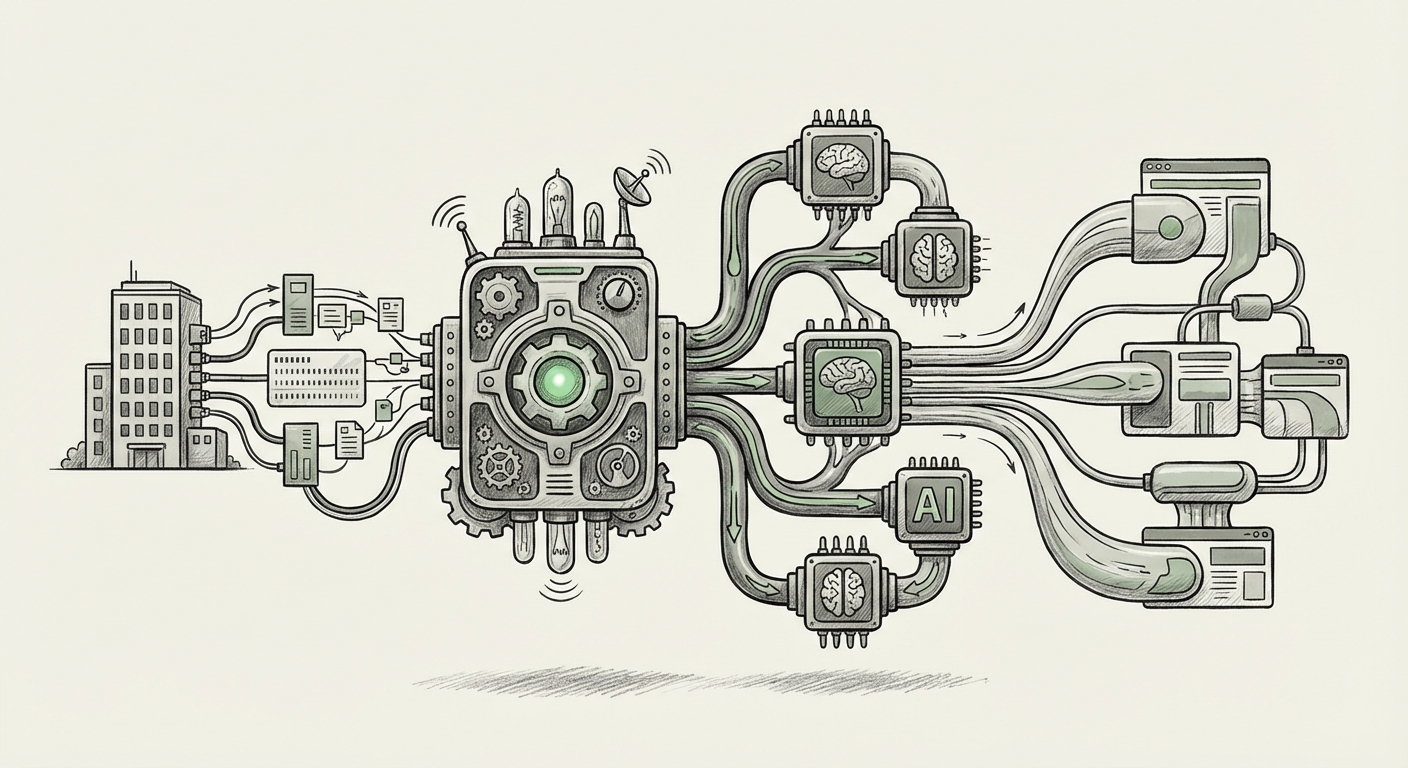
The AI industry is moving from an infrastructure boom to an application era. In the infrastructure phase, the goal was to build as much computing power as possible. That meant buying chips, servers, and data center equipment. The picks-and-shovels stocks were the biggest beneficiaries.
In the application era, the goal is to use that computing power to solve real problems. That means software that helps doctors diagnose diseases, tools that help factories run better, and assistants that help office workers save time. The value shifts from the hardware to the solutions. The companies that can use AI to cut costs or create new products will be the next winners.
This shift does not mean hardware is unimportant. AI still needs chips and data centers. But the pace of growth may slow from explosive to steady. The market will become more selective. Suppliers that can offer efficiency, customization, and software support will do better than those that just sell generic parts.
What This Means for the Future of AI
The reversal tells us several things about the future of AI. First, AI is not going away. It is becoming more practical. The hype phase is giving way to a phase of real deployment. Second, the economics of AI are changing. Training huge models is expensive. The next wave will focus on inference, running AI in everyday applications. That requires different hardware and different business models.
Third, AI will become more distributed. Instead of running only in massive data centers, AI will run on phones, laptops, sensors, and factory floors. This is often called edge AI. It reduces costs and improves speed. It also opens up new uses that do not depend on the cloud.
Fourth, the market will demand returns. Businesses will not buy AI just because it is new. They will buy it because it saves money, increases sales, or reduces risk. That is healthy. It forces the industry to focus on real value.
Finally, the reversal is a reminder that AI is part of the broader economy. It is subject to cycles, competition, and changing investor sentiment. That is normal for any transformative technology.
How AI Will Be Used: Five Practical Shifts
The future of AI will be shaped by how it is used. Here are five shifts to watch.
- From training to inference. The first wave focused on building and training large models. The next wave will focus on running those models efficiently in real applications. Inference is where most business value will be created.
- From cloud to edge. AI will move closer to users. It will run on devices and local servers. This reduces latency and cost. It also improves privacy.
- From general models to specialized tools. Instead of one model that does everything, businesses will use smaller, focused AI tools for specific tasks. These tools are cheaper and easier to control.
- From hype to ROI. Companies will demand measurable results. AI projects will be judged on cost savings, revenue growth, and customer satisfaction.
- From few builders to many integrators. The next wave will need people who can integrate AI into existing systems. Services and consulting will grow.
Practical Implications for Businesses
For businesses, the reversal is a signal to be smart about AI spending. Do not build huge infrastructure just because competitors are. Start with use cases that have clear returns. Focus on data quality. AI is only as good as the data it learns from. Invest in integration, because AI rarely works alone. It needs to connect to existing systems and workflows.
For suppliers, the message is to diversify. Do not depend only on the AI hype. Invest in efficiency, custom chips, and software. The companies that can help customers do more with less will win. The easy growth is over. The hard work of differentiation has begun.
For investors, the reversal is a reminder to look beyond the obvious. The picks-and-shovels trade worked for a while. But the next opportunities may be in software, applications, and services. Watch the suppliers’ earnings as a leading indicator. When they slow, it may signal a broader shift.
For workers, the future is about skills. AI will change jobs, but it will also create new ones. The most valuable skills will be in deployment, data, integration, and problem-solving. Learning how to use AI tools will be as important as learning how to build them.
Actionable Insights
Here are practical steps you can take now.
- Audit your AI spending. Separate infrastructure costs from application costs. Make sure every dollar is tied to a clear outcome.
- Build modular AI stacks. Avoid lock-in. Use open standards where possible. This gives you flexibility as the market changes.
- Invest in data quality. Clean, well-organized data is the foundation of useful AI. Do not skip this step.
- Start small and scale. Pick one or two high-impact use cases. Prove the value. Then expand.
- Watch Asia’s supplier earnings. They are a leading indicator of AI demand. Pay attention to their guidance.
- Prepare for lower-cost AI. Edge AI and smaller models will make AI cheaper. Plan for a future where AI is everywhere, not just in the cloud.
Conclusion
The reversal in Asia’s picks-and-shovels stocks is not a reason to panic. It is a reason to pay attention. It shows that the AI trade is maturing. The easy phase of infrastructure growth is giving way to a more selective phase. The future of AI will not be built only by those who supply the hardware. It will be built by those who use the technology to solve real problems.
AI is still one of the most important technologies of our time. But its next chapter will look different. It will be more practical, more distributed, and more focused on returns. The companies and people who adapt to that shift will be the ones who thrive. The picks-and-shovels stocks will remain important, but their star may not shine as brightly. The next stars may be the problem-solvers.