Modernizing TorchVision: What It Means for the Future of AI and Computer Vision
In the fast-moving world of artificial intelligence, the tools we use to build and deploy models matter just as much as the models themselves. One of the most important tools for computer vision is TorchVision, a library that works with PyTorch to help developers handle images and videos. Recently, the team behind TorchVision has been working hard to modernize it. This might sound like a technical detail, but it has big implications for anyone who uses AI to understand images, from self-driving cars to medical scans to your phone’s camera.
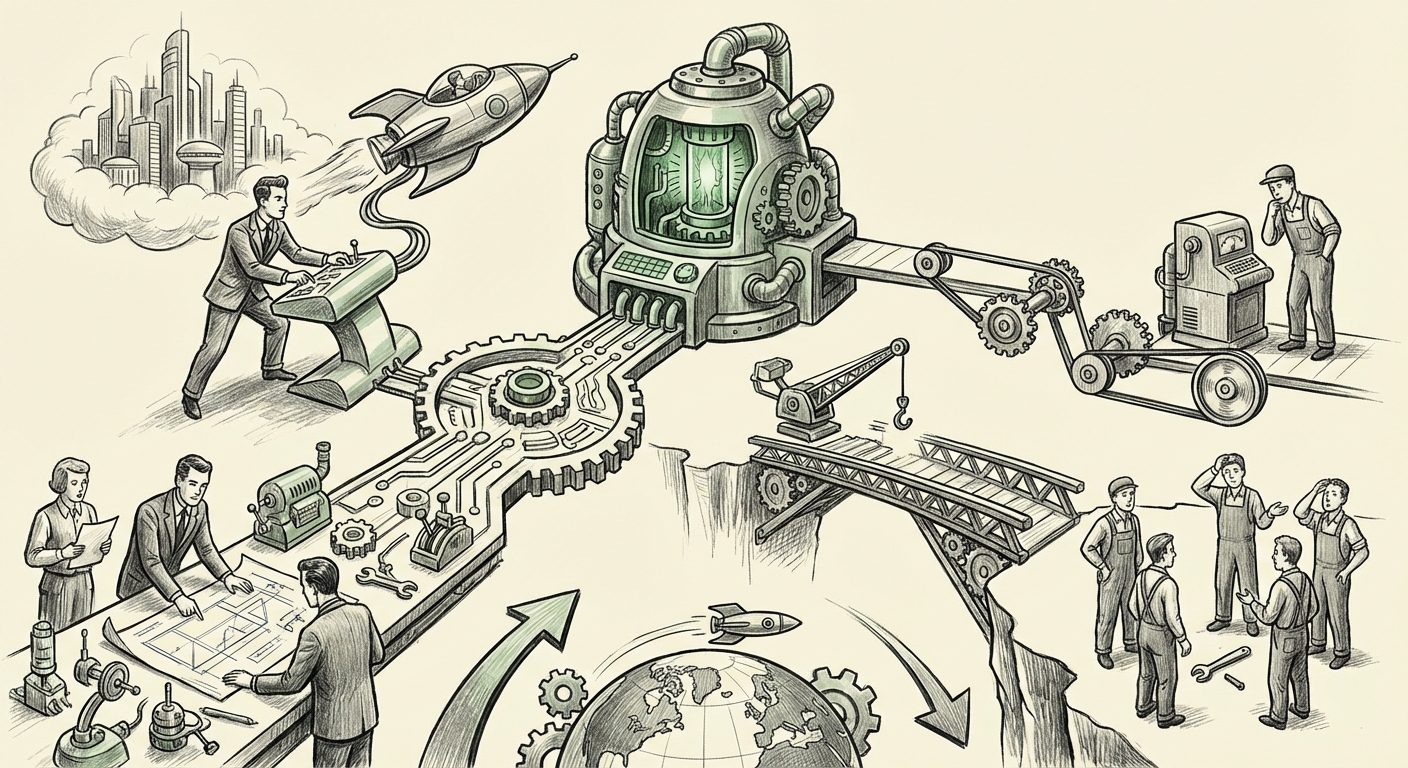
So why all the effort? TorchVision has been around for years, and like any piece of software that grows over time, it accumulates old code and design choices that can slow things down. Modernizing it means making it faster, more flexible, and easier to use. It’s like renovating a house while people are still living in it, tricky, but necessary to keep up with new demands.
The Challenge of Updating a Foundational Library
TorchVision is what developers call a “foundational” library. That means thousands of projects and companies rely on it every day. When you change something in a foundational library, you risk breaking those projects. So the modernization journey is not just about writing new code, it’s about doing so without causing chaos for the people who depend on the old code.
One major part of this journey was modularizing the library. In the past, TorchVision was a bit like a monolithic block, you had to take all of it or none of it. The team worked to break it into smaller, independent pieces. For example, data loading, model definitions, and image transformations were separated. This is important because it lets developers use only the parts they need. It also makes the library easier to maintain and upgrade. If you want to improve the data loading part, you don’t have to touch the model code. This kind of flexibility is a big trend across the AI world, where software is becoming more component-based and interchangeable.
Another challenge was performance. Computer vision models often deal with huge amounts of data, millions of images. Speeding up even a small part of the process can save hours of training time. The modernization effort included optimizations in how images are processed and how data is fed into models. For businesses, this translates to lower computing costs and faster experiments.
But perhaps the most interesting part of the journey is the community involvement. TorchVision is open source, meaning anyone can contribute. The modernization process required careful coordination with contributors and users. The team had to gather feedback, test changes thoroughly, and communicate clearly about what was changing and why. This is a lesson for any organization that relies on open-source AI tools: the health of the project depends on active, transparent collaboration.
Key Trends in AI Infrastructure
The modernization of TorchVision is a window into three big trends that are shaping the future of AI infrastructure.
1. Modularity and Interoperability
AI systems are becoming more complex, combining different models and data sources. No single library can do everything well. So the trend is to build modular components that can be mixed and matched. TorchVision’s move toward modular design mirrors what’s happening across the entire AI stack, from data processing to model serving. Companies like Hugging Face and others are building ecosystems of interchangeable parts. This means faster innovation because developers can swap in the best tool for each job.
2. Efficiency and Scalability
As AI models get bigger, the cost of training and running them becomes a major concern. Modernizing TorchVision included efforts to make data pipelines more efficient. This is part of a broader push to reduce the carbon footprint and financial cost of AI. Techniques like better caching, parallel processing, and optimized data formats are becoming standard. For businesses, this means AI becomes more accessible and sustainable.
3. Sustainable Open-Source Development
Open-source libraries like TorchVision are the backbone of modern AI. But maintaining them requires resources, time, money, and people. The modernization journey highlights the need for sustainable funding and governance models. Companies that benefit from these tools are increasingly giving back, either by contributing code or sponsoring maintainers. This trend is crucial because it ensures that the foundational tools we all rely on continue to improve.
What This Means for the Future of AI
When foundational libraries like TorchVision get modernized, the effects ripple through the entire AI ecosystem. Here’s what the future might look like.
Faster innovation: When tools are easier to use and more efficient, researchers and engineers can spend more time on new ideas and less time fighting with infrastructure. This accelerates progress in fields like healthcare, where computer vision is used to detect diseases, and autonomous driving, where quick image processing is safety-critical.
Better collaboration: Modular, well-maintained libraries make it easier for teams to work together. A data scientist can focus on model architecture while an engineer handles data loading, all without stepping on each other’s toes. This is especially important as AI projects become larger and involve more specialized roles.
Democratization of AI: When tools are efficient and easy to use, they lower the barrier to entry. Startups and individual developers can build powerful computer vision applications without huge budgets. This leads to more diverse applications and a broader set of people contributing to the field.
Long-term stability: Modernization isn’t just about speed, it’s also about making the codebase cleaner and more maintainable. This means the library can evolve gracefully over time, reducing the risk of technical debt that slows down future progress. For companies building on top of TorchVision, this provides confidence that their investments are safe.
Practical Implications for Businesses and Society
If you’re a business leader, you might wonder why a library update matters. Here’s the practical side.
Cost savings: More efficient data processing means you can train models on less expensive hardware or in less time. For a company that spends millions on cloud computing for AI, even a 10% improvement can be significant.
Faster time-to-market: When tools are modular and easy to use, your team can prototype and deploy computer vision solutions more quickly. This is a competitive advantage in industries like retail (inventory management), manufacturing (quality control), and agriculture (crop monitoring).
Attracting talent: Developers prefer to work with modern, well-maintained tools. If your company uses outdated libraries, it can be harder to hire top AI talent. Staying current with projects like TorchVision signals that you’re serious about technology.
Societal impact: Better computer vision tools lead to better applications. For example, more accurate medical imaging can lead to earlier diagnoses. More efficient surveillance systems can improve public safety (though they also raise privacy concerns). The modernization of foundational tools indirectly shapes the products and services that affect our daily lives.
Actionable Insights
So what should you do with this information? Here are some concrete steps.
- Stay updated: If you use TorchVision or similar libraries, regularly check for new releases and understand what changes are coming. Read the release notes and migration guides.
- Contribute back: If your company relies on open-source AI tools, consider contributing code, reporting bugs, or sponsoring maintainers. This helps ensure the tools you depend on stay healthy.
- Embrace modularity: When building your own AI systems, design them in a modular way. Avoid tight coupling between components. This makes it easier to adopt new tools as they emerge.
- Invest in efficiency: Look for opportunities to optimize your data pipelines. Small improvements in data loading and preprocessing can have a big impact on overall training time and cost.
- Think long-term: Choose libraries and tools that have active communities and a clear roadmap. A modernized library is a sign of a healthy project.
Conclusion
The modernization of TorchVision is more than a technical footnote. It’s a case study in how the AI world keeps its foundations strong. By making the library more modular, efficient, and community-driven, the team behind it is helping to ensure that computer vision continues to advance rapidly. For businesses, this means better tools, lower costs, and faster innovation. For society, it means more capable and accessible AI applications. As AI continues to evolve, the health of these foundational libraries will remain a critical, and often invisible, driver of progress.