UK's Apple Pay Crackdown: Who Benefits and Why AI Is the Real Winner
In the UK, a crackdown on Apple Pay is making headlines. Regulators are taking a closer look at how mobile payments work, and who gets to play. The big question on everyone's mind: who benefits from this move? The answer might surprise you. It's not just banks or rival payment apps. The biggest winner could be artificial intelligence (AI). Here's why.
What's Behind the UK's Apple Pay Crackdown?
The UK has launched a regulatory crackdown on Apple Pay. While the exact details are still unfolding, the move signals a desire to shake up the mobile payments market. Apple Pay is incredibly popular. You tap your iPhone, and the payment is done. It's fast, secure, and convenient. But its success has raised concerns about competition. When one company controls a key part of the payment process, others may struggle to compete.
The crackdown aims to open things up. Think of it like a traffic jam. Apple Pay has its own fast lane, and other payment providers are stuck behind. Regulators want to make sure everyone has a fair shot. That could mean forcing Apple to share access to the technology inside iPhones that makes tap-to-pay work. Or it could involve new rules about fees and data. Whatever the specifics, the goal is clear: more competition, more choice, and lower prices.
This isn't just a UK story. Governments around the world are looking at big tech's role in payments. But the UK's move is a significant moment. It could set a precedent for how mobile payments are regulated everywhere. And that has huge implications for AI.
Why AI Cares About Payment Competition
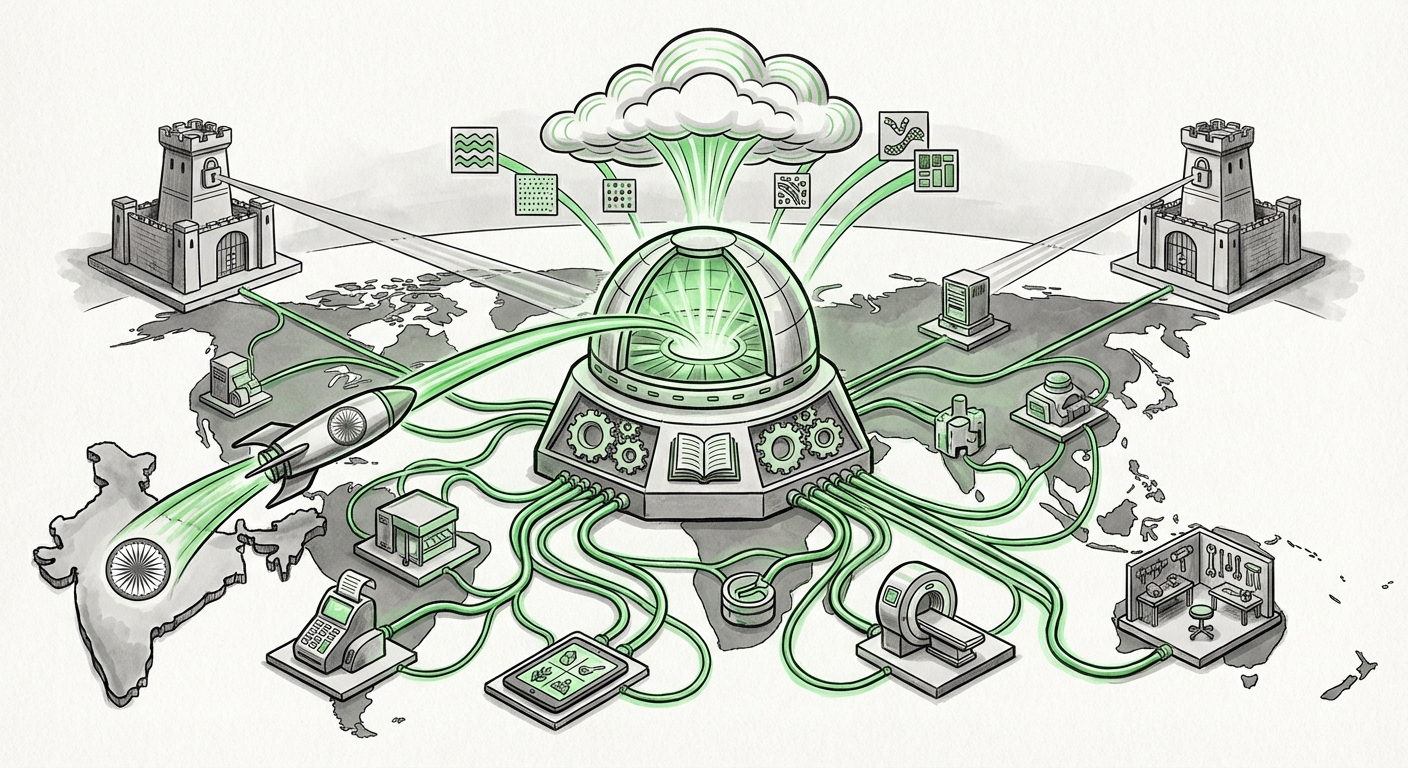
AI runs on data. The more data it has, the smarter it gets. Payment data is especially valuable. It tells you what people buy, when, and where. It reveals spending habits, travel patterns, and preferences. Right now, Apple Pay sits on a treasure trove of this data. It sees every transaction made through its system. But Apple is famously private. It doesn't share that data freely.
A crackdown could change that. If regulators force Apple to open up its payment system, more data could flow to more players. That includes banks, merchants, and AI startups. With better data access, AI can do more. It can spot fraud faster. It can offer personalized deals in real time. It can even predict what you'll buy next.
In a closed system, AI innovation is limited to the few companies that control the pipes. In an open system, anyone with a good idea can build AI tools that use payment data. That's a big shift for smaller fintech firms and AI developers. They no longer need permission from Apple to innovate. They just need access to the data.
Who Really Benefits from the Crackdown?
Let's break down the winners.
Consumers
More competition usually means better deals. If Apple Pay faces rivals, it might lower fees or add features. Consumers could see more rewards, cashback, and personalized offers. AI-powered apps could analyze your spending and suggest ways to save money. They could also make payments safer by detecting fraud in real time. The crackdown could lead to a more vibrant payment ecosystem, with AI making it smarter and more secure.
Merchants
Merchants pay fees to accept Apple Pay. Those fees eat into profits. If the crackdown lowers fees or gives merchants more choices, they keep more money. But the bigger win is data. With open access, merchants could see more about their customers' payment behavior. They could use AI to build loyalty programs that really work. Imagine a coffee shop that knows your favorite drink and sends you a discount right when you're nearby. That's AI powered by payment data.
Banks and Fintechs
Banks have long worried about Apple Pay taking over the customer relationship. When you pay with Apple Pay, Apple is the face of the transaction. Banks are pushed to the background. A crackdown could reverse that. Banks might get direct access to the iPhone's tap-to-pay chip. That would let them offer their own payment apps with the same convenience. Fintech startups could also build AI-driven payment solutions that compete with Apple Pay. They could focus on niches, like payments for gamers or travelers, using AI to tailor the experience.
AI Startups and Vendors
This is the big one. AI thrives on data and competition. A closed payment system limits both. An open one opens the floodgates. AI startups could sell fraud detection tools to merchants, personalization engines to banks, and customer insights to anyone who accepts payments. The market for AI in payments is already growing. A crackdown could accelerate it dramatically. Investors are taking note. Money is flowing into AI firms that focus on financial services. The UK's move could be a catalyst for a new wave of AI innovation in payments.
Apple
Apple might lose some control. That's never good for a company used to calling the shots. But it's not all bad news. Apple could still make money from Apple Pay through other means. It might license its technology or find new ways to add value. And if the overall payment market grows, Apple could still capture a slice. Plus, Apple has its own AI efforts. A more open ecosystem could give Apple's AI more data to work with. So even Apple might benefit in the long run.
What This Means for Businesses: Actionable Insights
If you run a business, you need to pay attention. The UK's Apple Pay crackdown is a sign of things to come. Here's what you can do now.
- Prepare for open payments. Get ready for a world where payment data flows more freely. Update your systems to handle multiple payment providers. Don't rely on a single platform.
- Invest in AI for fraud detection. As payments open up, fraud risk may rise. AI can monitor transactions in real time and spot suspicious patterns. It's your best defense.
- Use AI to personalize offers. With better data access, you can understand customers like never before. Use AI to send targeted discounts, loyalty rewards, and product recommendations based on their payment history.
- Rethink loyalty programs. Move beyond points and stamps. Build AI-powered programs that adapt to each customer. Reward them for things they actually care about.
- Watch for new partners. Fintechs and AI startups will be hungry for business. They can help you build smarter payment experiences. Keep an eye out for partnerships.
These steps aren't just about keeping up. They're about getting ahead. The businesses that embrace AI and open payments will win. Those that cling to the old ways may get left behind.
The Future of AI in Payments
Imagine a world where your AI assistant pays your bills, buys your groceries, and negotiates better prices for you. That's not science fiction. It's the future of agentic commerce. AI agents will act on your behalf, making payments automatically. They'll use data to find the best deals and ensure your money is safe.
For that to happen, AI needs access to payment systems. It needs to see what's happening, learn from it, and take action. The UK's crackdown could help make that possible. By opening up Apple Pay's ecosystem, regulators are laying the groundwork for a more AI-driven payment landscape.
This won't happen overnight. There will be challenges. Security is a big one. Open systems can be more vulnerable to hackers. But AI can also be part of the solution, with advanced fraud detection and real-time monitoring. Privacy is another concern. People want to know who sees their data and how it's used. Regulators will need to balance innovation with protection.
But the direction is clear. Payments are becoming more open, more data-driven, and more intelligent. AI is at the center of that shift. The UK's Apple Pay crackdown is just one step on that journey. But it's an important one. It shows that governments are willing to challenge the status quo. And that creates opportunities for AI to shine.
Conclusion: The Real Winner Is Innovation
The UK's Apple Pay crackdown is more than a regulatory fight. It's a signal that the payment industry is changing. The old model, where a few big companies control the rails, is being challenged. In its place, a new model is emerging. One where competition thrives, data flows, and AI powers smarter, safer, and more personalized payments.
Who benefits? Consumers, merchants, banks, fintechs, and AI startups all stand to gain. Even Apple might find new opportunities. But the biggest winner is innovation. When more players can compete, they build better products. When more data is available, AI gets smarter. And when AI gets smarter, everyone benefits from faster, safer, and more convenient payments.
The crackdown is a wake-up call for businesses. The future is open, data-driven, and AI-powered. Those who adapt will thrive. Those who don't may find themselves on the sidelines. The choice is yours.