AutoTerm-SST: The Zero-Setup Breakthrough That Makes Real-Time Translation Finally Feel Natural
Imagine joining a global team meeting where everyone speaks their own language. You put on your headset, start talking, and the translation just works. No one has to upload a glossary. No one has to pick a domain. No one has to spend ten minutes setting up special terms before the call. That is the promise of a new system called AutoTerm-SST, introduced on October 21, 2026. It pairs adaptive terminology memory with streaming speech translation. The big idea: the translation system remembers the right words without any session-time setup.
This might sound like a small technical tweak. It is not. For years, real-time speech translation has been held back by a simple problem: specialized terms. A doctor says "myocardial infarction." A lawyer says "force majeure." A engineer says "API gateway." General translation tools often stumble on these phrases. The usual fix is to give the system a glossary before the conversation starts. That means extra work, extra friction, and often extra mistakes when someone forgets. AutoTerm-SST aims to remove that step entirely.
What Is Streaming Speech Translation?
Streaming speech translation, or SST, is the tech that turns spoken words into another language as the speaker talks. Think of it like live subtitles, but in a different language. It is different from translating a recorded audio file. With streaming, the system must listen, understand, and translate in near real time. Latency matters. A long pause ruins the flow of a conversation.
The hard part is not just speed. It is accuracy with context. Words like "bank" can mean a financial institution or the side of a river. Terms like "cloud" can mean weather or computing. A good SST system uses context to pick the right meaning. But specialized terminology adds another layer. If a company uses internal product names or acronyms, a general system will guess wrong. That is why many current tools ask for a glossary before the session. It is a workaround, not a real solution.
The Zero-Setup Shift: From Glossaries to Memory
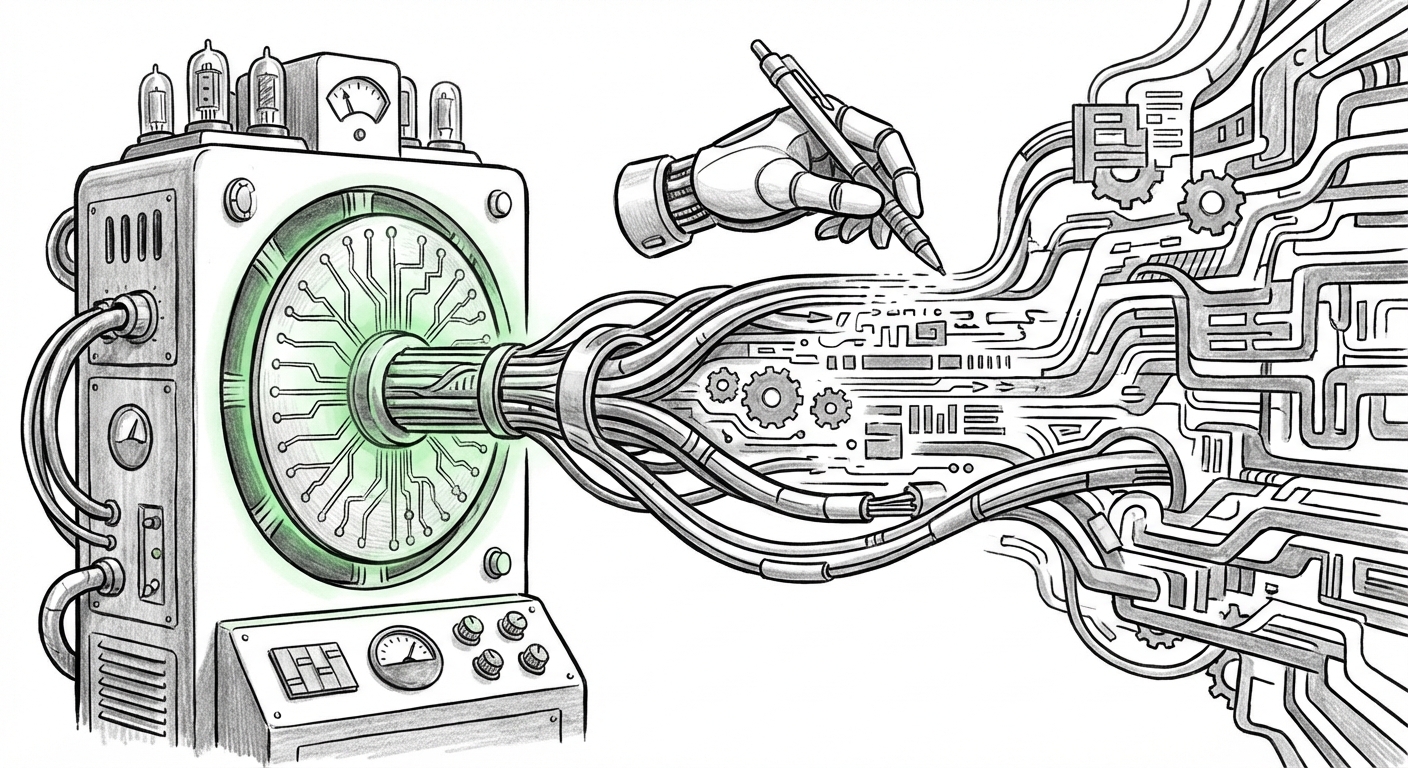
AutoTerm-SST changes the game by adding adaptive terminology memory. The phrase sounds complex, but the concept is simple. The system keeps a memory of terms it has seen and how they should be translated. That memory adapts over time. It learns from context. And it does all of this without requiring you to configure anything before a session starts.
In practical terms, zero session-time setup means you do not need to upload a list of terms, choose a domain, or train the system on your company's vocabulary before every call. The system arrives ready. It may already have a memory of relevant terms from past interactions. Or it may learn on the fly as the conversation unfolds. Either way, the user does not have to do prep work. That is a major shift from the current "bring your own glossary" model.
Why Setup Has Been a Hidden Tax
Setup sounds minor until you multiply it. A global sales team might have dozens of calls a day. Each call needs the right terms: product names, pricing language, legal disclaimers. If every call requires a five-minute setup, that is hours of lost time every week. Worse, people skip the setup when they are in a hurry. Then the translation quality drops. AutoTerm-SST removes that tax. It makes good translation the default, not an extra step.
How Adaptive Terminology Memory Likely Works
Based on the name and the problem it solves, we can make some educated guesses about the approach. Adaptive terminology memory probably works like a smart, growing dictionary. It stores term pairs and the context where they appeared. When a new term comes up, the system can look for similar patterns in its memory. It can also update its memory after the conversation, so it gets better over time.
This is different from a static glossary. A glossary is a fixed list. It does not learn. It does not adapt. If a new product launches, someone must update the glossary manually. Adaptive memory can pick up new terms from use. That makes it more like a human interpreter who remembers how a company talks and gets better with each assignment.
Streaming adds another challenge. The system cannot wait until the end of a sentence to make a decision. It must translate in chunks. That means terminology memory has to be fast. It also has to be careful. A wrong term can confuse listeners. So the system likely uses context signals to decide when to trust its memory and when to fall back to a general translation. The exact details are technical, but the goal is clear: better terms without setup.
What This Means for Businesses
The business implications are large. First, global meetings become easier. Teams can speak naturally without worrying about whether the translation tool knows their jargon. This lowers the barrier to hiring across borders. It also makes existing teams more effective. A marketing team in Tokyo can brainstorm with a product team in Berlin without a translator in the middle.
Second, customer support gets faster and more accurate. Support calls often involve product names, error codes, and technical terms. A zero-setup system can handle these without a script. That means shorter calls, fewer misunderstandings, and happier customers. It also means support agents can help people in more languages without extra training.
Third, sales and legal conversations improve. Sales decks are full of brand terms. Contracts are full of legal phrases. A system that remembers these terms can translate them consistently. Consistency builds trust. If a product is called "SmartFlow" in English, it should be "SmartFlow" in every language, not a random translation. Adaptive memory helps enforce that without manual work.
Actionable Insight for Business Leaders
Do not wait for perfect accuracy before you pilot. Start with low-risk, high-value use cases. Internal team meetings are a good first step. Then move to customer-facing calls with human oversight. Track how often the system gets key terms right. Set a clear policy for what data the memory can store. And train your team to verify critical terms, especially in legal or medical settings. The goal is not to replace human judgment. It is to remove the boring setup work so people can focus on the conversation.
What This Means for Society
Beyond business, zero-setup translation could make the world a little more connected. Language barriers are a real problem in healthcare, education, and public services. A patient who speaks a different language should not have to wait for a human interpreter to explain a medical term. A student should not be shut out of a class because the materials are in another language.
AutoTerm-SST points to a future where translation is invisible. You speak. Someone else hears you in their language. The system handles the specialized words without anyone pressing a button. That could help immigrants access services, help travelers feel safer, and help small businesses sell globally. It could also help preserve minority languages by making it easier to translate content into and out of those languages.
But there are risks. A system that remembers terminology is also a system that stores data. Who owns that memory? How long is it kept? Could it leak sensitive terms from one company to another? These are not small questions. Adaptive memory must be designed with privacy in mind. Users need control over what is remembered and what is forgotten. Without that, the convenience of zero setup could come at a cost.
Challenges and What to Watch
No system is perfect. AutoTerm-SST faces several hurdles. Accuracy is the first. Memory can be wrong. If the system remembers a term incorrectly, it might keep making the same mistake. It needs a way to correct itself, either from user feedback or from context. Ambiguity is the second. Some terms have different meanings in different fields. The system must use context to pick the right one. Privacy is the third. Terminology memory could contain confidential product names or client details. Strong data protection is essential.
There is also the question of trust. People are more likely to use a translation tool if they understand how it works. A zero-setup system might feel like a black box. Users may wonder: why did it translate that term that way? The best systems will offer transparency. They will show which terms came from memory and which came from general translation. That helps users catch errors before they cause problems.
Actionable Insight for Developers and Product Teams
Build user controls from day one. Let people see and edit the terminology memory. Let them clear it when needed. Make it easy to correct a term and have that correction stick. Also, design for uncertainty. When the system is not sure about a term, it should flag it rather than guess silently. That small feature can prevent big misunderstandings.
The Bigger Trend: Invisible, Adaptive AI
AutoTerm-SST is part of a larger shift in AI. The first wave of AI tools asked users to do a lot of work: write prompts, upload data, configure settings. The next wave is about AI that adapts to you. It learns from context. It remembers what matters. It reduces the setup to zero. This is how AI becomes truly useful for everyday people. You should not need a manual to have a conversation.
We are seeing this trend in many areas. Chatbots are getting better at remembering past conversations. Writing assistants are learning your style. Translation is learning your terminology. The common thread is memory plus adaptation. Systems that can remember context and adjust on the fly will win. Systems that force users to configure everything will feel old.
For streaming speech translation, zero setup is a tipping point. It turns translation from a tool you have to prepare into a utility you can just use. That shift could accelerate adoption in schools, hospitals, call centers, and international teams. It could also change expectations. Once people experience translation that just works, they will not want to go back to glossaries and setup screens.
Conclusion: A Small Name, a Big Change
AutoTerm-SST may sound like a narrow research project. But the problem it solves is broad. Setup is friction. Friction keeps people from using tools. By removing session-time setup and adding adaptive terminology memory, this system points to a future where real-time translation is as easy as turning on a light. The technology is not magic. It will have errors, limits, and privacy questions. But the direction is clear. The best AI is the AI you do not have to configure. It remembers, it adapts, and it gets out of the way.
For businesses, the message is simple: watch this space. Pilot zero-setup translation in your meetings and support lines. Measure the time you save. For society, the message is hopeful but careful: language barriers are falling, but we must build memory systems that respect privacy and human oversight. The future of AI is not just smarter. It is more natural. And AutoTerm-SST is a step toward that future.