Fix Any Word in TTS on Eleven v4: The Pronunciation Dictionary Guide That Makes AI Voice Sound Human
Text-to-speech has reached a turning point. Modern AI voices can sound warm, natural, and almost indistinguishable from a real person. They can pause, stress, and emote. But there is still one small problem that can ruin the whole experience: a single mispronounced word. A customer’s name said wrong. A brand name that sounds foreign. A medical term that lands with the wrong syllable. These mistakes are small on paper, but they are huge for trust.
That is why the pronunciation dictionary matters so much on Eleven v4. It is a simple idea with big consequences. You tell the voice how a word should sound, and the voice follows your rule. This guide explains what that means for teams building with AI voice, why pronunciation is the next quality battleground, and how the future of text-to-speech will be shaped by control, not just model size.
The Last-Mile Problem in AI Voice
Most text-to-speech systems today handle common words well. They have learned from huge amounts of audio and text. They can read a paragraph and make it sound smooth. But language is full of traps. Homographs are words spelled the same but pronounced differently. “Lead” can rhyme with “seed” or “bed.” “Wind” can be moving air or a twisting motion. “Tear” can be a drop from your eye or a rip in paper. A general model has to guess from context. Sometimes it guesses wrong.
Proper nouns are even harder. Names of people, places, products, and companies often do not follow normal spelling rules. A name like “Siobhan” or “Nguyen” can break a model that has not seen it enough. Acronyms are another problem. Should “API” be said letter by letter, or as a word? Should “SQL” sound like “sequel” or “S-Q-L”? Industry jargon adds more risk. Legal, medical, scientific, and technical terms often have stress patterns that general models miss.
This is the last-mile problem. The voice sounds great for 95% of the script, but the 5% that is wrong is what people remember. A pronunciation dictionary is how you close that gap.
What a Pronunciation Dictionary Actually Does on Eleven v4
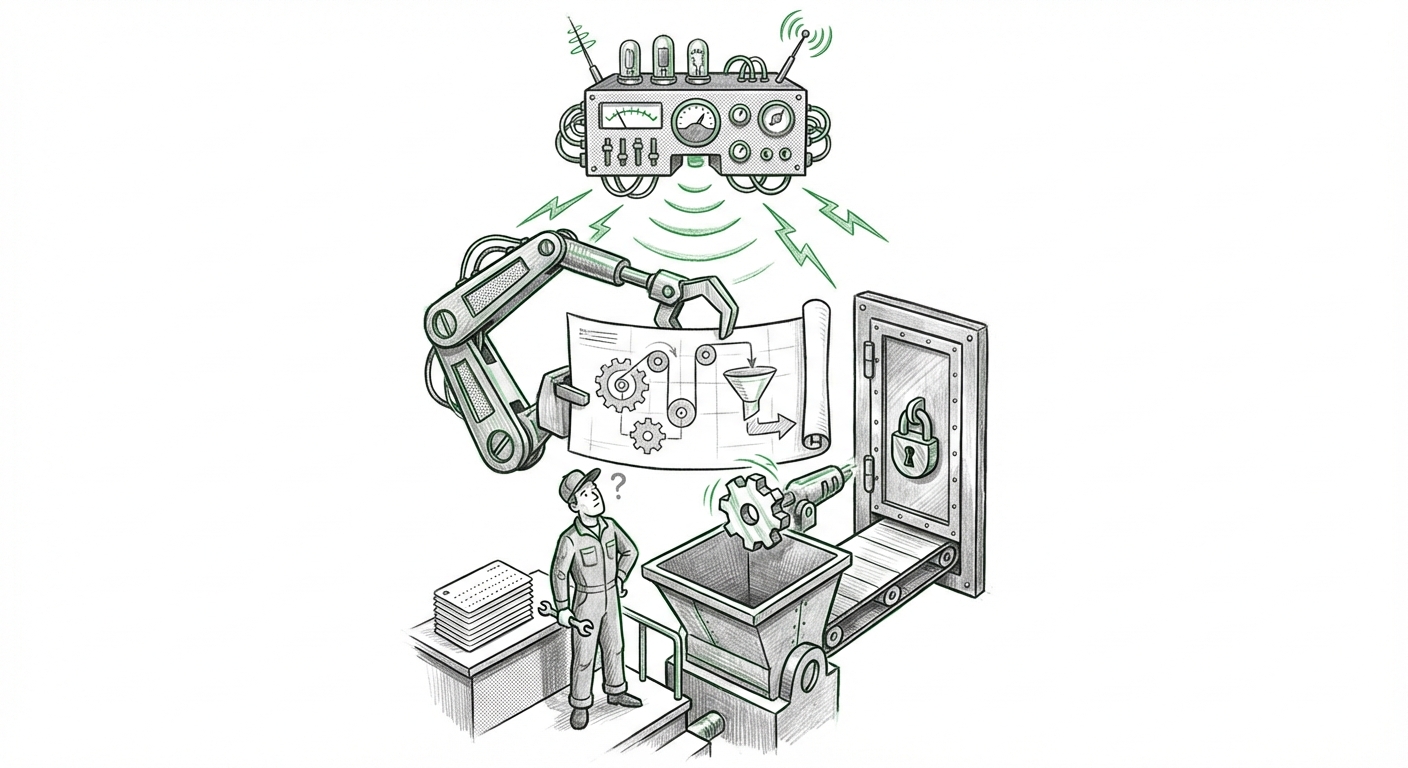
A pronunciation dictionary is a control layer. It sits between your text and the voice model. When the model sees a word, it checks the dictionary first. If there is a rule, the model uses that rule instead of its default guess. That rule can define the exact sounds, the stress, and sometimes the rhythm of the word.
There are two common ways to describe pronunciation. The first is phoneme notation, such as the International Phonetic Alphabet, or IPA. IPA is precise. It can describe sounds that do not exist in English. It is useful for names, foreign words, and technical terms where spelling is misleading. The second is respelling, which uses familiar letters to show sound. For example, you might write a word the way it sounds to a general reader. Respelling is faster to create and easier for non-linguists to review. The best teams often use both: IPA for high-stakes terms and respelling for quick fixes.
A good dictionary can also handle variants. It can cover the plural form, the possessive form, and different capitalization. It can set which syllable gets the stress. It can tell the voice to pause or link sounds in a certain way. On Eleven v4, this is how you fix any word in TTS without retraining the whole model.
How to Build a Pronunciation Dictionary That Scales
Fixing one word is easy. Fixing thousands of words across many voices, languages, and teams is harder. The teams that succeed treat pronunciation like product quality, not like a one-time patch. Here is a practical path.
1. Find the words that actually break
Start with real audio, not guesses. Listen to customer calls, product demos, e-learning modules, and support scripts. Ask frontline teams which words they hear said wrong. Review logs and quality checks. Build a list of the top 50 problem words first. This keeps the work focused and shows quick wins.
2. Choose one source of truth for each term
For each word, decide the correct pronunciation and write it down. Use IPA when precision matters. Use respelling when speed matters. Record the source: a native speaker, a brand guide, a medical dictionary, or a legal team. Without a source of truth, teams will create conflicting rules and the voice will sound inconsistent.
3. Cover the variants, not just the base word
A dictionary entry for “Nguyen” is not enough if your script also says “Nguyens” or “Nguyen’s.” Add plural, possessive, hyphenated, and capitalized forms. Check how the word appears in URLs, email addresses, product codes, and dates. Small variants cause big surprises.
4. Test in full sentences, not just isolated words
A word can sound right alone and wrong in a sentence. Stress can shift. Nearby sounds can change how a word is spoken. Test every rule inside real scripts. Use the same pace, emotion, and voice style you plan to ship. Listen with native speakers and domain experts. What looks correct on paper may sound unnatural in context.
5. Document, version, and review
Treat the dictionary like code. Keep it in version control. Note who changed what and why. Run regression tests when the voice model updates. A pronunciation that worked in one version may need review in the next. This is especially important for brands, where a single wrong sound can damage recognition.
6. Apply rules across voices and languages
If you use multiple voices, check each one. A rule that works for one voice may need adjustment for another. If you localize into other languages, build separate dictionaries for each language. Do not assume English phonemes will work for Spanish, Hindi, or Japanese. Native review is not optional.
Where Pronunciation Dictionaries Matter Most
The use cases are wider than many teams expect. Customer service is an obvious one. A voice assistant that says a caller’s name correctly feels personal and respectful. A voice that says it wrong feels careless. In media and entertainment, pronunciation errors can break immersion in audiobooks, podcasts, and games. In e-learning, a wrong stress on a medical or legal term can teach the wrong thing. In accessibility tools, clear pronunciation is part of equal access. In marketing, brand names and product names must sound the same everywhere. In IVR systems, a mispronounced menu option can cause callers to choose the wrong path.
There is also a less obvious benefit: speed. Teams often re-record human voice actors to fix a single word. That is slow and expensive. A pronunciation dictionary lets you fix the word in minutes and regenerate the audio. For global teams, this means faster localization and lower production costs. For regulated industries, it means you can correct a term without reopening a whole recording session.
What This Means for the Future of AI
The pronunciation dictionary is a small feature with a big signal. It shows that the future of AI voice is not just about bigger models. It is about control. The first wave of text-to-speech was about sounding human. The next wave is about sounding correct for a specific brand, audience, and context.
In the near future, we will see dictionaries become smarter. Models will learn from corrections and suggest pronunciations automatically. They will detect homographs from context with higher accuracy. They will offer shared pronunciation libraries for industries, brands, and languages. Teams will be able to set a brand voice guide that includes not just tone and pace, but also a list of approved sounds. Pronunciation will become part of the brand system, like color and typography.
We will also see pronunciation data become a competitive asset. A company that has built a rich, reviewed dictionary for its products, people, and jargon can launch voice experiences faster and with fewer errors. That data is hard to copy. It captures local knowledge, customer language, and expert review. In a world where many teams use the same base models, the dictionary is a way to stand out.
There are risks, too. As voice cloning and personalized voices grow, pronunciation control becomes an ethical issue. A cloned voice should not be used to say things the person never said. A pronunciation dictionary can help keep brand voices consistent, but it also needs governance. Teams will need clear rules for who can change a dictionary, how changes are reviewed, and how corrections are logged. Human review will remain important for high-stakes terms, especially in health, law, and finance.
The biggest shift is that pronunciation will move earlier in the workflow. Today, many teams fix words after audio is generated. Tomorrow, they will define pronunciation before a single line is spoken. That means voice projects will start with a glossary, not a script. Localization teams will share pronunciation rules alongside translation memories. QA teams will test pronunciation automatically. The dictionary will become part of the content supply chain.
Actionable Insights for Teams Using Eleven v4
- Start with a top-50 list. Fix the words your audience hears most often. Do not try to build a perfect dictionary on day one.
- Use IPA for critical terms. Names, brands, medical terms, and legal terms deserve precision. Use respelling for low-risk words to move faster.
- Test in context. Always listen to full sentences with the voice style you plan to ship.
- Assign an owner. Give one person or team control over the dictionary. This prevents conflicting rules and version chaos.
- Review with natives and experts. A linguist, a brand manager, and a domain expert should sign off on high-stakes terms.
- Automate regression tests. When the model updates or you add a voice, re-check your most important words.
- Document the why. Record the source and reason for each rule. Future teammates will thank you.
- Treat pronunciation as brand quality. A consistent sound builds trust. A wrong sound erodes it.
Conclusion: Small Sounds, Big Trust
AI voice has moved from robotic to remarkably human. But the final step to real quality is not more emotion or more natural pauses. It is getting the words right. On Eleven v4, the pronunciation dictionary gives teams a direct way to fix any word in TTS. That sounds simple, but it changes what is possible. It makes AI voice safe for brands, usable in regulated fields, and respectful of people’s names. It turns a general model into a voice that belongs to a specific product, audience, and language.
The future of AI voice will be shaped by teams that treat pronunciation as a first-class part of the product. They will build dictionaries, review them with experts, and keep them current. They will use control to earn trust. In a market full of voices that sound good, the winners will be the ones that sound right.