Memory-Aware Reward Modeling: How AI Learns Which Memories Actually Matter
Large language models have a memory problem. It is not just about storage. It is about judgment. A model can have a huge context window and still fail to remember the one detail that matters, or it can remember too much and drag stale, private, or irrelevant information into a conversation. Memory-aware reward modeling is a new research direction that aims to fix this by teaching models what humans value when an AI remembers, recalls, updates, or forgets information.
The title says a lot: Memory-Aware Reward Modeling: Learning Human Preferences for LLM Memory Use. The core idea is simple. Instead of only rewarding a model for giving a good final answer, we also reward it for making good memory decisions along the way. That shift could change how AI assistants work, how businesses deploy AI agents, and how society sets rules for machine memory.
The Memory Paradox: More Context Is Not the Same as Better Memory
For years, the race in AI was about bigger context windows. The promise was that if a model could read more text at once, it would understand more and forget less. But bigger context windows create a new problem: attention gets spread thin. A model may have access to thousands of pages but still miss the key fact. It may also pull in old information that is no longer true.
This is the memory paradox. More stored information can make an AI less useful if the system cannot tell what is relevant, current, and appropriate to use. A good human assistant does not repeat everything they have ever heard. They remember your preferences, the current project, and the last decision. They also know when to ask, when to check, and when to let something go.
Most current LLM systems handle memory in crude ways. They use context windows, retrieval from documents, or simple saved notes. These tools are useful, but they are not the same as learned memory judgment. They do not automatically know which memories are sensitive, which are outdated, or which are worth surfacing at a given moment.
What Memory-Aware Reward Modeling Actually Means
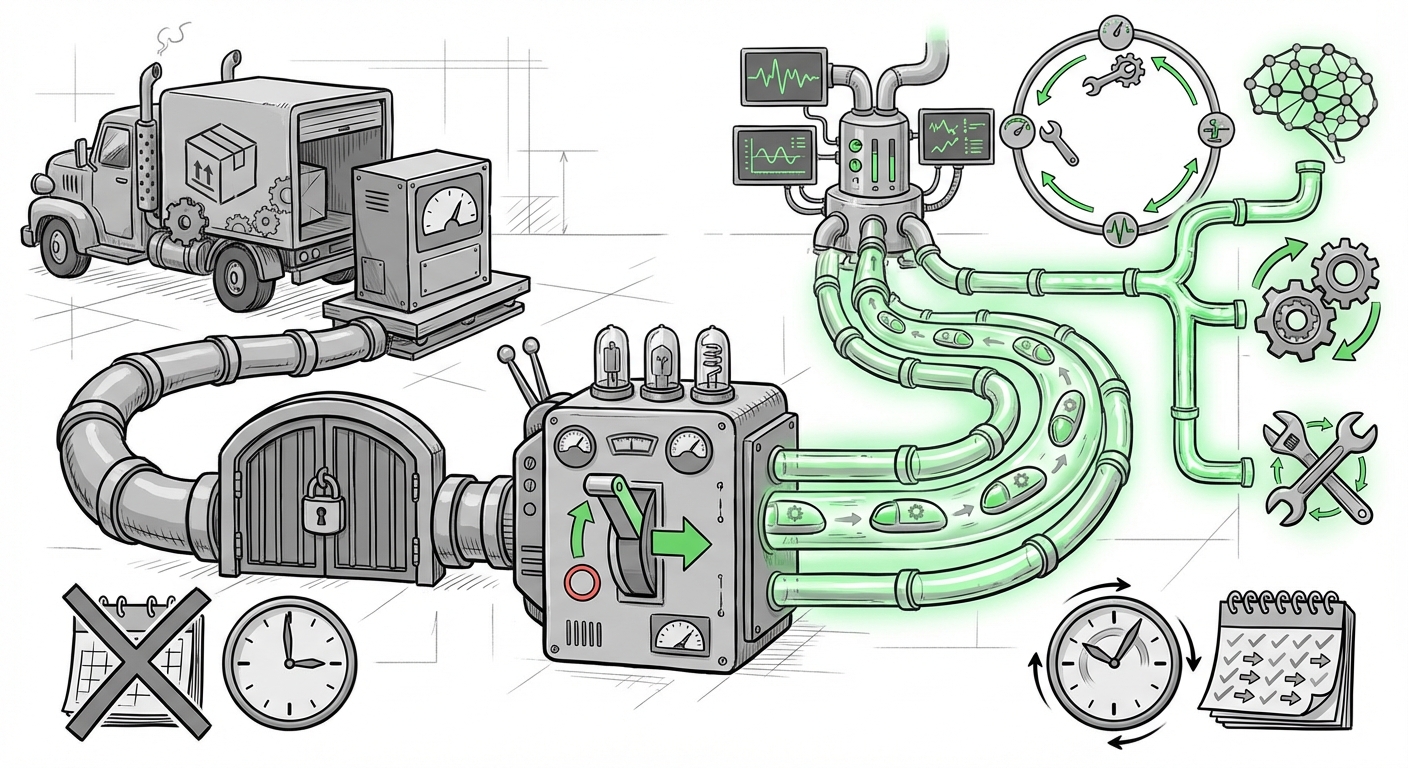
A reward model is a scoring system. In AI training, it is often used to judge how good a model’s output is based on human preferences. The model learns to produce outputs that score well. Memory-aware reward modeling extends this scoring to memory behavior.
That means the reward model does not only ask, “Was the final answer helpful?” It also asks questions like:
- Did the AI remember a relevant user preference at the right time?
- Did it avoid bringing up an irrelevant or outdated detail?
- Did it update a memory when new information contradicted an old fact?
- Did it respect privacy and consent before storing or using personal information?
- Did it forget something when the user asked it to?
These are not small details. They are the difference between an AI that feels helpful and an AI that feels creepy, careless, or unreliable. A memory-aware reward model gives AI developers a way to train for these behaviors directly, using human judgments about what good memory use looks like.
The approach also fits a broader trend in AI: from answer quality to process quality. Early AI evaluations focused on whether a model gave a correct response. Now, as models become agents that take actions over time, the process matters more. How did the AI reach the answer? What did it choose to remember? What did it choose to ignore? Those choices affect trust.
Why This Matters Now: AI Is Becoming Stateful
Most chatbots are still mostly stateless. Each conversation starts fresh, or it relies on a short history. But AI is moving toward long-running assistants and agents. These systems are expected to work across sessions, remember projects, track user preferences, and coordinate with other agents. In that world, memory is not a nice extra. It is a core capability.
Consider a business assistant that helps with customer accounts. It needs to remember that a customer changed their address, but it should not keep using the old address. It needs to remember a support issue was resolved, but it should not keep raising it. It needs to know when a detail is private and should not be shared with another team. These are memory decisions, and they have real consequences.
Consider a personal AI assistant. It may remember that you prefer morning meetings, that you are allergic to certain foods, or that you are working on a sensitive project. That memory can make the assistant more useful. But if the assistant recalls the wrong detail at the wrong time, or shares it too broadly, the same memory becomes a risk.
Memory-aware reward modeling is a way to train for that judgment. It does not promise perfect memory. It aims to make memory use more aligned with human expectations.
What This Means for the Future of AI
1. AI assistants will be judged on memory judgment, not memory size
The next wave of AI products will not win just because they store more. They will win because they remember the right things. Users will notice when an assistant recalls a small preference without being asked, or when it correctly forgets an outdated instruction. Over time, memory judgment could become a key product differentiator, just like response quality is today.
2. Evaluation will get more complex
Today, many AI benchmarks test single answers. Memory-aware systems need tests that run over time. They need scenarios where facts change, users correct the AI, and privacy rules apply. Developers will need to measure false memories, stale memories, oversharing, and failure to recall. This is harder than testing a single response, but it is necessary for real-world trust.
3. Safety and privacy will move to the center
Memory makes AI more personal, and personal data brings risk. A model that remembers too much can expose sensitive information. A model that remembers the wrong thing can spread errors. A model that can be influenced to store false information can be attacked. Memory-aware reward modeling does not solve these problems by itself, but it creates a training signal for safer behavior. It can reward consent, scope limits, and correction.
4. Human preferences will vary by context
There is no single right way to remember. A doctor’s office, a bank, a school, and a family chatbot will have different rules. Even individual users will disagree. Some people want an assistant to remember everything. Others want strict controls. Memory-aware reward models will need to handle context-specific preferences, not just a generic idea of helpfulness.
Practical Implications for Businesses
For business leaders, this research direction is a signal that AI memory is becoming a governance issue, not just an engineering issue. Companies that deploy AI assistants should expect more questions about what the system remembers, where that memory lives, and how it is used.
Build a memory policy before you build memory features
Many teams add memory to a product because it sounds useful. A better starting point is a written policy. What types of information may the AI store? How long is it kept? Who can see it? How can a user correct or delete it? What happens when data conflicts? These questions should be answered before launch, not after an incident.
Separate memory types
Not all memory is the same. A short-term conversation summary is different from a long-term user preference. A project fact is different from a sensitive personal detail. Businesses should design separate stores and rules for each type. This makes it easier to apply privacy controls, retention limits, and access rules.
Collect preference data carefully
Memory-aware reward modeling depends on human feedback. Companies that build custom AI systems may need to collect examples of good and bad memory behavior from their own users. This data should reflect real workflows and real risks. It should also include negative examples: remembering too much, recalling at the wrong time, and failing to forget.
Evaluate over time, not just at launch
Memory failures often appear after days or weeks. A model may slowly accumulate bad facts or drift from user preferences. Teams should run long-running tests that simulate real use. They should track false recalls, missed recalls, privacy leaks, and user corrections. These metrics should be reviewed regularly.
Give users visible controls
Trust grows when users can see and shape what an AI remembers. Simple controls, such as viewing saved memories, editing them, and deleting them, can reduce risk and improve confidence. These controls also create useful feedback for improving memory behavior.
Practical Implications for Society
Memory-aware AI raises social questions that go beyond any single product. People may form relationships with assistants that remember personal details. That can be helpful, but it can also create dependence or confusion. Users may not know what is stored or how it is used. Rules for consent, transparency, and deletion will matter.
There is also a risk of false memory at scale. If an AI confidently recalls something that never happened, or mixes up two people, the result can be harmful. Memory-aware reward modeling can reward correction and uncertainty, but it cannot guarantee truth. Society will need clear expectations for when AI memory should be trusted and when it should be checked.
Another concern is unequal access. If only some people or organizations can afford well-governed memory systems, the benefits may not be shared. Open standards, clear rules, and affordable tools can help. The goal should be memory that serves people, not memory that surprises them.
Actionable Insights for AI Builders
- Define good memory behavior in plain language before training. Include recall, forgetting, updating, privacy, and relevance.
- Reward the process, not just the answer. Score memory decisions alongside final responses.
- Use negative examples. Train models to avoid oversharing, stale recall, and irrelevant memory use.
- Test over long horizons. Simulate weeks of interactions, not just single sessions.
- Make memory auditable. Log what was stored, why, and who can access it.
- Design for correction. Users should be able to fix or delete memories easily.
- Separate sensitive from non-sensitive memory. Apply stricter rules to personal and confidential data.
The Road Ahead
Memory-aware reward modeling is still an emerging idea, and it will not solve every memory problem. Human preferences are messy. Context changes. Reward models can be gamed. But the direction is important. It moves the conversation from “How much can AI remember?” to “How well can AI decide what to remember?”
That is the question that will shape the next generation of AI assistants. The most useful AI will not be the one with the biggest memory. It will be the one that remembers with good judgment, respects boundaries, and knows when to forget.