OpenEnv in Practice: Why Real-World Testing Is the Next Big Step for Tool-Using AI Agents
AI agents that use tools are moving from science fiction into real work. These agents can call APIs, browse the web, send emails, update spreadsheets, and use software just like a person would. The promise is huge: automate complex tasks, save time, and reduce errors. But there is a catch. Just because an agent works in a lab demo does not mean it will work in the messy real world. That is where OpenEnv comes in. OpenEnv is a new way to evaluate tool-using agents in realistic environments. It gives developers and businesses a practice field where agents can be tested under conditions that look and feel like the real world. This article breaks down what OpenEnv is, why it matters, and what it means for the future of AI.
The Rise of Tool-Using AI Agents
For years, AI models were mostly talkers. You asked a question, and they gave an answer. But a new generation of AI systems is different. These systems are agents. They can take actions. They can use tools. A tool-using agent might book a flight by calling an airline API, or it might fill out a web form to update a customer record. It might read a document, extract key numbers, and then enter those numbers into an accounting system.
This shift is a big deal. It means AI can do more than generate text. It can complete real tasks that used to require human hands. For businesses, the potential is enormous. Imagine an agent that handles customer refunds, or one that monitors inventory and places orders when stock runs low. These are not just time-savers; they can change how work gets done.
But tool-using agents are also risky. When an AI can take actions, mistakes can have real consequences. An agent might send an email to the wrong person, delete a file, or make a purchase that was not approved. Lab tests often miss these problems because they use simplified tools and clean data. The real world is messy. APIs fail. Websites change. Data is inconsistent. That is why real-world evaluation is so important.
What Is OpenEnv and Why Does It Matter?
OpenEnv is a framework for evaluating tool-using agents in real-world environments. Instead of testing agents on a few canned tasks, OpenEnv puts them in environments that mimic the complexity of actual work. These environments include realistic tools, realistic data, and realistic constraints. The goal is to see how agents perform when things are not perfect.
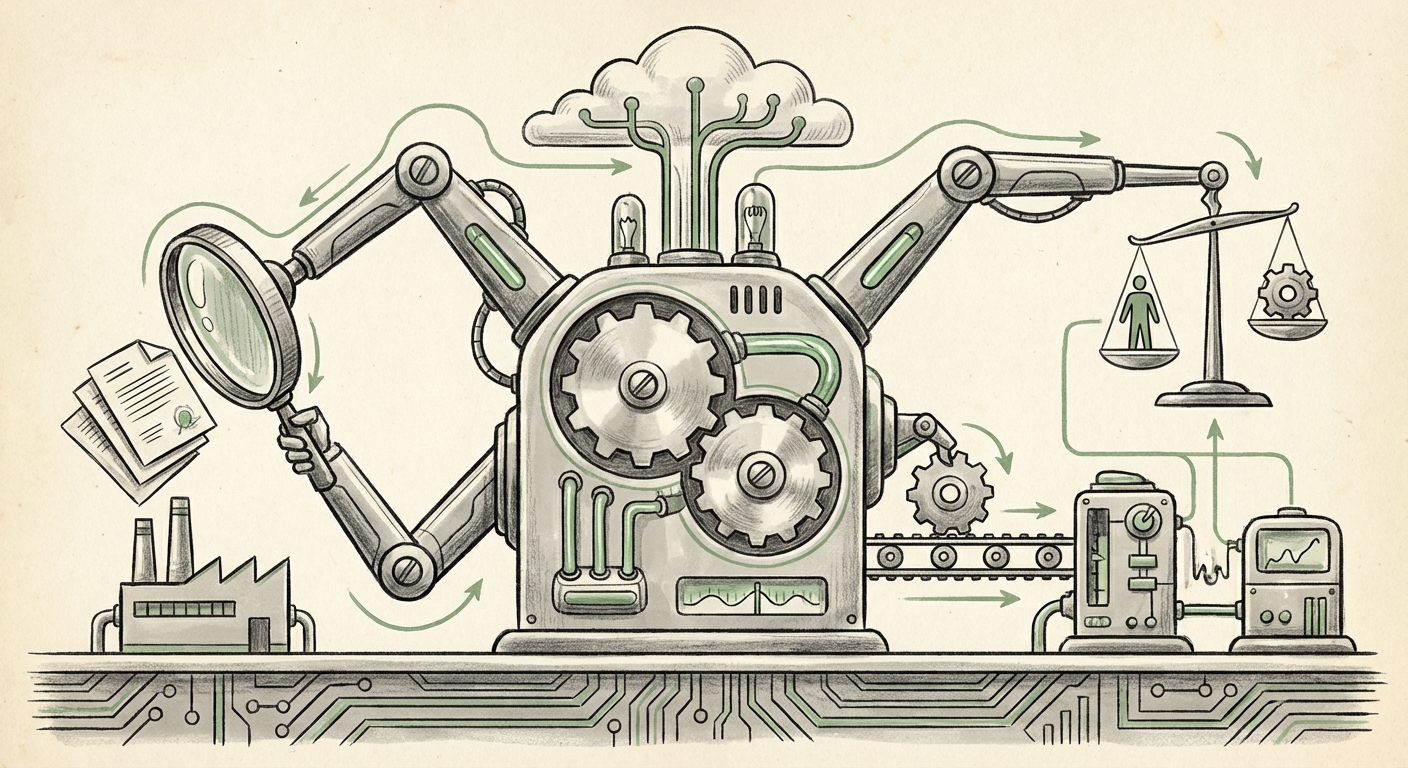
Think of OpenEnv as a flight simulator for AI agents. Pilots do not learn to fly by reading a book. They practice in a simulator that feels like a real cockpit. OpenEnv does the same for AI. It lets developers watch how an agent handles a broken API, a confusing user request, or a tool that returns unexpected results. This kind of testing is much more useful than a simple pass-or-fail score. It shows why an agent succeeds or fails.
OpenEnv also makes it easier to compare different agents. Because the environments are standardized, developers can run the same tests on different models and see which one performs best. This is important for businesses that want to choose the right agent for a job. It is also important for researchers who want to push the field forward.
Why Not Just Use Existing Benchmarks?
Existing benchmarks often focus on narrow tasks. They might test whether an agent can answer a question or follow a simple instruction. But tool-using agents face a much wider range of challenges. They need to plan, use multiple tools in sequence, handle errors, and adapt to changes. A static benchmark cannot capture all of that. OpenEnv fills this gap by providing dynamic, interactive environments that are closer to real life.
Why Real-World Evaluation Is Hard
Testing agents in the real world is not easy. There are several big challenges.
- Side effects: When an agent takes an action, it can change the world. It might send an email, make a purchase, or delete data. You cannot let an agent run wild during testing. OpenEnv solves this by creating safe, sandboxed environments that mimic real tools without causing real damage.
- Tool variability: Real tools are not stable. APIs change. Websites update. Services go down. An agent that works today might fail tomorrow. OpenEnv includes realistic tool behavior, including failures and delays, so agents learn to cope.
- State and context: Many tasks depend on what happened before. An agent that books a flight needs to know the user's preferences and past trips. Testing this in a lab is hard. OpenEnv provides stateful environments where context matters.
- Reproducibility: Real-world tests are hard to repeat. If an agent fails, you need to know why. OpenEnv makes it possible to replay scenarios and debug failures.
These challenges are why OpenEnv matters. It gives developers a controlled way to test agents under realistic conditions. That means fewer surprises when agents are deployed in production.
What This Means for the Future of AI
The rise of OpenEnv points to a bigger trend: AI evaluation is moving from static tests to dynamic environments. In the future, we will not judge AI agents by how well they answer a few questions. We will judge them by how well they perform in realistic, changing environments. This is a more honest way to measure progress.
This shift will have several effects. First, it will raise the bar for AI developers. Agents that work only in clean labs will be seen as incomplete. Developers will need to build agents that can handle real-world messiness. Second, it will make it easier for businesses to trust AI. When you can see how an agent performs in a realistic environment, you can make better decisions about deployment. Third, it will encourage open collaboration. OpenEnv-style environments can be shared, so researchers and companies can build on each other's work.
In the long run, real-world evaluation could become a standard part of the AI development cycle. Just as software engineers use staging environments before pushing code to production, AI teams will use OpenEnv-like environments before deploying agents. This will make AI systems safer and more reliable.
Practical Implications for Businesses
If you are a business leader, OpenEnv offers a clear message: do not deploy tool-using agents without real-world testing. Here are some practical steps you can take.
- Build evaluation into your development process: Do not treat testing as an afterthought. Make it a core part of how you build agents. Use OpenEnv or similar environments to test agents early and often.
- Focus on realistic tool use: Test agents with the actual tools they will use in production. If your agent will use a CRM API, test it with a realistic CRM API that includes errors and delays.
- Measure more than success rate: Look at how agents handle failures. Do they recover gracefully? Do they ask for help? Do they take risky actions? These are the metrics that matter.
- Start with low-risk tasks: When you first deploy an agent, give it tasks with limited consequences. For example, let it draft emails but not send them. As confidence grows, expand its responsibilities.
- Invest in safety and permissions: Make sure your agents have clear boundaries. They should only be able to use tools they are authorized to use. OpenEnv can help you test these boundaries.
These steps may seem simple, but they can save a lot of trouble. The cost of a failed agent deployment can be high. Real-world testing reduces that risk.
Actionable Insights for AI Teams
For AI teams, OpenEnv is a tool for learning. Here are some ways to get the most out of it.
- Create diverse scenarios: Do not just test happy paths. Include edge cases, ambiguous requests, and tool failures. The more varied your tests, the more robust your agent will be.
- Track failure modes: When an agent fails, categorize the failure. Is it a planning error? A tool-use error? A misunderstanding of the user's intent? This analysis will guide improvements.
- Use real-world data: Where possible, use real data in your tests. Synthetic data can miss important patterns. OpenEnv can help you simulate real data while protecting privacy.
- Iterate quickly: Use OpenEnv to run many tests in a short time. Fast feedback loops lead to faster improvements.
- Share results: If you can, share your evaluation results with the community. This helps everyone build better agents.
Challenges and Open Questions
OpenEnv is a step forward, but it is not a complete solution. There are still challenges to address.
- The simulation gap: No simulated environment is perfectly real. There is always a gap between the simulation and the real world. Developers need to be aware of this gap and test in real environments when possible.
- Cost and speed: Realistic environments can be expensive to run. They may require more computing power and more setup. Balancing realism with cost is important.
- Standardization: For OpenEnv to be widely useful, it needs standards. Different teams need to be able to compare results. This will take time and collaboration.
- Security: Running agents in realistic environments can introduce security risks. If an agent can access real tools, it could be exploited. Sandboxing and permissions are essential.
These challenges are not reasons to give up. They are reasons to keep improving. The future of AI agents depends on better evaluation, and OpenEnv is a valuable step in that direction.
Conclusion: A Practice Field for the Future of AI
Tool-using AI agents are poised to change how work gets done. But their success depends on reliable evaluation. OpenEnv provides a practical way to test agents in real-world environments, where complexity and uncertainty are the norm. It moves AI evaluation beyond static benchmarks and into the messy, dynamic world where agents will actually operate.
For businesses, the message is clear: test before you trust. Use environments like OpenEnv to see how agents handle real tools, real data, and real failures. For developers, OpenEnv is a chance to build better agents by learning from realistic feedback. And for the field as a whole, it is a sign that AI is maturing. We are no longer just excited about what agents can do; we are serious about making sure they do it safely and well.
The future of AI will be built on rigorous, real-world testing. OpenEnv is a practice field for that future. The organizations that embrace this approach will be the ones that lead.