iPhone Duo and the AI Readiness Gap: Why the Market Can Arrive Before the Apps Do
The iPhone Duo story begins with a twist that every technology leader should study. The market was ready. The apps were not. That single sentence flips the usual launch narrative. Most new products struggle because no one wants them. The iPhone Duo faced a different problem: demand arrived before the software experience could fully meet it.
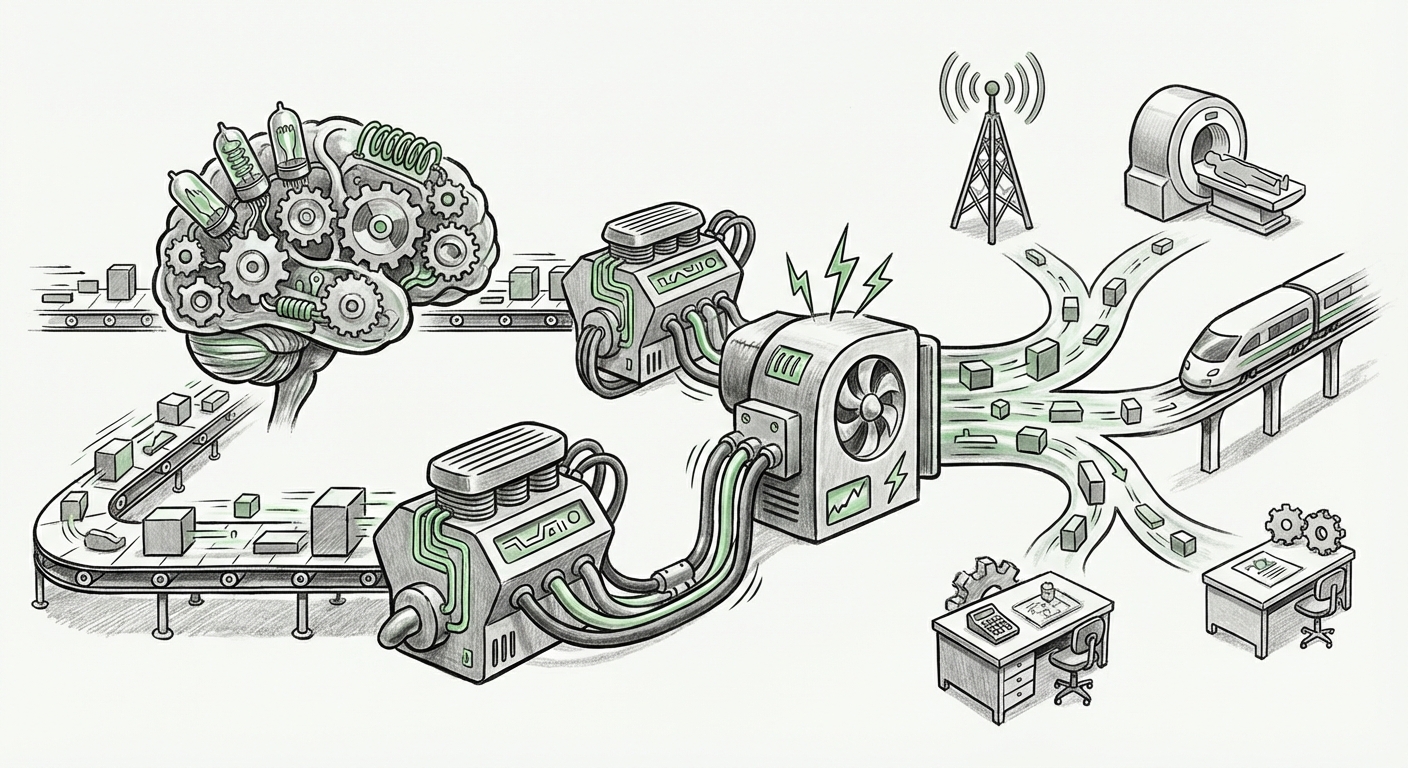
That is not just a mobile story. It is a preview of what is happening in artificial intelligence. AI models, chips, and cloud platforms have created enormous excitement. The market for AI is clearly here. But many AI applications are still catching up. The gap between what people expect and what apps can reliably deliver is the defining challenge of the next AI wave.
The future of AI will not be decided only by bigger models or faster hardware. It will be decided by whether useful applications arrive in time to meet the demand. The iPhone Duo story shows what happens when the platform outruns the app ecosystem. AI leaders should take note before the same gap becomes a trust problem.
The iPhone Duo Lesson: Demand Can Outrun Readiness
The iPhone Duo release highlights a simple truth about platforms. A new device can create a market signal before developers have built the right experiences. Users see promise. Businesses see opportunity. Developers see a new platform to learn. But learning takes time. Apps cannot always be ready on day one.
This is not a failure of demand. It is a timing problem. The market can be ready to buy, try, and adopt while the application layer is still immature. When that happens, early buyers become testers. Their excitement can turn into frustration if the apps feel unfinished, confusing, or incomplete.
For AI, the parallel is direct. The market is ready for AI that saves time, cuts costs, and improves decisions. Business leaders are asking for AI strategies. Workers are already using AI tools in daily tasks. But many AI apps are still thin, unreliable, or poorly integrated into real workflows. The demand is real. The application layer is uneven.
The iPhone Duo story is a warning against assuming that platform excitement equals product readiness. It is also an opportunity for companies that can close the gap faster than others.
AI Is Living a Similar Moment
AI has moved from research labs into boardrooms. The market signal is strong. Companies want AI. Employees want AI. Investors want AI. But the experience of using AI is not always smooth. Many tools work well in demos but stumble in production. They struggle with accuracy, cost, privacy, integration, and trust.
This is the AI version of “the apps weren’t ready.” The underlying technology is powerful. The market is eager. But the applications that turn raw capability into everyday value are still being built. The winners will not be the companies with the most impressive model benchmarks. They will be the companies that deliver AI applications people can actually use.
That means AI must move beyond chat boxes and novelty features. It must become part of workflows. It must fit into existing systems. It must handle exceptions. It must be safe enough to trust and simple enough to adopt. The market is ready for that. The apps are still catching up.
Why AI Applications Lag Behind AI Excitement
There are several reasons why AI apps often arrive after the market is ready. First, AI is not a normal software feature. Traditional software behaves predictably. AI systems can produce different answers to the same question. That makes them harder to test, govern, and trust.
Second, AI apps need data readiness. Many organizations have data spread across systems, formats, and teams. Before an AI app can work well, the data must be clean, accessible, and governed. That work is slow. It does not produce a flashy demo.
Third, AI apps need new design patterns. A useful AI assistant must know when to act, when to ask, and when to stop. It must show its reasoning in ways people can follow. It must have fallback options when it is unsure. These patterns are still being invented.
Fourth, AI apps need evaluation. It is not enough for an app to work once. It must work reliably across many cases. Teams need ways to measure quality, safety, cost, and speed. Without that, pilots never become production systems.
Finally, AI apps need change management. People do not adopt tools just because they are smart. They adopt tools that make their work easier. Training, trust, and clear rules matter as much as model quality.
A Ready Market Can Become a Frustrated Market
The most important risk in the iPhone Duo story is not that apps were late. It is that late apps can damage trust. Early buyers may feel that the promise was oversold. Developers may feel pressure to ship fast. The platform may be blamed for an experience that was not yet ready.
AI faces the same risk. If companies rush AI apps to market before they are useful, customers will become skeptical. If workers try AI tools that give wrong answers or waste time, they may reject the next wave of tools. If leaders promise transformation before the applications can deliver, budgets will shrink.
This is why the application gap matters. A ready market is a gift. But it is also a test. The companies that treat AI as a product, not a demo, will win. The ones that treat it as a race to announce features will create frustration.
What This Means for the Future of AI
The future of AI will be application-first. Models will matter, but they will increasingly become infrastructure. The value will shift to the apps, agents, and workflows that sit between AI capability and real-world outcomes.
In the next phase, we should expect AI to be embedded into existing tools rather than used only in separate apps. AI will show up in customer support, finance, healthcare, education, manufacturing, and public services. It will be judged by whether it reduces effort, improves quality, or speeds up decisions. That is an application question, not a model question.
We should also expect more vertical AI apps. General tools are useful, but industry-specific apps can fit real workflows. A legal AI app must understand contracts. A healthcare AI app must handle privacy. A manufacturing AI app must work with machines and schedules. The market is ready for these focused apps. The apps are still being built.
The iPhone Duo story suggests that platform readiness is not enough. The future of AI depends on an ecosystem of developers who can turn raw capability into trusted experiences. Companies that invest in that ecosystem will shape the next decade.
Practical Implications for Businesses
For business leaders, the lesson is clear: do not buy AI just because the market is excited. Buy AI because it solves a specific problem. Start with workflows where AI can make a measurable difference. Then expand.
Leaders should audit their readiness before scaling. Is the data available? Are the right people involved? Are there clear rules for use? Can the app be tested against real cases? These questions matter more than the size of the model.
Businesses should also treat AI as a product. That means assigning owners, gathering feedback, measuring results, and improving over time. Pilots are not the finish line. Production is.
Finally, businesses should invest in people. AI apps work best when workers understand what they do and when to trust them. Training and change management are not optional. They are part of the application layer.
Practical Implications for Society
The iPhone Duo story also has a social lesson. When apps lag, the benefits of a new platform go first to people with the skills, time, and resources to experiment. Others wait. That can widen gaps in access and opportunity.
For AI, this means we need to pay attention to who gets useful apps and who does not. Schools, small businesses, public services, and older workers may need extra support. If AI apps are only designed for tech-savvy early adopters, the market may be ready but society may not be.
Trust is another social issue. People need to know when AI is being used, what it is doing, and how to challenge it. Clear rules and honest communication will help. Hype without delivery will not.
Actionable Insights for Leaders
- Watch the app gap, not just the platform. A new AI model or tool is not the same as a useful application. Track whether real workflows are improving.
- Start with a painful problem. Choose a use case where AI can save time, reduce errors, or improve service. Avoid novelty projects.
- Prepare your data. Clean, accessible, governed data is the foundation of every reliable AI app.
- Design for trust. Build in checks, explanations, fallbacks, and human review where needed.
- Measure outcomes. Track cost, speed, quality, and user satisfaction. Kill pilots that do not show value.
- Invest in adoption. Train people, set clear rules, and create feedback loops. The best AI app fails if no one uses it.
- Build or partner for the last mile. The hardest work is often integration, not the model itself.
Conclusion: The Winners Will Close the Application Gap
The iPhone Duo story is not really about a device. It is about timing. The market can be ready before the apps are. That creates risk, but it also creates opportunity. The companies that can turn demand into useful applications will define the next phase.
AI is at that same point. The market is ready. The apps are not fully ready. The future will belong to teams that close that gap with focused products, trusted design, and real workflow value. The platform is here. The application layer is the work. And the winners will be the ones who do that work well.