GPT-6 and Intelligent UI: What the Next Wave of AI Means for Everyone
The arrival of GPT-6 and the push for an intelligent UI for everyone marks a major turning point in how we interact with technology. It is not just another model update. It is a signal that artificial intelligence is moving from a tool you open to a presence that adapts to you. The name GPT-6 tells us we are in the next generation of large language models. The phrase "intelligent UI for everyone" tells us the goal is to make that power feel natural, personal, and accessible to all. Together, they point to a future where AI is woven into the fabric of daily life and work.
For businesses, developers, and everyday users, the message is clear: the interface is becoming the intelligence. The way we ask for things, the way systems respond, and the way software learns our habits will all shift. This article breaks down what this shift means, why it matters, and how to prepare.
The Big Shift: From Models to Experiences
For years, progress in AI was measured by model size, benchmark scores, and raw capability. Each new version of a language model could do more: write better, reason further, answer faster. But a model alone is not a product. What makes AI useful is how it meets people. That is why the focus on an intelligent UI for everyone is so important.
An intelligent UI is not just a pretty screen. It is an interface that understands intent. It can listen, watch, and learn. It can change based on who you are, what you are doing, and what you need next. Think of how a good assistant works. They do not make you fill out forms. They ask the right question at the right time. They remember your preferences. They act on your behalf. The intelligent UI brings that experience to software at scale.
With GPT-6, the underlying language and reasoning engine becomes strong enough to power that kind of interface. Instead of clicking through menus, you can describe what you want in plain language. Instead of learning a tool, the tool learns you. This is the shift from using software to collaborating with it.
What "For Everyone" Really Means
The phrase "for everyone" is not marketing fluff. It has real consequences. It means AI should not be limited to technical experts or wealthy early adopters. It should work for the student with a cheap phone, the small business owner with no IT team, the senior who is not a digital native, and the worker who needs help right now.
An intelligent UI can help close gaps. It can offer voice input for people who cannot type. It can translate languages in real time. It can simplify complex tasks into a few clear steps. It can adapt to different levels of skill. A beginner gets guidance. An expert gets shortcuts. The same system serves both.
This has huge implications for equity. When AI is easy to use, more people can benefit from it. That means more small businesses can compete. More students can learn. More workers can upskill. The technology becomes a leveler, not just a multiplier for those already ahead.
But "for everyone" also raises the bar for safety and trust. If AI is everywhere, it must be reliable. It must be transparent about what it is doing. It must be easy to correct. An intelligent UI that confuses people or hides its actions will fail. The winners will be those who build interfaces that feel helpful, not mysterious.
What GPT-6 Represents for the Future of AI
The name GPT-6 signals continuity and ambition. It suggests that the core language model is still improving. That matters because a better model can handle more complex requests, follow longer instructions, and make fewer mistakes. But the real story is not just the model. It is what the model enables.
As models mature, the focus moves from "what can it do?" to "how does it fit into my life?" That is where the intelligent UI comes in. The model is the engine. The UI is the steering wheel, the dashboard, and the GPS. Without a great UI, even a powerful engine is hard to use. With a great UI, the power feels effortless.
This also changes how AI is built and sold. Companies will compete less on raw model benchmarks and more on user experience. They will ask: Does the AI understand my context? Can it take action across my apps? Does it remember my preferences without overstepping? Can I trust it with sensitive tasks? These are interface questions as much as they are model questions.
From Chat to Action
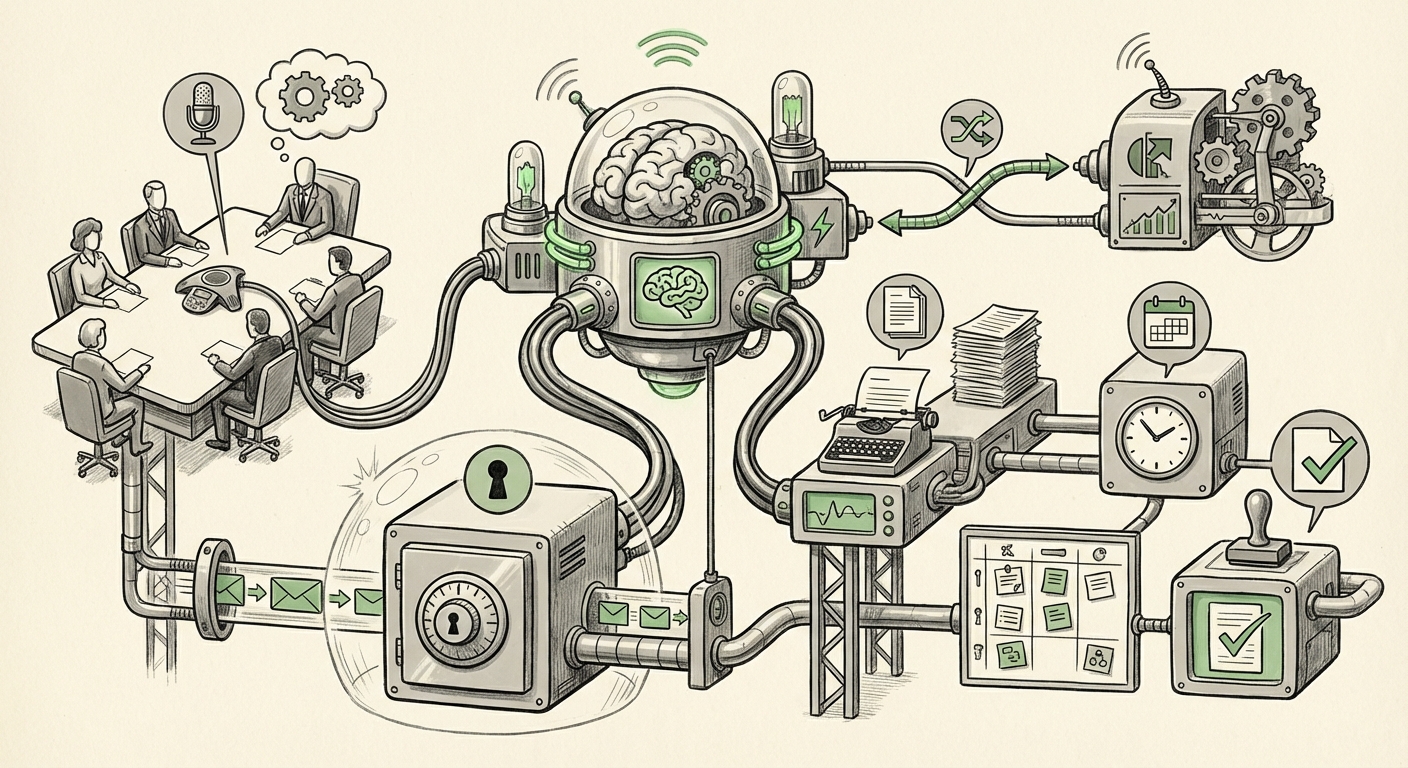
One of the biggest trends is the move from conversation to action. Early chatbots could answer questions. The next generation can do things. An intelligent UI can connect to your calendar, email, files, and tools. You can say, "Move my 3pm meeting and send a note to the team," and it happens. That requires the model to reason, plan, and use tools safely.
For businesses, this opens new doors. Customer support can become proactive. Sales teams can get instant summaries. Operations can automate routine workflows. But it also means new risks. If an AI can act, it can also act wrongly. The UI must make actions visible, reversible, and permission-based. Trust will be the currency of this era.
Personalization Without Creepiness
An intelligent UI will learn your habits. That can be helpful. It can also feel invasive. The best systems will be transparent about what they remember and why. They will give you control. They will forget on request. They will not surprise you with actions you did not approve.
For companies, this is a design challenge and a policy challenge. Personalization must be opt-in and easy to manage. The value must be clear: better results, less effort, more relevance. If users feel watched, they will push back. If they feel served, they will adopt.
Practical Implications for Businesses
The GPT-6 and intelligent UI wave will affect every part of an organization. Here are the areas to watch.
1. Customer Experience Becomes Conversational
Websites and apps will become less about pages and buttons and more about dialogue. A customer can state a problem in their own words and get a solution. This will raise expectations. If your competitor's site feels like a helpful assistant and yours feels like a maze, you will lose. Start by adding natural language help to key journeys. Then expand to proactive support.
2. Internal Tools Get Smarter
Employees waste hours navigating software. An intelligent UI can sit on top of existing systems and simplify them. Instead of learning five different tools, a worker can ask one assistant to get things done. This can boost productivity and reduce training time. The key is integration. The UI must connect to the systems of record safely.
3. Product Design Shifts to Intent
Designers will spend less time on menus and more time on intent models. What does the user want? What is the best next step? How do we confirm understanding without annoying? The best interfaces will feel like a smart colleague who knows when to speak and when to listen.
4. Data and Privacy Become Strategic
Personalization requires data. But trust requires restraint. Businesses must invest in privacy-preserving personalization. That means clear consent, strong security, and easy controls. The companies that get this right will earn loyalty. Those that get it wrong will face backlash.
Practical Implications for Society
The "for everyone" promise has broad social impact. On the positive side, AI can make services more accessible. People with disabilities can use voice and vision to interact. Language barriers can shrink. Education can become more personalized. Small businesses can access capabilities once reserved for large firms.
But there are risks. If AI is the main interface, people who lack access to devices or connectivity could be left behind. Digital literacy will matter more, not less. We will need public investment in access and training. We will also need clear rules for accountability. When an AI assistant makes a mistake, who is responsible? The user? The company? The model provider? These questions need answers.
There is also the question of work. An intelligent UI can automate tasks, but it can also augment workers. The difference depends on design and policy. If AI is used to replace people without support, inequality can grow. If it is used to help people do more and learn faster, it can create opportunity. The outcome is not predetermined. It will be shaped by choices made now.
Actionable Insights: How to Prepare
- Start with a high-friction journey. Pick one customer or employee process that is painful. Add a natural language layer. Measure time saved and satisfaction. Learn before scaling.
- Design for trust. Make AI actions visible and reversible. Show what the system knows and why. Give users easy controls. Trust is built in small moments.
- Invest in integration. An intelligent UI is only as good as the systems it can reach. Build secure APIs and permission models. Without integration, the UI is just a chat window.
- Train your people. Help employees become good AI collaborators. Teach them to write clear requests, check outputs, and use AI responsibly. This is a new skill set.
- Watch the model, but bet on the experience. GPT-6 and future models will keep improving. But your competitive edge will come from how well you translate that power into useful, trusted experiences.
- Plan for governance. Set clear rules for data use, bias testing, and accountability. An intelligent UI that acts on behalf of users needs guardrails.
The Road Ahead
GPT-6 and the intelligent UI for everyone are not just technical milestones. They are signals of a broader shift. AI is moving from a destination you visit to an assistant that travels with you. It will be in your browser, your apps, your workplace, and your home. The winners will be those who make that presence feel natural, helpful, and safe.
For businesses, the message is to stop treating AI as a feature and start treating it as an interface. For society, the message is to ensure that "for everyone" is real, not just a slogan. The technology is powerful. The experience is what will decide whether people embrace it or resist it.
The next wave of AI will not be won by the biggest model. It will be won by the best interface. That is the future GPT-6 points to. And it is a future we can shape starting now.