Pollo AI + OpenAI: How AI Turns Creative Ideas into Campaigns (and What It Means for the Future)
Imagine typing a rough creative idea into a tool and watching it grow into a full marketing campaign, complete with copy, images, targeting suggestions, and a schedule. That’s the promise behind the new collaboration between Pollo AI and OpenAI. While details are still emerging, the headline alone signals a major shift: AI is moving from helping with isolated tasks to orchestrating entire creative workflows.
This isn’t just about generating a catchy slogan or a single image. It’s about connecting the dots from a spark of an idea to a ready-to-launch campaign. For businesses, creators, and society, this raises important questions: How will AI change the way we work? What skills will matter? And how do we make sure these powerful tools are used responsibly?
From Idea to Campaign: The Next Step for Generative AI
For the past few years, generative AI has been great at producing individual pieces of content. Need a blog post? An image? A social media caption? AI can help. But real campaigns require more than that. They need a coherent message across channels, a target audience, a budget, and a timeline. They need orchestration.
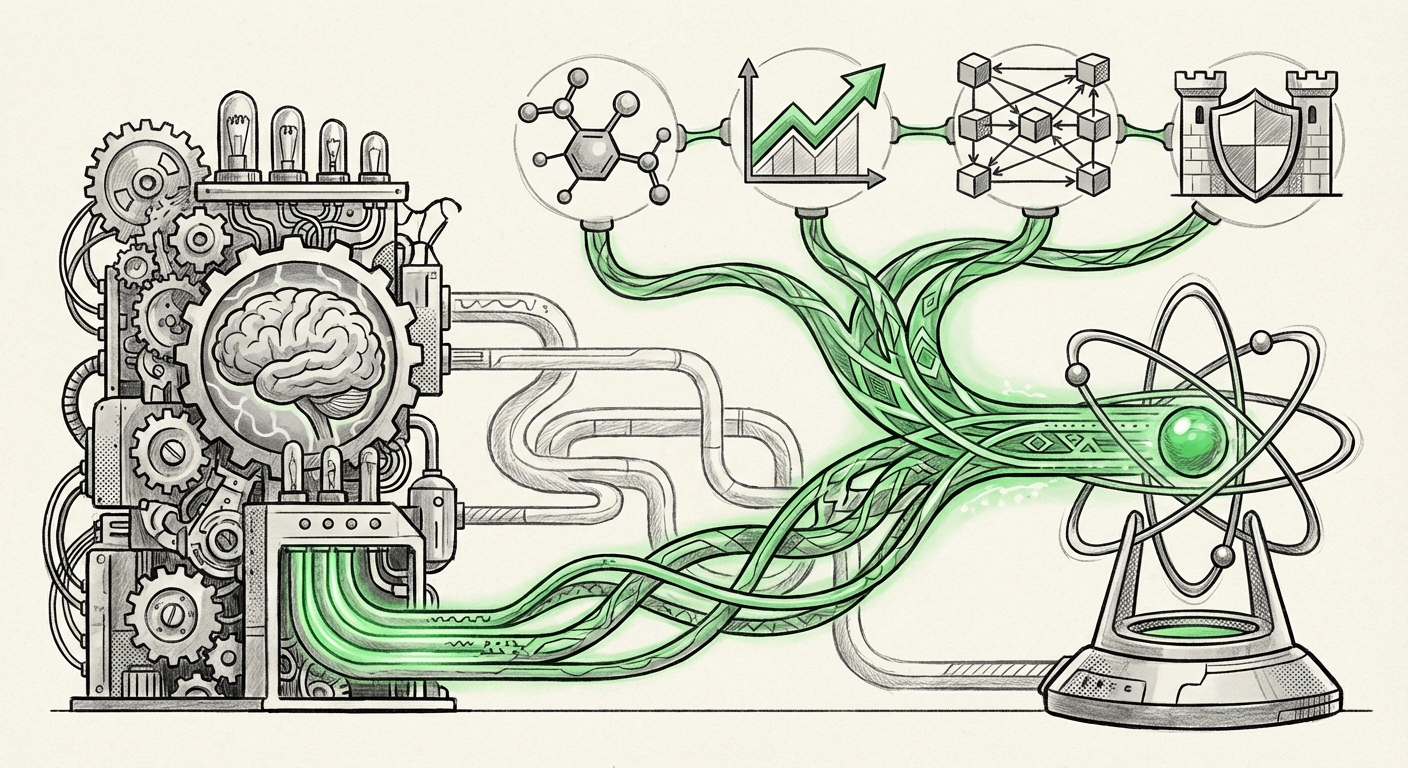
The Pollo AI–OpenAI collaboration points toward exactly that. By combining Pollo AI’s creative platform with OpenAI’s language and reasoning capabilities, the goal seems to be a system that can take a simple brief and turn it into a multi-part campaign. Think of it as an AI project manager that also happens to be a copywriter, designer, and strategist, all working together.
This is a natural evolution. Large language models like those from OpenAI are increasingly good at planning, following instructions, and calling on other tools. They can break a big goal into smaller steps and execute them in sequence. That’s the foundation for turning ideas into campaigns.
For marketers, this could mean going from weeks of back-and-forth to hours of iteration. For small businesses without big creative teams, it could level the playing field. For large agencies, it could free up human talent to focus on strategy and brand storytelling rather than repetitive production work.
The Future of AI: More Than a Tool, a Teammate
What does this mean for the future of AI? First, it shows that AI is becoming more agentic. Instead of waiting for a prompt for every little step, AI systems will increasingly take a high-level goal and work out the details. They’ll plan, execute, check their work, and adjust. That’s a big leap from the “ask and answer” pattern we’re used to.
Second, it highlights the importance of partnerships. Pollo AI brings creative workflow expertise; OpenAI brings foundational AI models. Neither could easily do the other’s job alone. This kind of collaboration, where specialized platforms integrate powerful general-purpose models, will likely become the norm. It’s how AI gets from the lab into real-world workflows.
Third, it suggests that the next wave of AI innovation will be about integration, not just raw model power. The winners won’t necessarily have the biggest model; they’ll have the best way to plug AI into existing processes. Campaign creation is a perfect example: it touches design, copywriting, analytics, and project management. An AI that can navigate all of that is far more valuable than one that can only write a poem.
We’re also likely to see more multimodal systems. Campaigns aren’t just text, they’re images, videos, and audio. OpenAI’s models already handle multiple formats, and platforms like Pollo AI can weave them together. In the future, you might describe a campaign concept in a sentence and get back a full storyboard, sample ads, and a media plan.
What This Means for Businesses
For business leaders, the Pollo AI–OpenAI news is a wake-up call. AI is no longer a side experiment; it’s becoming a core part of how work gets done. Here’s what to watch for:
- Speed and iteration: Campaigns that took weeks can be drafted in hours. That means more experiments, faster feedback, and the ability to respond to trends in real time.
- Lower barriers to entry: Small teams can produce professional-grade campaigns without hiring a full agency. This democratizes marketing but also increases competition.
- New roles: Humans will spend less time producing assets and more time guiding strategy, setting guardrails, and ensuring brand voice. “AI editor” and “prompt strategist” may become common job titles.
- Quality control: AI-generated campaigns need human review for accuracy, tone, and cultural sensitivity. Businesses will need robust review processes.
The biggest risk is not adopting these tools and falling behind. The second biggest risk is adopting them without proper oversight. Companies that find the right balance, using AI for speed and scale while keeping humans in the loop for judgment, will come out ahead.
Practical Steps for Businesses
If you’re running a business, here’s how to prepare for this shift:
- Start small: Pick one campaign or project and try using AI for ideation and first drafts. Measure the time saved and quality gained.
- Define your brand voice: The better you can describe your brand’s personality, the better AI can match it. Create clear guidelines.
- Set up a review workflow: No AI-generated content should go live without a human check. Build this into your process from day one.
- Train your team: Invest in upskilling. Your team needs to learn how to prompt effectively, critique AI output, and integrate AI into their daily work.
- Track results: Use data to see what works. AI can help with A/B testing and optimization, but you need to measure outcomes.
Implications for Society and Creative Work
The idea of AI turning ideas into campaigns also raises bigger questions about creativity and work. Will AI replace creative professionals? The short answer is: not entirely, but it will change what they do.
History shows that when technology automates certain tasks, it often creates new opportunities. The printing press didn’t eliminate writers; it created a publishing industry. The camera didn’t kill painting; it gave rise to photography. Similarly, AI will likely handle the repetitive parts of campaign creation, drafting variations, resizing images, scheduling posts, while humans focus on the big ideas, emotional connection, and strategic thinking.
However, there are real concerns. If AI can generate campaigns cheaply, will companies cut creative jobs? Will we see a flood of generic, AI-generated content that dilutes quality? How do we ensure AI respects copyright and cultural norms? These are not just technical problems; they’re social and ethical ones.
The Pollo AI–OpenAI collaboration makes these questions urgent. As AI becomes more capable of end-to-end creative work, we need clear rules and norms. That means:
- Transparency: People should know when they’re seeing AI-generated content.
- Fairness: AI models should be trained on data that respects creators’ rights.
- Accountability: Humans must be responsible for what AI produces.
- Inclusion: These tools should be accessible to diverse creators, not just big companies.
There’s also an opportunity. If AI handles the grunt work, creative professionals can spend more time on the work that matters: understanding audiences, telling authentic stories, and pushing creative boundaries. The future of AI in creative work could be one of augmentation, not replacement, but only if we steer it that way.
The Road Ahead: What to Expect
Based on this collaboration, we can expect a few trends to accelerate:
- More end-to-end AI workflows: Campaign creation is just one example. Similar tools will emerge for product design, event planning, and content production.
- Deeper integration of AI into everyday software: Instead of separate AI tools, AI will be built into the platforms we already use. Your CRM might suggest a campaign; your design tool might generate ad variations.
- Rise of AI orchestration platforms: Companies like Pollo AI that can coordinate multiple AI models and tools will become key players. They’ll be the “glue” that makes AI useful for complex tasks.
- Focus on trust and safety: As AI takes on more responsibility, tools for fact-checking, bias detection, and brand safety will become essential.
For AI researchers and developers, this is a reminder that the most impactful work isn’t just about building bigger models. It’s about building systems that combine models with domain expertise, user interfaces, and workflows. The magic happens when AI meets real-world needs.
How to Get Ready, Actionable Insights
Whether you’re a marketing manager, a small business owner, or a creative professional, here’s what you can do today:
- Experiment with AI writing and design tools: Start with free or low-cost tools to understand their strengths and limits.
- Learn to write good prompts: Clear, specific instructions get better results. Practice describing your goals in detail.
- Build a human review checklist: Before publishing AI-assisted content, check facts, tone, and brand alignment.
- Stay informed: Follow developments from companies like Pollo AI and OpenAI to understand what’s coming next.
- Join the conversation: Share your experiences and concerns. The future of AI will be shaped by the people who use it.
The collaboration between Pollo AI and OpenAI is more than a product announcement. It’s a signpost pointing to a future where AI doesn’t just assist with tasks, it helps bring ideas to life from start to finish. That future is exciting, but it also requires thoughtful navigation. By focusing on human-AI collaboration, ethical guardrails, and continuous learning, we can make the most of this new era.
Conclusion
Pollo AI’s work with OpenAI shows us where AI is heading: from isolated tools to integrated partners that can turn a creative spark into a full campaign. This shift will speed up marketing, lower barriers for small businesses, and change the skills that matter in creative work. But it also raises questions about quality, jobs, and responsibility. The winners will be those who embrace AI as a collaborator while keeping human judgment at the center. As AI becomes more capable, the most important question won’t be “What can AI do?” but “How should we use it?”