Computer Vision Engineer in 2026: The Roadmap, the Skills, and What It Means for AI
Computer vision is no longer just a research demo. In 2026, it is becoming a working part of daily business and public life. Cameras and images are being used to check products, guide machines, support doctors, watch safety, and help people understand the world. That shift is changing what it means to be a computer vision engineer. The job is less about training one model and more about building a complete system that works in the real world.
The roadmap to becoming a computer vision engineer in 2026 reflects that change. The strongest candidates will not only know how vision models work. They will also know how to collect good data, test for failure, deploy to real devices, protect privacy, and explain results to people who are not engineers. This article breaks down that roadmap and explains why it matters for the future of AI and how it will be used.
Why 2026 Is a Turning Point for Computer Vision
AI has moved from “Can it work?” to “Can it work reliably, safely, and at a sensible cost?” Computer vision sits at the center of that question. A vision system often touches the physical world. It may control a robot, flag a defect, read a document, or help a driver. That means mistakes are not just bad predictions. They can become safety problems, lost money, or damaged trust.
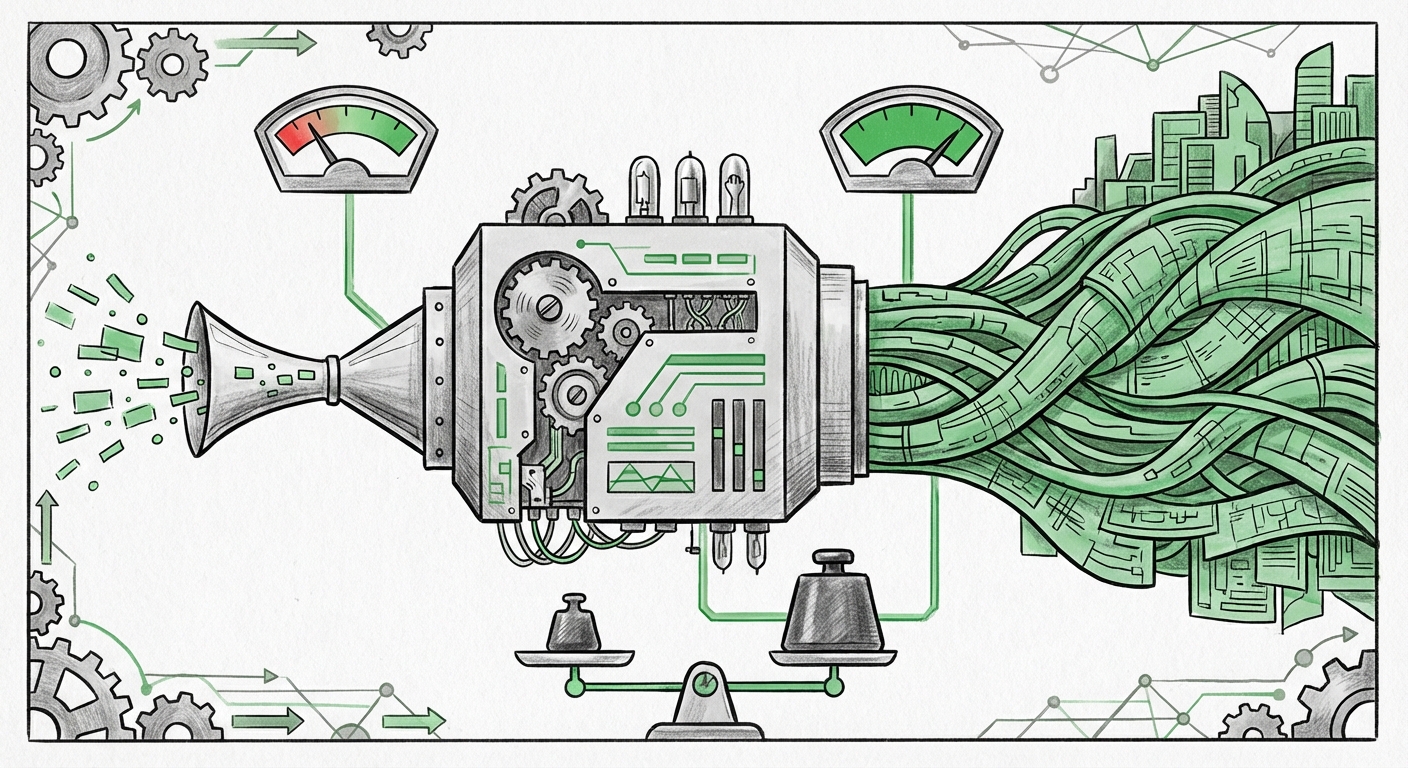
In 2026, the computer vision engineer is becoming a system builder. The role is growing beyond model design. It now includes data pipelines, deployment, monitoring, and product thinking. The engineer who can connect those pieces will be far more valuable than one who can only build a model in a notebook.
The 2026 Computer Vision Roadmap at a Glance
A good roadmap is not a list of tools to memorize. It is a path from basic understanding to real-world delivery. The path below is a practical way to think about the skills and stages that matter.
Stage 1: Build Strong Foundations
Start with the basics that never go out of style. Learn the math behind images and models: linear algebra, probability, and statistics. Understand how an image becomes numbers, why scale and lighting matter, and how uncertainty affects results. Learn programming well enough to write clean, testable code. These foundations make it easier to learn new methods later, because the field keeps changing.
Do not rush past this stage. Engineers who understand the “why” behind a method can debug it when it fails. Engineers who only copy code often get stuck when the data changes or the model behaves badly.
Stage 2: Learn the Craft of Data
Computer vision lives and dies by data. In 2026, data work is a core engineering skill, not a side task. Learn how to collect images, label them consistently, check quality, and handle messy real-world conditions. Learn how to spot bias in a dataset. Learn how to protect personal information and follow privacy rules.
A strong vision engineer asks hard questions about data: Who is missing from this dataset? What happens at night, in rain, or in low light? Are the labels correct? Does the data match the place where the system will be used? These questions often matter more than the model choice.
Stage 3: Master Core Vision Tasks
Build a working understanding of the main vision tasks: image classification, object detection, segmentation, tracking, and document or text recognition. You do not need to know every method. You do need to know when each task fits a problem and how to measure success. Learn how to compare models, read results, and explain trade-offs.
Practice on projects that are small enough to finish but real enough to teach you something. A project that runs end to end teaches more than a perfect model that never leaves a notebook.
Stage 4: Learn Modern Training and Evaluation
Deep learning is still the engine behind most modern computer vision. Learn how training works, how to improve a model, and how to avoid overfitting. More importantly, learn how to evaluate a system for the real world. Accuracy alone is not enough. You need to know how often the system fails, what kind of failures matter, and how it behaves when the input is unusual.
In 2026, strong evaluation skills are a career advantage. Businesses do not want a model that looks good on a test set. They want a system that performs under real conditions and can be monitored after launch.
Stage 5: Learn Deployment and Operations
This is where many aspiring engineers fall short. A vision system has to run somewhere: in the cloud, on a local server, on a phone, or on a small device near the camera. Each place has limits on speed, memory, power, and cost. Learn how to measure latency, reduce resource use, and update a system safely.
Also learn the basics of monitoring. A model can drift when the world changes. Cameras get dirty. Lighting changes. New products appear. A deployed vision system needs checks, alerts, and a plan for updates. The engineer who can keep a system healthy after launch is highly valuable.
Stage 6: Add Product, Ethics, and Communication Skills
Technical skill is not enough. A computer vision engineer must understand the problem being solved. What decision will the system support? Who will use the output? What happens when the system is wrong? Learn to talk with domain experts, product managers, and business leaders. Learn to explain limits clearly.
Ethics belongs here too. Vision systems can raise serious concerns about privacy, surveillance, bias, and consent. Engineers should know how to ask whether a system should be built at all, not just whether it can be built. In 2026, responsible AI is becoming a practical job skill, not a public relations extra.
What Makes 2026 Different for Computer Vision Engineers
The biggest change is the shift from models to systems. A few years ago, a strong model could carry a project. Today, the hard parts are often around the model: data quality, integration, cost, safety, and trust. The engineer who can own those parts will stand out.
Another change is the move toward real-time and local processing. Many vision systems need to make quick decisions near the camera, not after a long trip to a data center. That creates demand for engineers who can balance speed, power, and accuracy. It also creates demand for engineers who understand privacy, because local processing can reduce the need to send sensitive images elsewhere.
A third change is the growing need for human oversight. Vision systems are useful, but they are not perfect. The best systems are designed with clear roles for people: reviewing low-confidence results, handling edge cases, and stepping in when something goes wrong. Engineers who design for that partnership will build better products.
What This Means for Businesses
For business leaders, computer vision is becoming less of a science project and more of an operations decision. The return on investment depends on how well the system fits an existing workflow. A model that is slightly less accurate but easy to use, easy to maintain, and trusted by staff can be far more valuable than a perfect model that no one adopts.
Companies should start with a narrow problem and a clear measure of success. “Improve quality” is too broad. “Reduce missed defects on this production line by a specific amount” is a problem a vision system can address. Leaders should also invest in data and maintenance from the start. A vision system is not a one-time purchase. It needs care, like any other operational tool.
Hiring will change too. Businesses should look for engineers who can work across data, models, deployment, and product. They should value people who can explain failure modes and work with domain experts. The best teams will mix technical skill with deep knowledge of the industry where the system is used.
What This Means for Society
Computer vision will continue to spread into areas that affect people directly: health, safety, transport, retail, farming, and public spaces. The benefits can be large. Vision systems can help spot problems earlier, reduce repetitive work, and support experts who are stretched thin. They can also make services more accessible.
But the risks are real. Poorly designed systems can misread people, reinforce bias, or enable intrusive surveillance. The future of AI will depend on whether engineers and leaders treat these concerns as design requirements, not afterthoughts. Clear rules, transparent limits, and human review will matter as much as better models.
The most important social shift is expectation. People are becoming more aware of how AI systems make decisions. They will expect vision systems to be fair, private, and accountable. Engineers who can build with those expectations in mind will help shape a healthier future for the technology.
Actionable Insights for Aspiring Computer Vision Engineers
- Build end-to-end projects. Take a small vision problem from data collection to deployment and monitoring. A finished system teaches more than a perfect model.
- Learn to measure failure. Study not just accuracy but the kinds of mistakes a system makes and why they matter.
- Practice deployment. Run a model on a real device or a realistic server setup. Learn about speed, memory, and cost.
- Pick a domain. Learn enough about an industry to understand its data and its risks. Domain knowledge is a major advantage.
- Study ethics and privacy. Learn how to handle personal data and how to ask whether a system should be built.
- Communicate clearly. Practice explaining technical limits to non-technical people. This is a core engineering skill.
Actionable Insights for Business Leaders
- Start narrow. Choose one clear problem with a measurable outcome. Avoid broad “AI transformation” projects that have no clear owner.
- Invest in data early. Good data is often the difference between a demo and a working system.
- Plan for maintenance. Budget for monitoring, updates, and human review from day one.
- Build cross-functional teams. Pair vision engineers with people who know the workflow and the risks.
- Set governance rules. Define who reviews results, how privacy is protected, and what happens when the system fails.
- Hire for systems thinking. Look for engineers who can connect models to real operations, not just train models.
How AI Will Be Used Next
The next wave of computer vision will be less about flashy demos and more about quiet reliability. Vision will become a sensor layer for many systems. It will help machines see, but it will also help people make better decisions. The strongest uses will combine automation with human judgment, especially in high-stakes settings.
We will also see more focus on efficiency. Systems that run on small devices, use less power, and protect privacy will open new uses in factories, farms, shops, homes, and clinics. The engineers who can build these systems will need a broad mix of skills: data, modeling, deployment, ethics, and communication.
The roadmap to becoming a computer vision engineer in 2026 is therefore bigger than a list of technical topics. It is a path to becoming a translator between pixels and decisions. The future of AI will not be shaped only by better models. It will be shaped by engineers who can make those models useful, safe, and trusted in the real world.
Conclusion
Computer vision in 2026 is moving into the messy, practical world. That is good news for the field, but it raises the bar for engineers. The winners will be those who can build complete systems, not just models. They will understand data, deployment, evaluation, ethics, and the people who use the technology. For businesses, the message is to focus on real problems and long-term care. For society, the message is to demand systems that are fair, private, and accountable. The roadmap is clear: learn the foundations, build real projects, and never forget that vision systems exist to serve human decisions.