OpenAI Acquires Rockset: What This Means for the Future of Generative AI
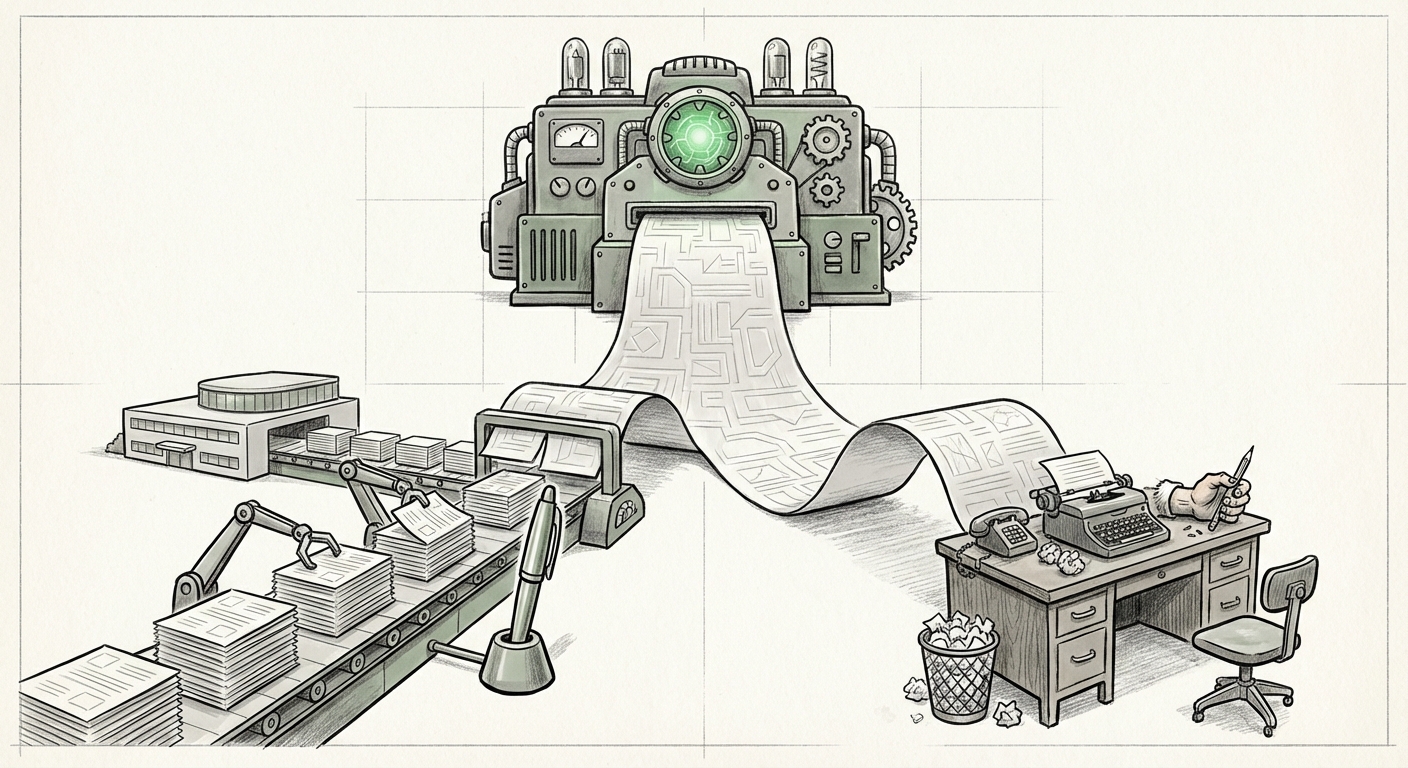
OpenAI has acquired Rockset. On the surface, this sounds like a business deal between an AI company and a data company. But the move says a lot about where generative AI is going next. The next wave of AI will not be won only by building bigger models. It will be won by connecting those models to the right data, at the right time, with the right controls. That is the real message behind the Rockset acquisition.
For businesses, the lesson is simple: AI is becoming less of a standalone product and more of a layer inside everyday work. That layer needs live data to be useful. For society, the deal is a reminder that access to high-quality data will shape who benefits from AI, and who does not.
The Big Shift: From Model Race to Data Race
Much of the public talk about AI has focused on models. How smart are they? How fast? How well do they write, code, or answer questions? That focus made sense. Models are the engine of generative AI. But engines need fuel. In AI, the fuel is data.
A model trained on old information can sound confident and still be wrong. It may not know that a price changed, a product sold out, a customer cancelled, or a rule was updated. For general chat, that may be fine. For real work, it can be a serious problem.
The Rockset acquisition points to a shift. AI companies are no longer just competing on model quality. They are competing on how well their systems can reach, read, and use data from the real world. That means faster data pipelines, better search over business information, and stronger controls over who can see what.
In short, the AI race is becoming a data race. The companies that win will be the ones that can turn messy, fast-changing information into useful answers, safely and at scale.
Why Real-Time Data Matters for Generative AI
Most generative AI systems rely on training data that is fixed at some point in time. That data can be months or years old. It is useful for general knowledge, but it is not enough for many business tasks.
Think about a customer support assistant. If a customer asks, “Where is my order?” the assistant needs the latest shipping status. If it gives an answer from last week, the customer gets frustrated. Think about a sales team. If an AI tool recommends a product that is out of stock, the team loses trust. Think about a finance team. If an AI system misses a recent transaction, the numbers are wrong.
This is why real-time data access is becoming a must-have. AI systems need to look up fresh information, combine it with what the model already knows, and give an answer that fits the current moment. This approach is often called retrieval-augmented generation, or RAG. The name is technical, but the idea is simple: let the AI check the facts before it speaks.
The Rockset deal signals that OpenAI sees this data layer as a key part of the future. A smart model alone is not enough. The model needs a way to reach live business data quickly and reliably.
What the Deal Says About the Future of AI
1. AI systems will be built in layers. The future is not just a model in a box. It is a stack: a model, a data layer, tools, security, and user experience. Each layer matters. The Rockset acquisition is a bet that the data layer will be a major place to compete.
2. Expect more AI companies to buy or build data infrastructure. If data access is the bottleneck, AI companies will need to own more of that path. They may buy data companies, build their own tools, or form close partnerships. The goal is the same: make AI systems faster and more reliable when they use real business information.
3. AI assistants will become more connected. Tomorrow’s AI will not just answer questions from memory. It will look up live data, take actions, and check results. That could mean an assistant that updates a support ticket, checks inventory, or flags a risky transaction. All of that requires fast, secure access to business systems.
4. Data quality will decide AI quality. A model can only be as good as the data it can reach. If the data is incomplete, outdated, or poorly organized, the AI will give weak answers. Companies that invest in clean, well-labeled, well-governed data will get more from generative AI.
5. Trust will become a product feature. Users need to know when an AI answer is based on fresh data and when it is guessing. They need to know who can access what. They need clear rules for privacy and security. The Rockset deal puts data access in the spotlight, and that means trust and control will matter just as much as speed.
Practical Implications for Businesses
If you run a company, the lesson is clear: do not treat generative AI as a plug-in. Treat it as a new way of working with data. The businesses that get value will be the ones that can feed AI trustworthy, timely information without exposing it to the wrong people.
Here is what that means in practice:
- Map your data sources. Know where your important information lives, how often it changes, and who owns it. You cannot connect AI to data you do not understand.
- Pick one high-value use case. Start where fresh data changes the answer. Customer support, order tracking, inventory checks, and fraud alerts are common examples. Avoid broad “do everything” projects.
- Build access control early. AI systems can expose data if they are not carefully managed. Set rules for who can ask what, and log how answers are produced.
- Measure accuracy and speed. Track how often the AI gives correct answers, how fast it responds, and how often it says “I don’t know.” Those numbers matter more than flashy demos.
- Keep humans in the loop. For high-stakes tasks, have a person review the AI’s work. The goal is to support people, not remove judgment.
- Plan for data portability. Avoid getting locked into one vendor’s data format. Keep your data organized so you can move it if needed.
- Train teams on data hygiene. AI works better when employees label, update, and clean data. Make that part of the job, not an afterthought.
What This Means for Society
Better AI can improve services. It can speed up support, reduce paperwork, help doctors find information, and make government services easier to use. But the Rockset deal also shows that data access is power. If only large companies can afford high-quality, real-time data pipelines, the benefits of AI may concentrate in fewer hands.
That raises important questions. Who owns the data that trains and feeds AI? How can people see and correct the information used about them? What rules should apply when AI systems use live data to make decisions? These are not just technical questions. They are social and political ones.
Policymakers and business leaders should think about transparency, data rights, and fair access. The goal should be AI that works well for many people, not just the biggest firms. That means open standards, clear rules, and support for smaller organizations that want to use AI responsibly.
Risks and Guardrails
Real-time data can be a strength and a risk. The fresher the data, the more damage if it leaks or is used wrongly. A system that can see live customer records must have strong access controls. A system that can act on live data must have clear limits.
AI systems also need to know when data is missing or stale. They should say “I don’t know” rather than guess. They should show their sources when possible. And they should be tested against real-world edge cases, not just clean demo data.
The Rockset acquisition will not solve these problems by itself. But it puts the data layer at the center of the conversation. That is a good thing. The more the industry talks about data quality, privacy, and control, the more likely it is to build AI systems that people can trust.
Actionable Insights
For leaders who want to move now, here are a few practical steps:
- Audit your data readiness. List the data sources that matter most to your business. Note how fresh they are and how easy they are to access.
- Choose a narrow first project. Pick one workflow where live data clearly improves the answer. Prove value before you scale.
- Set rules before you connect. Define who can ask what, what the AI can do, and how you will review answers.
- Track costs and latency. Real-time data can be powerful, but it can also be expensive. Measure both speed and spend.
- Build a data culture. Encourage teams to keep data clean and current. AI will only be as good as the data behind it.
Conclusion
OpenAI’s acquisition of Rockset is more than a company buying another company. It is a signpost. The future of generative AI will be built on strong data foundations. Models will matter, but data will decide who gets real value. Businesses that prepare now, by cleaning their data, choosing focused use cases, and building trust, will be ready for the next wave. Those that wait may find themselves with smart models that cannot see the business clearly.