Teaching Everyone to Fish for Tokens: Why Token Literacy Is the Next Big AI Skill
There is an old saying: give a person a fish, and you feed them for a day. Teach them to fish, and you feed them for a lifetime. Right now, the AI world is handing out fish by the millions. People are being given chatbots, assistants, and auto-writing tools and told to go be productive. What most of them are not being given is the skill to use those tools well. That skill has a name that is only now starting to catch on: token literacy.
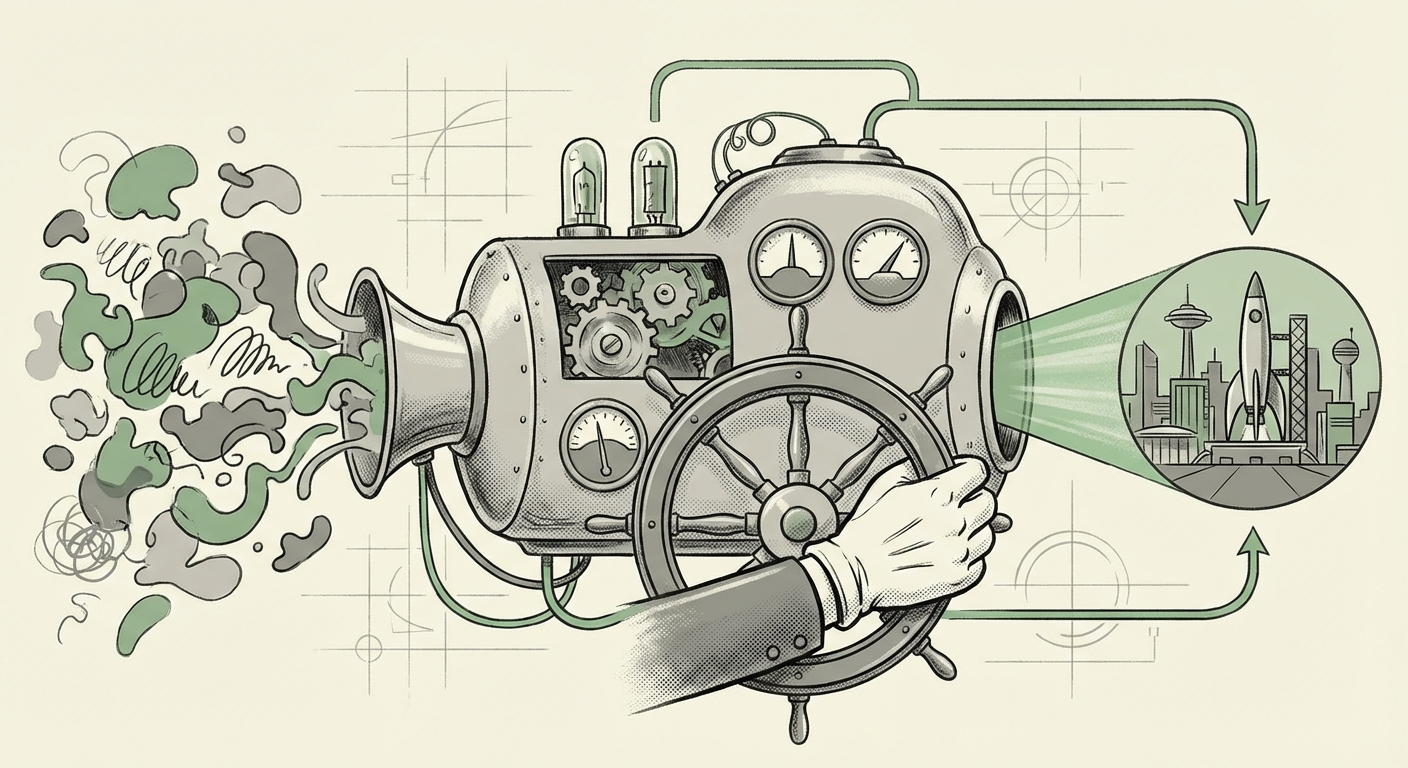
The idea behind teaching everyone to fish for tokens is simple. AI systems do not think in words. They think in tokens, small chunks of text that get counted, priced, processed, and turned into answers. Every prompt you send, every document you paste, every long chat thread you let run is measured in tokens. When people learn how tokens work, they stop being passive users of AI and start becoming skilled operators of it. That shift is going to shape the next few years of how AI gets used at work, in schools, and in everyday life.
What "Fishing for Tokens" Actually Means
A token is not a word, and it is not a letter. It is a piece of text, sometimes a whole short word, sometimes part of a longer one, sometimes a bit of punctuation or a space. When you type a question into an AI tool, the system chops your text into these pieces, counts them, and uses that count to decide how much work it is doing and how much to charge.
So "learning to fish for tokens" is a metaphor for three things at once:
- Knowing where tokens come from. Understanding that your words, files, images, and chat history all become tokens that cost something to process.
- Knowing how to spend them wisely. Writing prompts that are short but clear, instead of long and vague. Giving the model the right context instead of dumping everything in.
- Knowing how to get a good catch. Getting useful, accurate answers back without burning through time, money, or attention.
Most people today have never been taught any of this. They learn by trial and error, or they copy prompts from social media. That works for a while. But as AI tools spread into every job and every classroom, guessing stops being good enough.
Why Tokens Are Becoming the New Unit of Digital Work
Every major shift in computing has come with a new unit that people had to learn. In the early days of the web, the unit was the page view. Later, it was the megabyte and the gigabyte, then the cloud's compute hour. Now the unit is the token.
That matters because tokens sit at the meeting point of three things businesses care about: cost, speed, and quality. Send a huge pile of text to an AI system and you pay more, wait longer, and often get a muddier answer. Send a tight, well-framed request and you get the opposite. The difference between those two outcomes is not the model. It is the person holding the keyboard.
This is why token literacy is becoming a real job skill rather than a nerdy detail. It is the difference between a team that uses AI like a blunt hammer and a team that uses it like a precision tool.
From Prompt Tricks to Durable Skills
A lot of AI training today focuses on "prompt hacks", clever phrases you paste in to get a better answer. These are the fish. They work once, in one situation, and they spoil quickly as tools change.
Token literacy is the fishing rod. It teaches the underlying logic, so the skill keeps working even when the tools change underneath you. That means understanding a few core ideas:
1. Context is a budget, not a bucket
AI systems can only "see" so much text at once. That window is a budget. Fill it with noise and there is less room for the signal. Good users learn to trim, summarize, and prioritize what they feed in.
2. Output costs money too
Most people think only about what they type. But the answer the AI writes back also costs tokens. Asking for a tight summary instead of a three-page essay is a real budget decision, not a style preference.
3. Repetition is expensive
Long, rambling chat threads carry all their old history forward. Every new message drags the entire conversation with it. Knowing when to start fresh is a basic token skill that almost nobody teaches.
4. Structure beats volume
A clear request with a defined role, a defined task, and a defined output format usually outperforms a wall of text. This is the single biggest lever most users have, and it costs nothing to learn.
The Economics of Token Literacy
Here is the uncomfortable truth for organizations: most AI waste is invisible. It does not show up as a broken machine or a missed deadline. It shows up as hundreds of slightly-too-long prompts, duplicated questions, bloated chat histories, and answers nobody reads.
Add that up across a company and it becomes a real line item. The organizations that win with AI over the next few years will not simply be the ones with the biggest budgets. They will be the ones where ordinary employees know how to ask for what they need in a way that is cheap, fast, and accurate.
This also changes how we should think about AI training. Teaching people a list of features is low-value, because features change every few months. Teaching people how the system thinks about their words is high-value, because that mental model stays useful for years.
What This Means for Businesses
For leaders, the message is direct: stop treating AI adoption as a software purchase and start treating it as a literacy program.
- Train for judgment, not buttons. Employees should learn when AI is the right tool, when it is not, and how to frame a request so it produces something usable.
- Make cost visible. If people can see how much a request costs in tokens, they start making smarter choices on their own. Visibility drives behavior far better than rules.
- Build shared patterns. A small library of well-designed, reusable request templates beats a hundred scattered prompt screenshots.
- Reward efficiency, not volume. If the only thing you measure is how much AI people use, you will get more usage and less value.
There is also a hiring angle. A candidate who can break a messy business problem into a clean, well-scoped AI request is showing something real: clear thinking. That skill is now worth paying for.
What This Means for Society and Education
The bigger question is fairness. If token literacy becomes a professional skill, then the people who get taught it pull ahead, and the people who do not get left behind. That gap will not look like a technology gap. It will look like a training gap.
Schools have a real opportunity here. Teaching students how AI systems break language into pieces, how those pieces are counted, and how cost and quality follow from that is a practical lesson in both computing and critical thinking. It also builds healthy skepticism. Once you understand that an AI is predicting the next token rather than looking up a fact, you read its answers differently. You check them. You ask better follow-up questions.
That is the quiet benefit of token literacy: it turns users from believers into editors. A person who understands the machinery is harder to fool and easier to work with.
The Risks of Getting This Wrong
If token literacy stays a niche skill, a few predictable things happen. Companies overspend on AI without seeing returns. Workers grow frustrated with tools that seem to "not get it." Trust in AI swings wildly between hype and disappointment. And a small group of power users becomes a bottleneck, because everyone else has to route work through them.
There is also a security angle. People who do not understand what happens to the text they paste into an AI tool are more likely to share things they should not. Basic token awareness, knowing that your input leaves your machine and becomes part of a request, is a simple but important guardrail.
Practical Steps to Start Fishing Today
You do not need a course to begin. A few habits will get most people most of the way:
- Say what you want, then stop. Cut filler words and background that does not change the answer.
- Ask for the shape of the output. "Five bullet points," "one paragraph," "a table with two columns", this alone saves tokens and improves results.
- Feed only the relevant part. Paste the section that matters, not the whole document.
- Start a new chat when the topic changes. Old context is expensive and often distracting.
- Review before you reuse. A good request is an asset. Save it, refine it, share it with your team.
None of these require technical knowledge. They require a shift in mindset: from "I hope the AI understands me" to "I know how to make myself understood."
The Road Ahead
The phrase "teaching everyone to fish for tokens" captures something important about where AI is heading. The first wave of AI was about access, getting the tools into people's hands. The next wave is about fluency, helping people use those tools with skill, judgment, and confidence.
Access alone creates dependence. Fluency creates capability. The organizations, schools, and communities that invest in token literacy now will be the ones that turn AI from an expensive curiosity into a genuine everyday advantage. Everyone else will keep waiting for someone to hand them a fish.