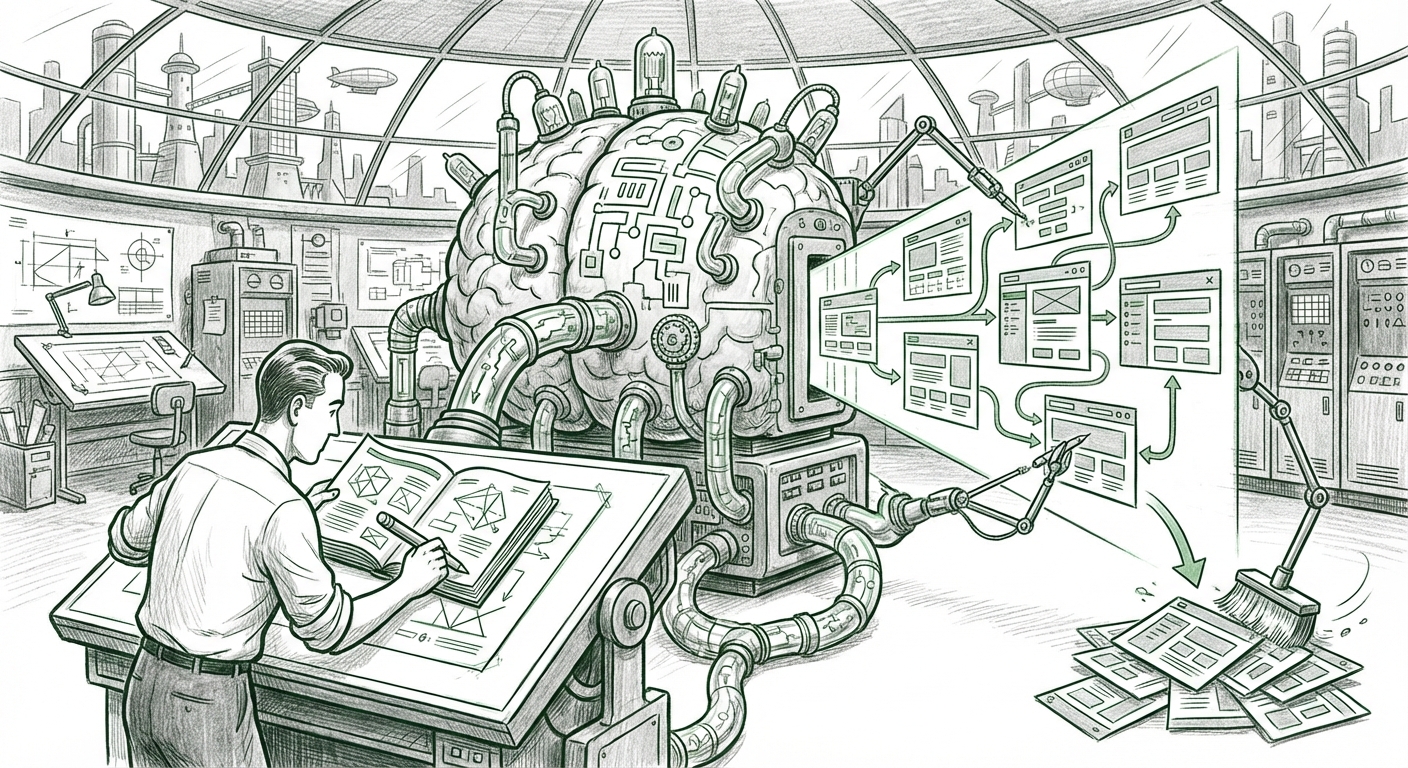
Apple Confirms iPhone Duo Problem: The AI Wake-Up Call Every Tech Leader Should Hear
Apple has confirmed a problem with its iPhone Duo. That single admission is more than a product update. It is a signal about how modern technology companies will handle quality, trust, and customer experience in an age where artificial intelligence is woven into every part of the business.
The iPhone Duo is not just another device. It represents the kind of complex product that pushes engineering, supply chains, and software teams to their limits. When Apple says there is a problem, the world pays attention. But the deeper story is not just about what went wrong. It is about how Apple, and every other company building smart products, will use AI to find issues faster, fix them smarter, and rebuild confidence with customers.
This article breaks down what the confirmation means for the future of AI, how businesses can learn from it, and what leaders should do next.
What Apple's Confirmation Really Signals
When a company like Apple confirms a product problem, it is making a choice. It could stay quiet, downplay the issue, or get ahead of it. By confirming the iPhone Duo problem, Apple is choosing transparency. That choice matters because customers now expect companies to communicate clearly and quickly.
But transparency is only the first step. The harder work is diagnosing the issue, understanding its scope, and fixing it without creating new problems. That is where AI becomes essential. Modern devices generate massive amounts of data, from sensors, error logs, customer support chats, and repair reports. No human team can read all of it. AI can spot patterns in minutes that would take months to find manually.
The iPhone Duo confirmation likely came after AI systems flagged unusual signals. Maybe warranty returns ticked up in a specific region. Maybe software logs showed a recurring error. Maybe customer support transcripts revealed a pattern of complaints. Whatever the exact path, the confirmation shows that AI-powered monitoring is now part of how major tech companies detect problems.
The Hidden Role of AI in Finding and Fixing Product Problems
Most people think of AI as a feature, a voice assistant, a photo tool, or a chatbot. But some of the most valuable AI work happens behind the scenes. It is the quiet engine that keeps products reliable.
1. Anomaly detection at scale
AI models can watch millions of devices at once. They learn what normal behavior looks like and flag anything unusual. If a small batch of iPhone Duo units starts behaving differently, AI can catch it early. That early warning gives engineers time to investigate before the problem spreads.
2. Predictive quality and supply chain insight
AI can connect data from factories, suppliers, and repair centers. It can predict which components are more likely to fail and which production runs need extra checks. For a complex product like the iPhone Duo, this kind of predictive quality control is not a luxury. It is a necessity.
3. Customer support triage
When problems happen, support teams get flooded. AI can read incoming messages, group similar issues, and route the most urgent cases to the right experts. It can also suggest fixes to customers instantly. That reduces frustration and frees human agents to handle the hardest cases.
4. Software fix prioritization
Not every problem is hardware. Some issues can be solved with a software update. AI can analyze crash reports and user feedback to decide which fixes will help the most people fastest. That helps Apple ship the right patch sooner.
These AI systems are not perfect. They need good data, careful tuning, and human oversight. But they give companies a powerful advantage: the ability to see problems sooner and act with more precision.
How AI Will Shape Apple's Next Steps
So what will Apple do next? The company has not shared a detailed plan, but the playbook for responding to a confirmed product problem is becoming clear. AI will sit at the center of it.
Listen at scale
Apple will need to understand exactly what customers are experiencing. AI can analyze support calls, social media posts, app reviews, and repair data in real time. This gives a live picture of the problem instead of a delayed report.
Fix with precision
Once the problem is understood, Apple can use AI to model different fixes. If the issue is software, AI can help test patches across thousands of simulated device configurations. If the issue is hardware, AI can help identify which production batches are affected and which suppliers need attention.
Communicate clearly
Trust is fragile. AI can help draft clear, consistent messages for customers, support agents, and partners. It can also help personalize communication so people get the information most relevant to them.
Prevent the next problem
The best response to a problem is to make sure it does not happen again. AI can feed lessons from the iPhone Duo issue back into design, testing, and manufacturing. That creates a learning loop that makes future products more reliable.
The Bigger Trend: AI as the Trust Layer for Hardware
The iPhone Duo problem is a window into a larger shift. Hardware is getting more complex. Devices fold, bend, connect, and sense in new ways. At the same time, customers expect flawless experiences. That gap is where AI becomes a trust layer.
AI helps companies keep promises. It monitors quality, predicts failures, speeds up fixes, and improves communication. It also enables new kinds of customer care. For example, on-device AI can help a phone diagnose its own issues and guide the user through a fix without sending data to the cloud. That is faster and more private.
This trust layer will become a competitive advantage. Companies that use AI well will recover from problems faster and keep more customers. Companies that do not will struggle to keep up.
Practical Implications for Businesses
You do not need to build a smartphone to learn from this. Every business can apply the same lessons.
Build a data feedback loop
Make sure customer support, product usage, and quality data flow into one place. AI is only as good as the data it learns from. If your data is scattered, your AI will be blind.
Invest in early warning systems
Do not wait for complaints to pile up. Use AI to watch for unusual patterns in returns, support tickets, and product logs. Early detection saves money and protects reputation.
Prepare an AI-assisted response plan
When a problem happens, you need to move fast. Have a plan for how AI will help you analyze the issue, communicate with customers, and prioritize fixes. Practice it before you need it.
Keep humans in the loop
AI can suggest, but humans should decide. Especially in a crisis, judgment and empathy matter. Use AI to inform people, not replace them.
Be transparent
Customers reward honesty. If there is a problem, say so clearly and explain what you are doing about it. AI can help you communicate at scale, but the commitment to transparency must come from leadership.
Actionable Insights for Leaders
- Audit your AI readiness. Can you detect a product problem in hours instead of weeks? If not, identify the gaps in your data and tools.
- Connect support and engineering. AI works best when customer feedback reaches the people who can fix the root cause.
- Use AI to simulate fixes. Before you ship a patch or a repair plan, test it across many scenarios with AI models.
- Train your teams on AI-assisted crisis response. Make sure support agents, engineers, and communicators know how to use AI tools under pressure.
- Measure trust, not just satisfaction. Track how quickly you resolve issues and how confident customers feel afterward. Those are the metrics that matter in a crisis.
What Comes Next for Apple and the Industry
Apple has confirmed the iPhone Duo problem. The next move is likely to be a focused effort to diagnose, fix, and reassure. AI will not be the headline, but it will be the engine behind the response. It will help Apple find the affected devices, understand the root cause, ship the right fix, and communicate clearly.
The industry will be watching. How Apple handles this moment will set an example for every company building complex, connected products. The lesson is simple: AI is not just for building new features. It is for protecting the trust customers place in you.
For business leaders, the takeaway is urgent. The tools to detect and respond to problems faster already exist. The companies that adopt them will be more resilient. The ones that wait will learn the hard way.
Conclusion
Apple's confirmation of an iPhone Duo problem is a reminder that even the best companies face challenges. What sets them apart is how they respond. In the age of AI, response is faster, smarter, and more data-driven than ever before. AI helps companies see problems sooner, fix them with precision, and communicate with honesty.
The future of AI is not just about smarter assistants or better cameras. It is about building products people can trust. The iPhone Duo moment shows why that matters, and why every business should be preparing now.