Discord Public Messages May Soon Be Google-Searchable: What It Means for AI, Privacy, and Business
Discord is known for private group chats and fan communities. Soon, messages from public Discord servers may show up in Google search results. Users will be able to opt out. That sounds simple. It is not. It changes who can read public conversations, how AI systems learn from them, and what “public” means online.
What Is Actually Changing?
Discord has public servers. Anyone can join some of them. Until now, those messages mostly stayed inside Discord. Under the new plan, search engines like Google could index messages from public servers. That means a conversation about a game bug, a software error, or a product question could appear in search results. Users can opt out, so not every message will be indexed. The word “may” matters: this is a plan in motion, not a finished product. But the direction is clear. Public chat is moving closer to the open web.
The opt-out is important. It puts a control in users’ hands. But it also puts the burden on them. If indexing is on by default for eligible public spaces, many people will never change the setting. That is how defaults work. The result could be a large new body of searchable human conversation.
Why Google and AI Systems Want This Data
Search engines run on fresh information. AI systems run on data. Public Discord servers are full of both. They contain real questions and real answers. They have troubleshooting threads, game strategies, coding help, and product feedback. This is the kind of messy, human knowledge that is hard to find on polished websites. It is also the kind of data that makes AI answers feel more current and more specific.
AI search tools do not just return links. They read pages and summarize them. If Discord messages become part of the search index, they can become part of those summaries. In the future, an AI assistant might answer “Why does my game crash after the update?” by drawing on a Discord thread from a public server. That could be helpful. It could also be wrong. Public chats are not fact-checked. They are full of jokes, guesses, and outdated advice.
AI models also need diverse language. Discord chats include slang, shorthand, and community-specific terms. That can improve language models. But it can also spread harmful content if the data is not filtered. The quality of AI depends on the quality of its sources. More data is not always better data.
How AI Turns Chat Into Answers
AI search systems often use a method called retrieval-augmented generation, or RAG. They find relevant text, then use a model to write an answer. If Discord threads are in the index, they become part of that retrieval pool. That can make answers more specific for niche topics. It can also make hallucinations harder to spot because the source is a chat, not an official page. A confident AI answer built on a random Discord joke can sound just as smooth as one built on a manual.
The Privacy Problem With “Public”
People often treat public servers as semi-private. They may be open to join, but they feel like a room, not a billboard. A message written to 200 community members is not the same as a message written to the whole internet. Search changes that. It makes old messages easy to find, easy to copy, and easy to train on.
The opt-out helps, but it is not a full solution. It may not cover messages already indexed. It may not cover quotes or screenshots. It may not cover AI systems that scrape data without asking. And it may not protect people who do not know the setting exists. For AI, consent is becoming a central issue. Users are asking for control over how their words are used. Platforms are under pressure to provide it. Opt-out is one answer, but it is a weak one if the default is open.
There is also the problem of context. A message can be harmless in one thread and harmful in another. Search strips away context. AI summaries can strip away even more. A joke can become a fact. A temporary fix can become permanent advice. Public chat is not a knowledge base, even if it contains knowledge.
What Could Go Wrong
A user asks for help with a medical issue in a public server. The thread is indexed. An AI summary gives the wrong advice. A job seeker posts a resume in a public channel. It shows up in search years later. A company’s support bot logs a customer’s email. The log becomes public. These are not far-fetched. They are the natural result of mixing casual chat with permanent search. When AI reads the same data, it can repeat the mistake at scale.
The Opt-Out Debate: Default vs. Choice
An opt-in system would require users to choose search visibility. An opt-out system assumes visibility unless users say no. The difference is huge. Opt-out favors discovery and data collection. Opt-in favors privacy. Most platforms choose opt-out for growth. But AI has made data collection more sensitive. Users may push back. Regulators may ask whether a public server is really a public website. The answer is not clear. A public server is public, but it is also a community with its own norms.
What This Means for Businesses
Many businesses use Discord for customer support, product feedback, and community building. If public messages become searchable, those conversations become part of the company’s public footprint. That can be good for discovery. A helpful answer in a support server could bring in new customers. It can also be bad for control. Old answers may be wrong. Angry messages may rank in search. Competitors can study public chats for clues about your roadmap.
Companies need to treat public Discord channels like public web pages. That means auditing what is public, training moderators, and setting clear rules. It means deciding which channels should be indexed and which should stay private. It means using the opt-out where it makes sense. It also means monitoring search results for brand names, product names, and common issues. If customers are finding old Discord threads, the company should know.
There are legal and compliance angles too. Regulated industries cannot let certain information become public. Employee messages in a public server could leak internal details. Customer messages could include personal data. Businesses should review data retention and moderation policies. They should tell members what is public and what is not. They should not assume that a “public” server is safe for private talk.
Opportunities for AI Builders
For AI builders, Discord data can improve niche assistants. A gaming company could build a support bot that learns from its public server. A software team could use its community threads to train a coding assistant. But they need permission and quality control. The best use is not to scrape everything. It is to curate trusted channels, get consent, and label sources. AI that cites a real community answer can build trust. AI that hides where it learned can destroy it.
Action Steps for Users and Server Owners
If you run a public server, start with an audit. Look at old messages. Find sensitive information. Remove what you can. Set channel permissions so that private topics stay private. Tell your members about the change. Explain how to opt out. Make it easy to find the setting. If you use bots, check whether they store or republish messages. Assume that anything public may be read by search engines, AI companies, and bad actors.
If you are a user, review your old messages. Remove personal details. Think before you post in a public server. Use the opt-out if you want to keep your messages out of search. But do not rely on it alone. Screenshots and quotes can travel. The safest rule is simple: if you would not put it on a public website, do not put it in a public server.
For businesses, add Discord to your data governance plan. Include public servers in your social media policy. Train support teams. Set rules for what can be shared. Monitor brand mentions in search. Prepare for AI tools that summarize your community. A public server can be an asset or a liability. The difference is management.
The Bigger AI Trend: Community Data Becomes AI Fuel
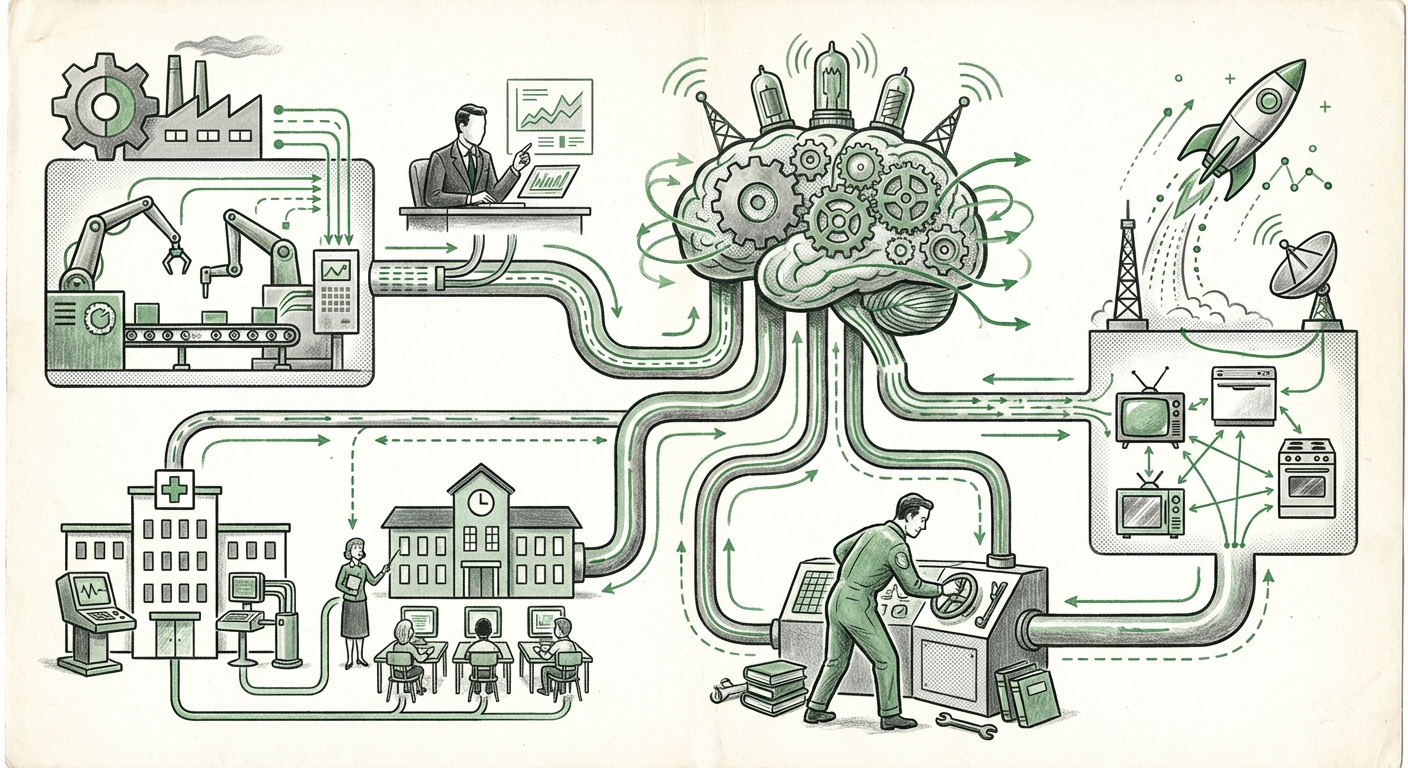
This change fits a larger pattern. AI systems are moving from static web pages to live conversations. They are learning from forums, chat apps, and social platforms. They are being built into search, customer support, and productivity tools. The companies that control the data will have an advantage. The communities that create the data will have new risks.
In the future, AI agents may join public servers to answer questions. They may read old threads to solve new problems. They may summarize long discussions. That could make communities more useful. It could also make them less human. If every answer is generated, the value of a real conversation may drop. If every message is searchable, the freedom to speak casually may drop too.
The opt-out is a small control in a big shift. It shows that platforms know users are worried. It also shows that public data is becoming more valuable. The next step should be better controls. Users need clear notices. Server owners need per-channel settings. AI companies need to respect consent signals. Regulators may get involved. The debate over who owns public conversation is just beginning.
What to Watch Next
Watch how the opt-out works in practice. Is it easy to find? Does it cover old messages? Does it apply to AI training or only search? Watch how Google labels Discord results. Watch whether Discord gives server owners tools to manage indexing. Watch how AI companies respond. If public Discord data becomes a major source, expect more rules and more pushback.
The most important thing to watch is user behavior. Most people do not change default settings. If the default is open, the web will get a lot more chat data. If the default is closed, the change will be smaller. The default is the real policy. Everything else is detail.
Discord’s move is a test case for the AI age. It asks a simple question: when a conversation is public, should it be searchable forever? The answer is not obvious. Search can help people find answers. AI can make those answers easier to use. But public does not mean fair. People need control, context, and choice. The opt-out is a start. It is not the end. Businesses and users should act now, before the default decides for them.