Tech Rally Stalls as Alphabet and Samsung Disappoint: What It Means for AI's Future and Everyday Use
On October 29, 2026, the tech rally stalled after disappointing updates from Alphabet and Samsung. The two names sit at different ends of the tech world. Alphabet is a software and internet giant. Samsung is a hardware and devices giant. When both disappoint at the same time, the market pays attention.
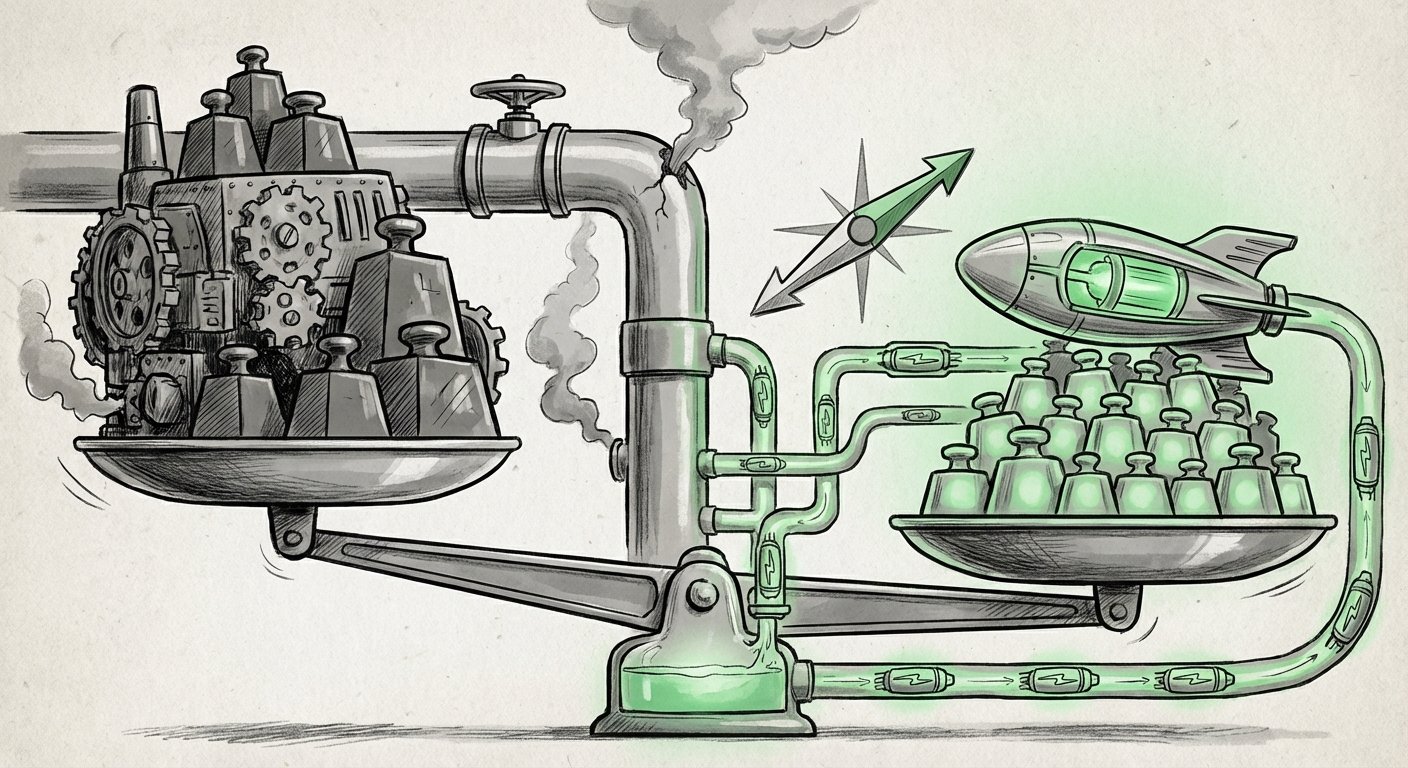
The easy story is that investors had a bad day. The deeper story is more important for anyone who uses, builds, or buys AI. The market is moving from AI excitement to AI proof. The next phase of artificial intelligence will not be won by the loudest promises. It will be won by products and services that save time, cut costs, and solve real problems.
That shift is good news for the future of AI, even if it feels uncomfortable for tech stocks. A rally that stalls can reset expectations. A reset can force better products. Better products can lead to wider use. The question is no longer “Can AI do something impressive?” The question is “Will people pay for it, use it every day, and trust it?”
A Pause That Says More Than a Selloff
The headline is simple: a tech rally stalled as Alphabet and Samsung disappointed. The exact cause of each disappointment matters less than the pattern. Investors have spent years pricing in a future where AI changes everything. That future may still arrive. But the market now wants evidence along the way.
This is a normal maturing step for a big technology wave. Early on, the story is enough. A company says it is using AI, and the stock reacts. Later, the story must become a business. Customers must renew. Usage must grow. Costs must come down. Margins must hold. When a giant like Alphabet or Samsung stumbles, the market asks whether the AI boom is as smooth as it looked.
The answer is probably no. Big technology shifts are rarely smooth. They move in waves. There are bursts of spending, then pauses while businesses digest the change. There are exciting demos, then hard work to make those demos reliable. The stall does not mean AI is fading. It means AI is entering the part where execution matters.
The AI Trade Has a New Scorecard
For years, the AI scorecard was built on three things: model quality, big announcements, and spending plans. Those still matter. But a new scorecard is taking over. It has four questions:
- Where is the revenue? Which AI features do customers actually pay for?
- What does it cost to serve? Can the company deliver AI without hurting margins?
- When does the money come back? How long before AI spending pays off?
- Will customers stay? Is the AI useful enough to become part of daily work?
These questions are harder to answer than “How smart is the model?” They are also more useful. They push companies away from hype and toward products. They reward firms that can turn AI into a reliable utility, not just a flashy demo.
This is where Alphabet and Samsung become useful signals. Alphabet represents the software and cloud side of AI. Samsung represents the hardware and device side. If both disappoint, it suggests the AI wave is not lifting every part of the market at the same speed. Demand may be uneven. Customers may be cautious. The upgrade cycle may be slower than hoped. Those are warnings for the whole industry.
Why Two Giants Matter More Than One
When one company disappoints, it can be a company-specific problem. When two giants disappoint on the same day, it can be a market signal. Alphabet and Samsung sit in different parts of the AI value chain. One leans on software, search, ads, cloud, and AI services. The other leans on devices, components, and hardware. A pause across both sides suggests the market is questioning the whole chain.
That does not mean the AI story is broken. It means the story is becoming more selective. Investors are no longer treating every AI mention as a win. They are separating companies that can monetize AI from companies that can only talk about it. They are asking whether AI features drive device upgrades, whether cloud customers expand usage, and whether AI tools improve profits.
For the future of AI, this is healthy. A market that rewards only real value will push companies to build real value. The next winners will be the ones that make AI cheap enough, fast enough, and reliable enough to use every day. That is a harder goal than building a clever demo. It is also the goal that matters.
The Future of AI Is Boring, and That’s Good
The most important AI products of the next few years may not feel like science fiction. They may feel like good software. They will sit inside tools people already use. They will finish drafts, sort invoices, answer routine questions, check quality, schedule work, and summarize meetings. They will be useful in small ways, many times a day.
That is the real future of AI: embedded, measured, and useful. The winning companies will not just sell “AI.” They will sell outcomes. A faster support team. A shorter sales cycle. A safer factory. A cheaper claims process. A more personal learning tool. A more reliable supply chain.
This shift will change how AI is used in three big ways:
1. From pilots to workflows
Many businesses have tested AI in small pilots. The next step is to put AI into core workflows. That means connecting it to data, rules, and human review. It means measuring what happens after the AI is turned on. Pilots are easy to start. Workflows are hard to change. The companies that do the hard work will get the gains.
2. From chat to action
AI is moving from answering questions to taking steps. It can draft a response, update a record, route a case, or flag a risk. This is often called agentic AI. It is powerful, but it needs guardrails. Businesses will use AI agents for narrow tasks with clear rules. They will keep humans in the loop for high-risk decisions. The future is not a free-roaming AI. It is a supervised AI that does specific jobs well.
3. From cloud-only to hybrid
Not all AI will run in a giant data center. Some will run on phones, laptops, cameras, and factory machines. This “edge” AI can be faster, cheaper, and more private. The mix of cloud and edge will shape the next wave of devices. It will also shape how companies design products. The smartest AI system may be the one that knows when to use the cloud and when to stay local.
How AI Will Actually Be Used
The practical uses are already becoming clear. In customer service, AI can handle routine questions and hand off hard cases to people. In software, AI can write test code, find bugs, and explain old code. In finance, it can read documents and flag errors. In manufacturing, it can spot defects and predict maintenance. In retail, it can forecast demand and personalize offers. In health care, it can help with scheduling, notes, and image review. In education, it can give students practice and feedback.
None of these uses require a perfect AI. They require an AI that is good enough, with checks. That is an important shift. The market is moving away from the idea that one giant model will solve everything. It is moving toward many smaller systems tuned for specific jobs. This is more practical. It is also more affordable.
For workers, this means AI will feel less like a replacement and more like a co-worker. It will take over repetitive tasks. It will make some jobs faster. It will create new jobs in data, safety, review, and AI operations. The biggest risk is not that AI takes every job. The biggest risk is that workers are not trained to use it well. Companies that invest in training will get more from their AI tools.
What Businesses Should Do Now
The stalled rally is a warning and a guide. It says: do not buy AI for the label. Buy it for the result. Here are practical steps for business leaders:
- Build a value ledger. Track the cost of AI against the time saved, errors reduced, and revenue gained. If you cannot measure it, do not scale it.
- Start narrow. Pick one workflow with clear rules and high volume. Fix it. Then move to the next one.
- Treat data as the moat. AI is only as good as the data and process behind it. Clean data and clear rules matter more than a famous model name.
- Negotiate for flexibility. AI prices and tools are changing fast. Ask for usage-based pricing and exit rights. Avoid long lock-ins.
- Keep humans in the loop. Use review steps for high-risk work. Build trust before you remove checks.
- Train the team. The best AI tool fails if people do not know how to use it. Invest in simple guides and hands-on practice.
- Avoid AI washing. Do not put “AI” on a product that is just automation. Customers and investors can tell the difference.
These steps are not glamorous. They are the work that turns AI from a cost into an advantage. The companies that do them will be ready when the next rally starts.
What to Watch Next
The next few quarters will show whether the stall was a pause or a turning point. Watch for clear signs of AI revenue, not just AI spending. Watch for customer usage that grows after the pilot ends. Watch for device upgrades that are driven by useful AI features, not marketing. Watch for cloud growth that comes from real workloads. Watch for costs that fall as systems scale.
Also watch the tone of the market. If investors punish hype and reward proof, the AI industry will become more disciplined. That is good for buyers. It means more tools will be sold on results. It means fewer empty promises. It means AI will spread because it works, not because it is fashionable.
Conclusion: The Rally Can Stall, but the Usefulness Cannot
The tech rally stalled as Alphabet and Samsung disappointed. That is a market event. It is not the end of AI. It is a signal that the AI story is growing up. The next chapter will be less about what AI can demo and more about what AI can do. It will be about cost, trust, speed, and real outcomes.
For businesses, the lesson is clear: build AI that solves a specific problem and prove the value. For workers, the lesson is to learn how to use AI as a tool. For society, the lesson is to demand transparency and safety as AI spreads. The future of AI will not be decided by a single rally or a single quarter. It will be decided by millions of daily uses. The companies that make those uses useful will win.